The State of Baku's Apartment Market
Published on 2026-08-06 · 4 min read
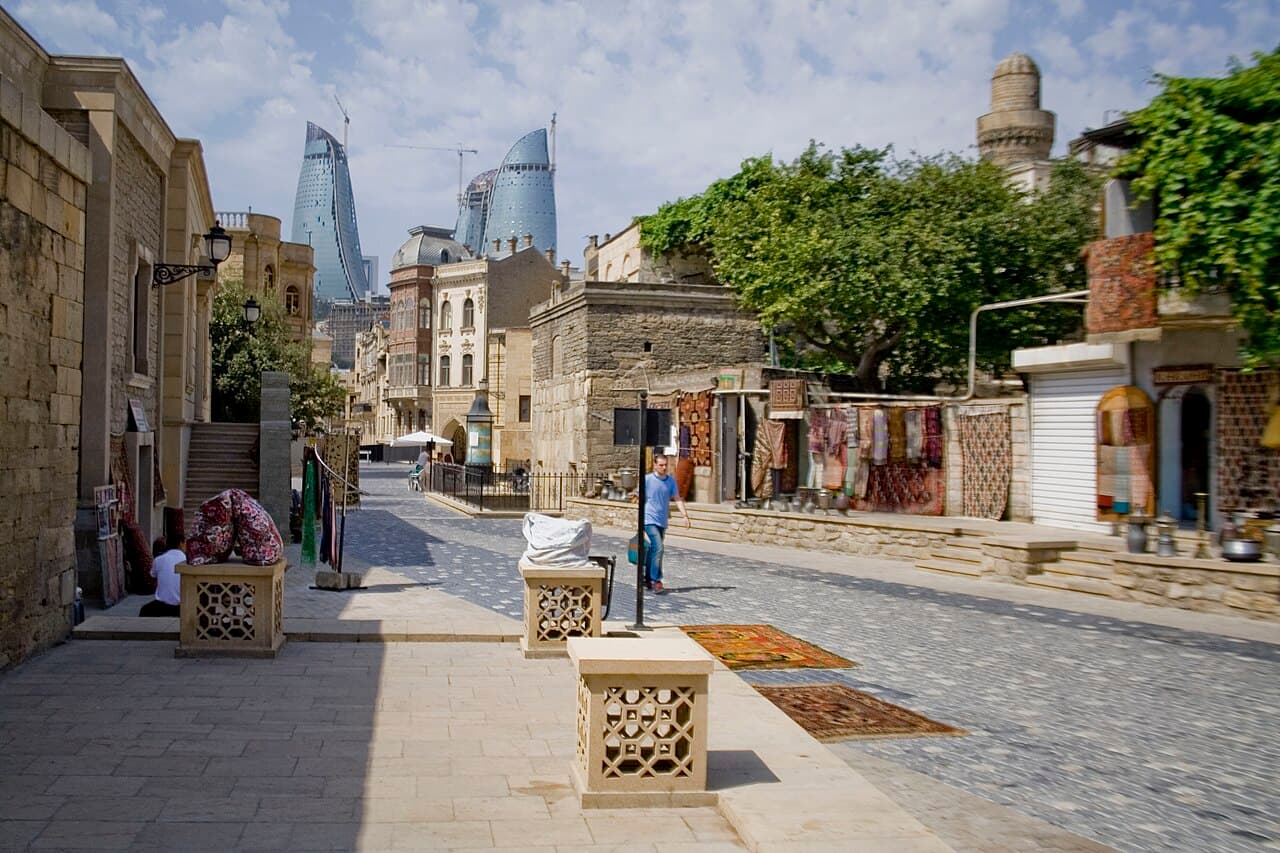
Baku's apartment market has changed shape considerably over the past couple of decades, moving from a market dominated by Soviet-era housing stock to one where new-build development plays an increasingly central role. Understanding where the market stands today means looking separately at supply, demand, buyer behavior, and how price tiers map onto geography.
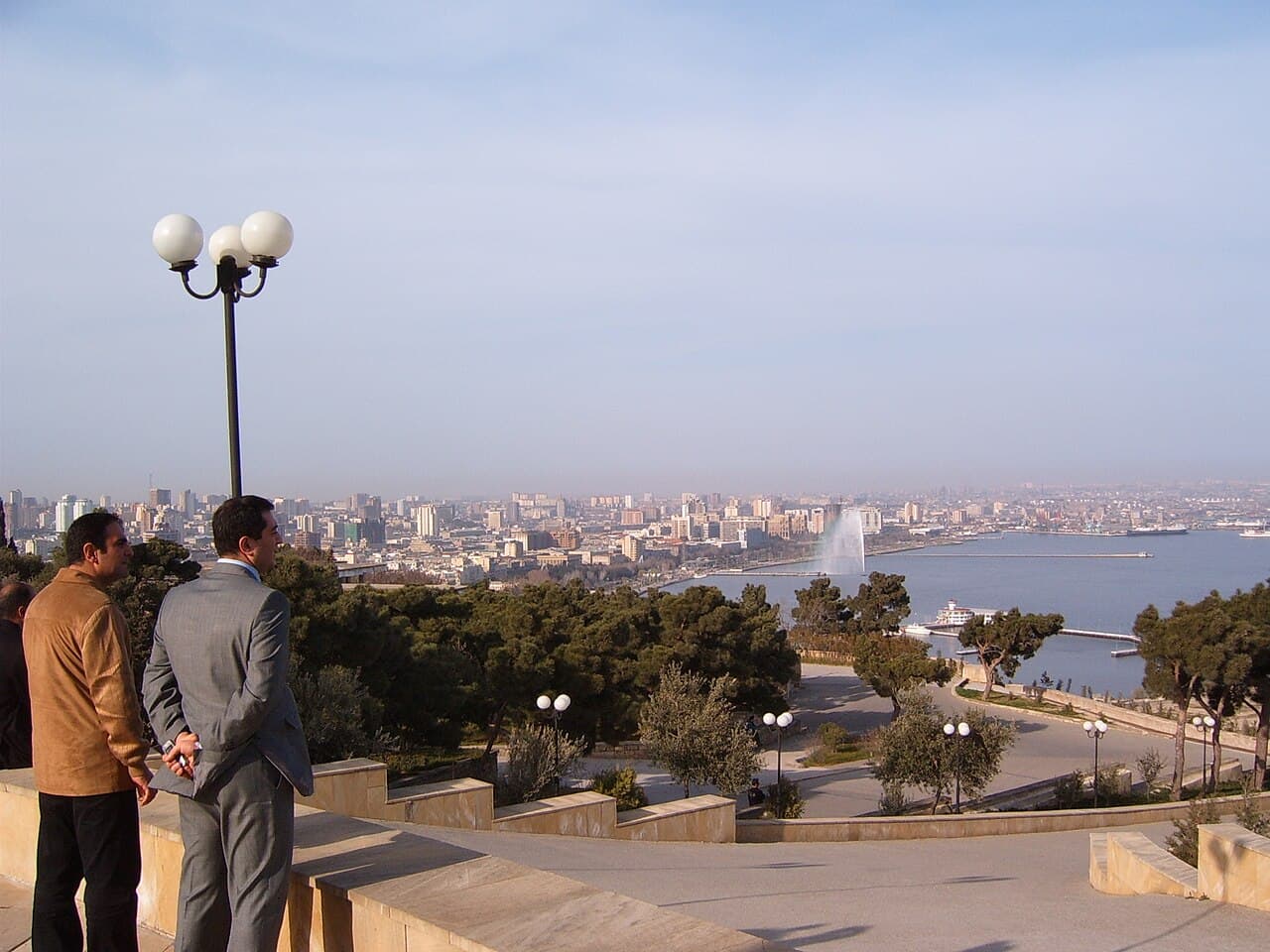
New-Build Supply vs. the Secondary Market
New residential construction has expanded noticeably in recent years, particularly in areas like White City (the redeveloped former industrial zone near the city center) and on the city's outer districts, where large-scale residential complexes have replaced older, lower-density housing. This new supply tends to offer modern layouts, elevators, underground parking, and building amenities that most of the older Soviet-era housing stock lacks.
The secondary market—largely made up of apartments in mid-20th-century and later Soviet-built blocks—remains substantial in volume, especially in central districts like Nasimi, Yasamal, and parts of Narimanov. These units are typically smaller and less standardized in condition, ranging from untouched original state to fully renovated ("Euro-repair" style) units that can command prices close to new-build levels. The gap between an unrenovated secondary apartment and a comparable new-build unit has generally been an important variable for buyers weighing renovation cost and effort against paying a premium for turnkey condition.
What's Driving Demand
Demand in the apartment segment comes from a mix of sources:
- Local end-users buying a primary residence, often trading up from an inherited or older family apartment into a newer, better-located unit.
- Domestic investors purchasing units to rent out, particularly in areas with strong tenant demand near business districts, universities, or transit corridors.
- The Azerbaijani diaspora, including people working abroad who buy a home in Baku for eventual return, for family members, or as a store of value.
- A smaller share of foreign buyers, generally concentrated in higher-end new-build projects, drawn by relatively low entry prices compared to other regional capitals.
Population growth within Baku itself, driven by continued internal migration from the regions toward the capital, has also been a structural demand driver for smaller and mid-sized units in outer districts.
The Typical Buyer Profile
There is no single typical buyer, but a few patterns are common. First-time local buyers tend to prioritize location relative to work and family, and are often price-sensitive, gravitating toward outer districts or the secondary market where entry costs are lower. Move-up buyers and small investors are more willing to pay for new-build quality and specific district reputation. Diaspora and foreign buyers, meanwhile, often prioritize simplicity of the purchase process and a finished, rentable, or livable-on-arrival product, which tends to steer them toward new developments with clearer legal documentation.
Price-Tier Segmentation Across Districts
Broadly, the apartment market can be thought of in three tiers, though the boundaries are approximate and shift with each project cycle:
Budget tier: Older secondary-market apartments in outer or less central districts, and some newer developments on the city's periphery, generally represent the most accessible entry point. This tier tends to attract first-time buyers and investors focused on rental yield over prestige.
Mid-market tier: A broad band covering renovated secondary apartments in central districts and mainstream new-build projects in areas like parts of Yasamal, Nizami, and other well-connected neighborhoods. This is typically where the largest share of transaction volume sits, serving both end-users and investors.
Luxury tier: Concentrated in White City, parts of the waterfront (Bulvar-adjacent developments), and select high-end towers, this segment targets buyers prioritizing views, building amenities, security, and address prestige. Pricing here can be substantially higher per square meter than the mid-market tier, and the buyer pool skews toward wealthier local families, diaspora buyers, and a modest number of foreign investors.
Reading the Market Going Forward
For anyone evaluating the apartment segment, it's worth watching how new-build supply in outer districts evolves relative to demand—continued heavy construction activity in a given area can eventually soften price growth there even if overall city demand stays firm. It's equally worth watching renovation trends in the secondary market, since a well-executed renovation can meaningfully close the value gap with new-build stock, and buyers focused purely on square-meter price without factoring in renovation condition risk comparing apples to oranges.
Bottom Line
Baku's apartment market today is really several sub-markets operating in parallel: an aging but still substantial secondary stock, a growing new-build sector concentrated in specific districts, and a luxury niche with its own dynamics largely disconnected from the mass market. Anyone assessing the market—whether to buy, rent, or invest—benefits from being specific about which of these sub-markets they're actually looking at, rather than treating "the Baku apartment market" as a single, uniform entity.
For a concrete price comparison across specific neighborhoods, see this article from Merkaz Hanechasim.
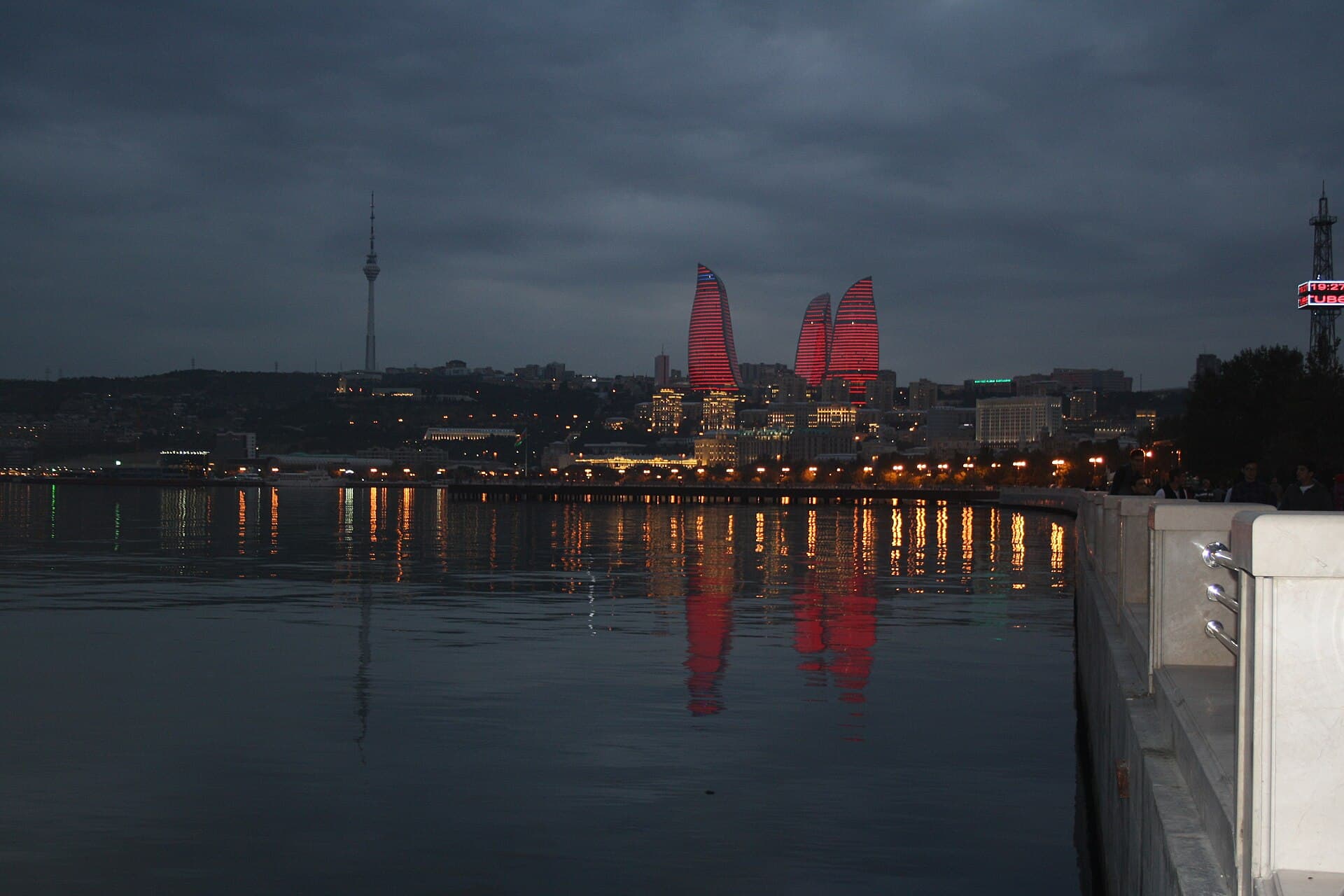 Real estate investing
The Israel-Azerbaijan-US Triangle in 2026
An AI memorandum, an American strategic charter and talks on a trilateral format. What is actually new here, what was already in place, and what it means for buyers
Read more →Real estate investingHow Dependent Is Azerbaijan's Economy on Oil, Really?
The non-oil sector reaches 75.8% of GDP in 2026, but that share is rising for two different reasons. The official figures, the IMF's view, and what it means for buyers
Read more →Real estate investingThe Armenia-Azerbaijan Peace Deal: Where It Stands
The agreement was initialed in August 2025 but remains unsigned. What was agreed, what is blocking signature, what the Armenian election changed, and what it means for owners
Read more →