State of Baku's Commercial Property Market
Published on 2026-08-07 · 3 min read
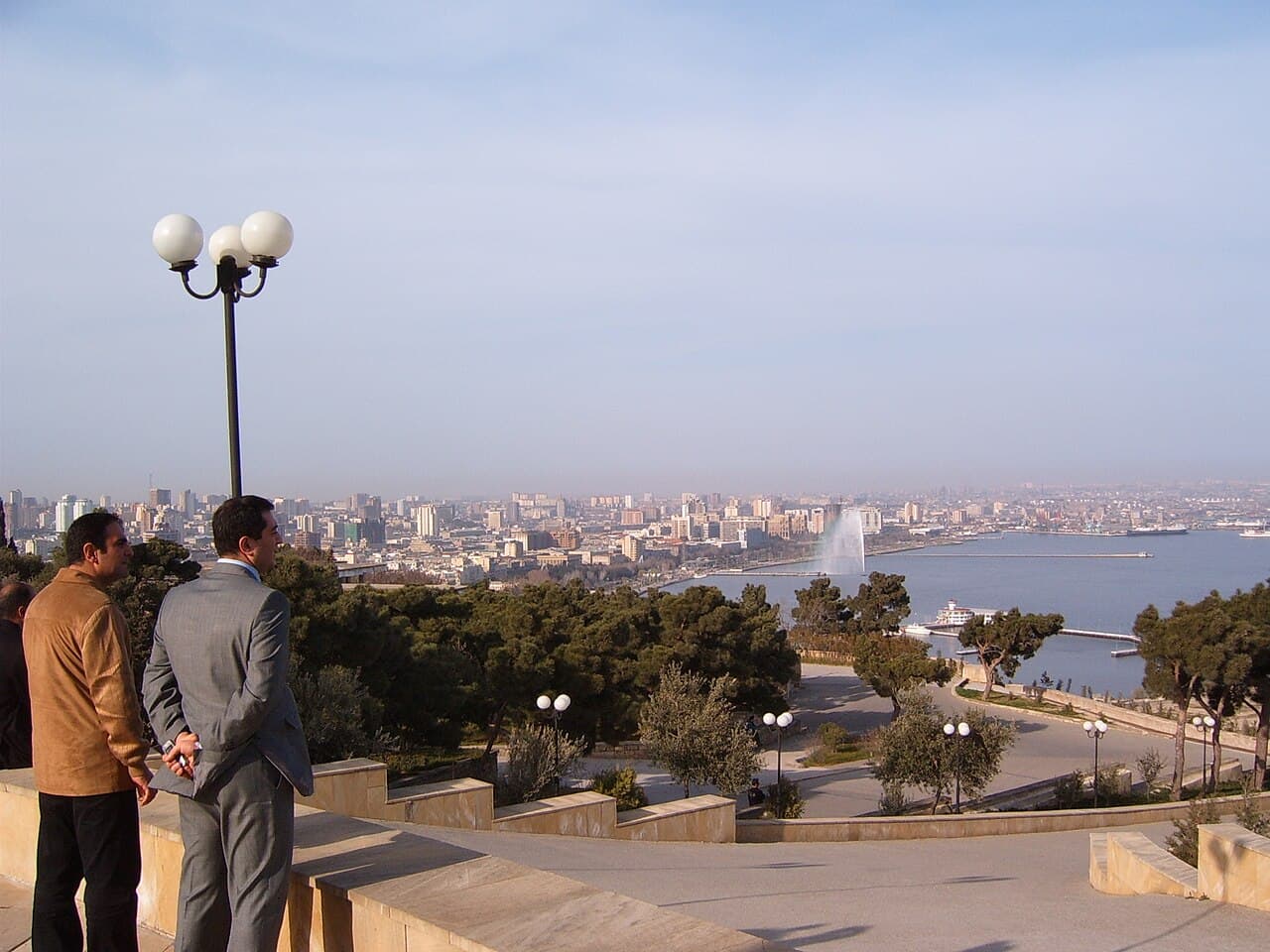
Baku's commercial property market operates on a different rhythm than its residential counterpart. While apartment buyers respond to short-term price movements and lifestyle preferences, commercial real estate — offices, retail space, and mixed-use developments — is shaped by longer investment horizons, institutional-style leasing, and a narrower pool of buyers and tenants. Understanding these differences is useful context for anyone assessing the segment.
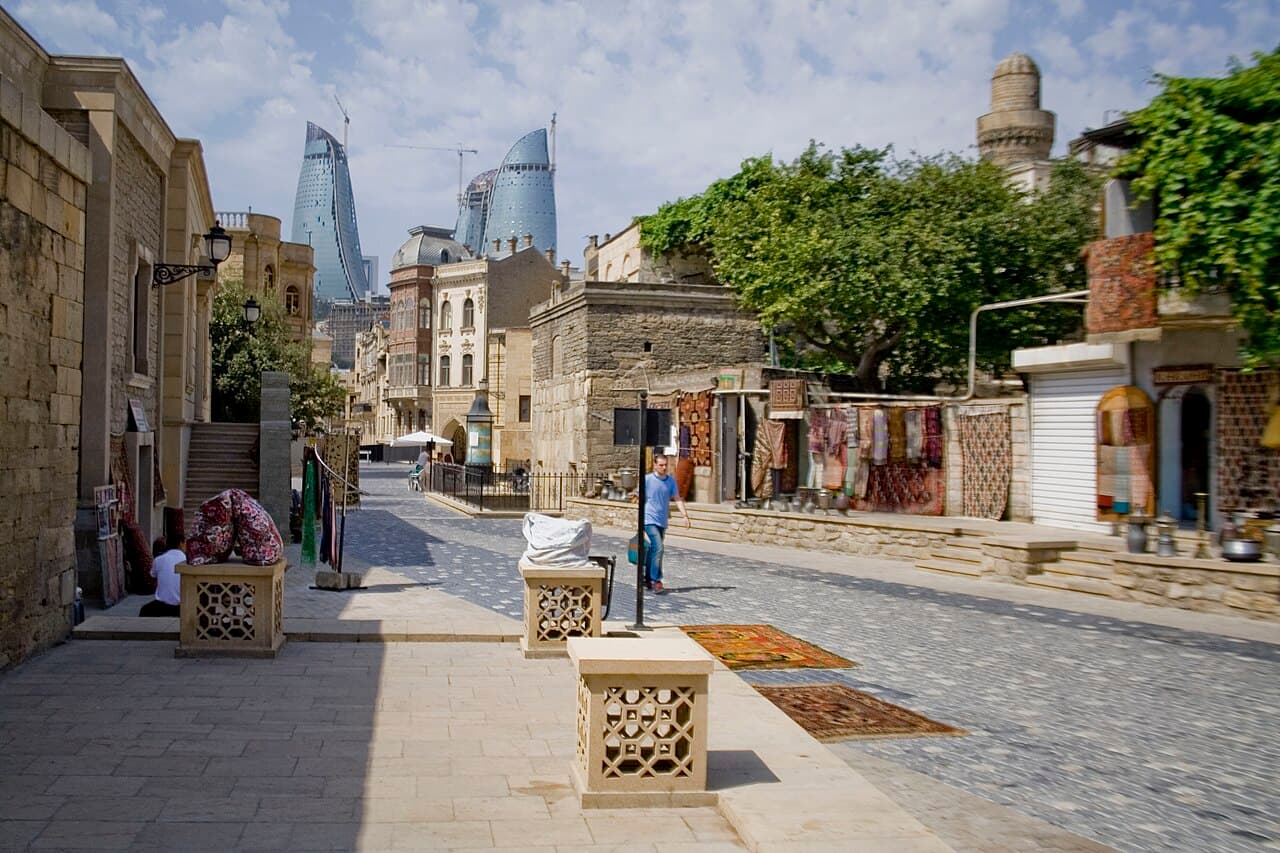
Office Space Demand
Demand for office space in Baku continues to concentrate around a handful of established business districts. Port Baku and the area around 28 May remain among the most sought-after locations, offering a combination of central positioning, modern building specifications, and proximity to banks, government offices, and transport links. These districts tend to attract multinational companies, energy-sector firms, and a growing number of technology and services businesses opening local offices.
Class A buildings in these core districts generally command higher occupancy and rental rates than older or more peripheral stock, though this varies with each building's age, management quality, and amenities. Outside the primary business districts, older office buildings and converted spaces serve smaller local firms and often see more price-sensitive demand. As with most emerging office markets, the gap between prime and secondary space in Baku tends to be significant, and this bifurcation is worth understanding before evaluating any specific opportunity.
Retail: Malls and High Street
Retail in Baku splits broadly into two categories: shopping malls and high-street storefronts. Malls such as Ganjlik Mall and Deniz Mall function as anchors for organized retail, drawing footfall through a mix of international and regional brands, entertainment offerings, and food courts. These properties tend to operate on longer, more structured lease agreements with anchor tenants, while smaller units are typically let at higher per-square-meter rates.
High-street retail, concentrated most visibly along Nizami Street and other central corridors, follows a different logic. Storefront visibility, foot traffic patterns, and proximity to tourist areas play an outsized role in determining rental value. Because high-street units are typically smaller and individually owned or leased, this segment can be more accessible to smaller investors than mall-based retail, though it also tends to carry more variability in tenant turnover.
How Commercial Differs From Residential
Several structural features distinguish commercial property from residential in Baku, as in most markets.
Lease terms are typically longer. While residential rentals are commonly renewed annually, commercial leases — particularly for office and anchor retail space — often run for several years, with built-in escalation clauses and, for some retail tenants, revenue-sharing arrangements layered on top of a base rent.
The buyer and tenant profile differs as well. Commercial buyers are more often companies, investment funds, or experienced private investors rather than owner-occupiers, and tenant creditworthiness becomes a more central part of underwriting a purchase than it would be for a residential unit.
Valuation approaches diverge too. Commercial property values are generally assessed relative to income potential — rental yield and lease terms — more than to comparable sales, which is the dominant approach in residential valuation.
Zoning and Regulatory Considerations
Commercial transactions in Baku involve zoning and permitted-use questions that rarely arise with residential purchases. A building or plot's designated use can constrain what type of commercial activity is permissible, and change-of-use processes can add time and cost to a project. Buyers considering redevelopment or repositioning of a commercial asset should factor in the possibility of a lengthier approvals process than a straightforward residential purchase would involve, and should budget accordingly for both time and legal fees.
Bottom Line
Baku's commercial property market rewards a different kind of diligence than the residential sector: understanding tenant quality, lease structure, and zoning constraints matters more here than tracking headline price trends. Office demand remains concentrated in a small number of established districts, while retail splits between structured mall leasing and more fragmented high-street ownership. For investors willing to engage with this added complexity, the segment offers exposure to a different set of demand drivers than the residential market, though it typically requires more specialized local expertise to navigate well.
 Real estate investing
The Israel-Azerbaijan-US Triangle in 2026
An AI memorandum, an American strategic charter and talks on a trilateral format. What is actually new here, what was already in place, and what it means for buyers
Read more →Real estate investingHow Dependent Is Azerbaijan's Economy on Oil, Really?
The non-oil sector reaches 75.8% of GDP in 2026, but that share is rising for two different reasons. The official figures, the IMF's view, and what it means for buyers
Read more →Real estate investingThe Armenia-Azerbaijan Peace Deal: Where It Stands
The agreement was initialed in August 2025 but remains unsigned. What was agreed, what is blocking signature, what the Armenian election changed, and what it means for owners
Read more →