The Baku Luxury Property Market: A 2026 Report
Published on 2026-08-09 · 4 min read
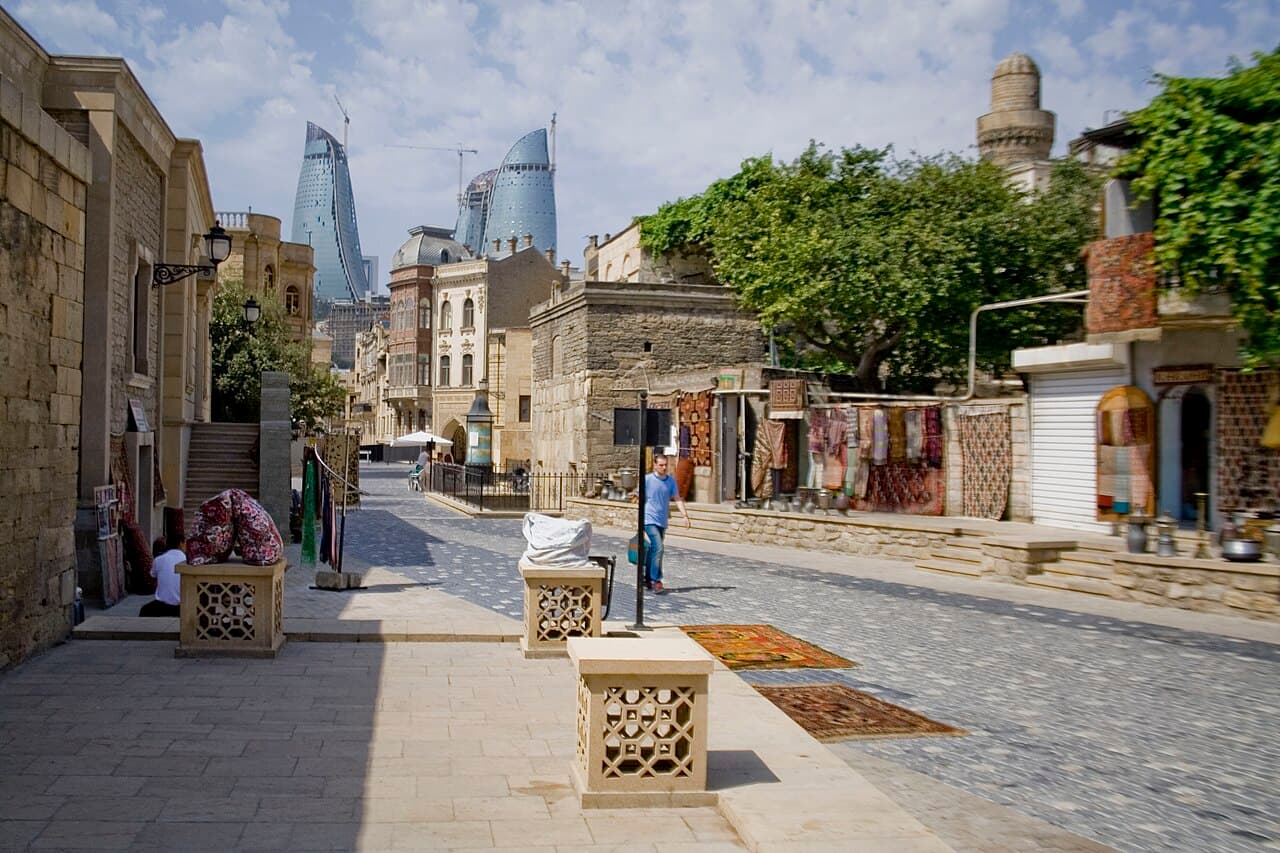
Baku's luxury property segment has grown into a distinct market of its own over the past decade, increasingly separate in pricing, buyer profile, and product design from the broader mid-market that most residents transact in. Understanding what actually defines "luxury" in this context is useful both for buyers considering the segment and for anyone trying to read the wider market through it.
What Defines "Luxury" in Baku
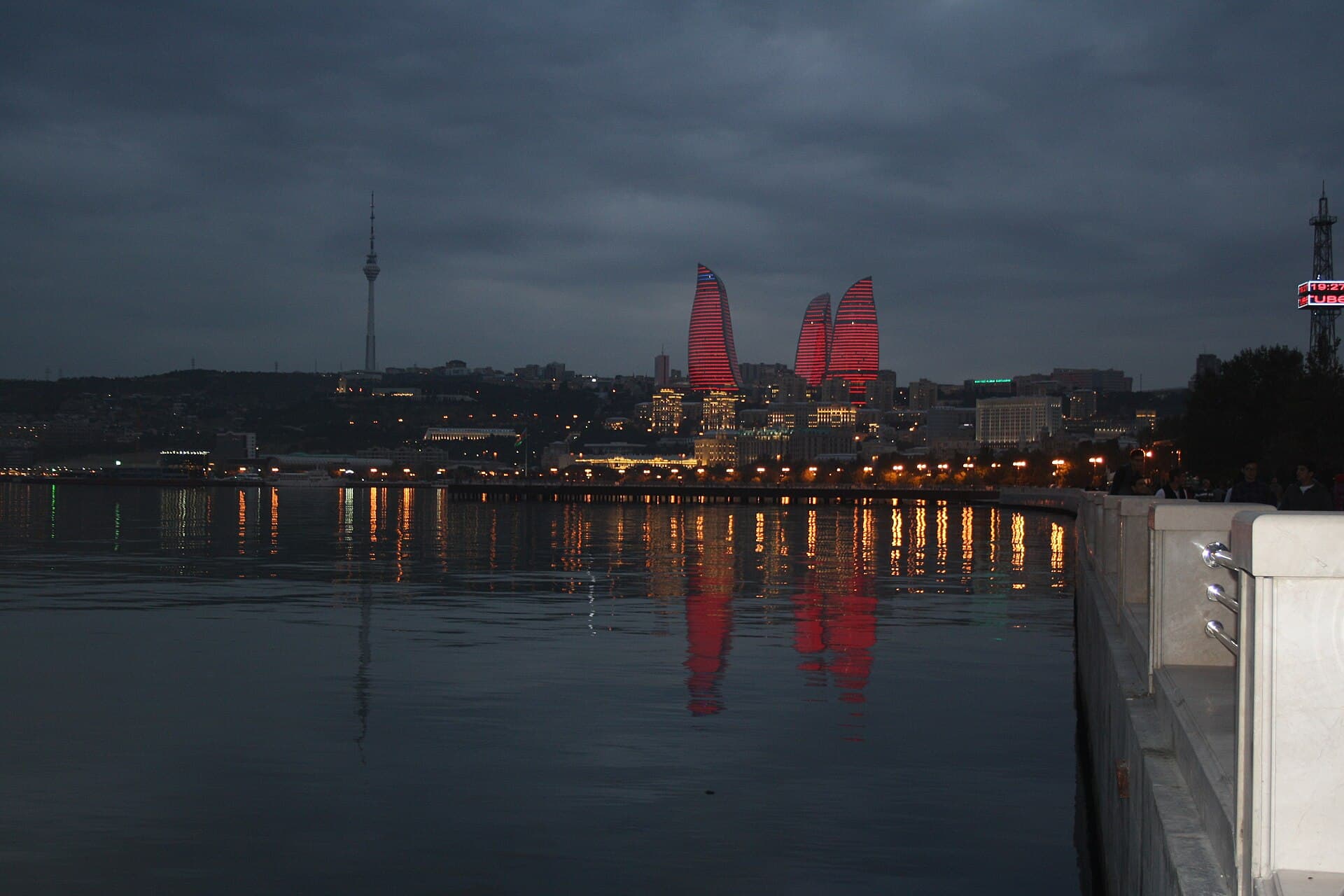
Unlike more mature markets where luxury is sometimes a loosely applied marketing label, in Baku the term tends to cluster around a fairly consistent set of factors. Location is the first and most decisive: proximity to the seafront boulevard, views over Baku Bay or the Flame Towers, and placement within prestige districts such as White City or Badamdar carry a significant premium over otherwise comparable inland stock. Sea view specifically functions almost as its own asset class — two units in the same building can differ substantially in price based on view alone. Finish quality and specification are the second marker: imported materials, higher ceiling heights, smart-home systems, and full designer finishing (as opposed to the "white box" shell-and-core delivery common in the mid-market) are treated as baseline expectations rather than upgrades. Amenities matter too — concierge service, private gyms and pools, secure underground parking, and building management modeled on hotel-style service are now expected features of top-tier developments. Finally, developer reputation and track record play an outsized role: buyers in this segment are often willing to pay a premium for a name with a history of delivering on time and to spec, given how much can vary between developers in a still-maturing construction market.
Branded Residences and Premium Developments
A meaningful share of activity in this segment now runs through large-scale waterfront and mixed-use projects — developments like White City and the broader Baku Marina district illustrate the trend, combining residential towers with hotel-style service, retail, and public realm investment, and positioning themselves explicitly as prestige addresses rather than simple housing stock. The area around the Flame Towers has followed a similar pattern, with panoramic-view apartments marketed specifically to a luxury buyer rather than a general residential audience. Internationally branded residential concepts — where a hospitality or luxury brand licenses its name and service standards to a residential tower — remain a smaller and more selective category in Baku than in markets like Dubai, but they represent the clearest expression of the "luxury" positioning: buyers are paying not just for the physical unit but for a managed lifestyle and a recognizable brand standard.
Typical Buyer Profile
The buyer base for this segment differs meaningfully from the broader market. Domestic buyers in this tier are typically established business owners or professionals for whom the purchase functions as both a residence and a visible marker of status. Foreign buyers are disproportionately represented here relative to their overall share of the market — Gulf and UAE buyers in particular tend to gravitate toward this segment, often applying a comparative lens shaped by markets like Dubai, alongside a steady presence of buyers from Russia, Turkey, and parts of Europe seeking a second home or a capital-preservation asset rather than a primary residence. Many purchases in this tier are made in cash or with a large equity component rather than relying heavily on local mortgage financing, and the purchase decision is often influenced as much by lifestyle and prestige considerations as by yield calculations.
How It Differs From the Mid-Market
The contrast with the broader mid-market is substantial. Mid-market housing in Baku is overwhelmingly driven by domestic demand, local mortgage financing, and price sensitivity tied to local incomes — the calculus is much closer to "affordable, functional housing" than to lifestyle positioning. Mid-market developments are typically delivered as a shell for buyer-led finishing, whereas luxury product is delivered finished and furnished. Liquidity dynamics differ too: luxury units can take longer to sell given a narrower buyer pool, even though headline prices per square meter are considerably higher, while mid-market stock tends to turn over more readily given the depth of local demand. Rental dynamics also diverge — mid-market rental yields in Baku are generally understood to run higher as a percentage of purchase price, while luxury units are more often bought with capital appreciation and prestige in mind than pure yield.
What This Means for Buyers
For a buyer specifically targeting Baku's luxury segment, the practical implications are to weight developer track record and delivery history heavily, to treat sea view and location as the primary value driver rather than square footage alone, and to go in with a longer investment horizon given comparatively thinner liquidity than the mid-market. For a buyer whose goal is straightforward rental yield or affordability, the luxury segment is generally not the right entry point — the mid-market remains where most of the depth, and the more favorable yield math, is found.
 Real estate investing
The Israel-Azerbaijan-US Triangle in 2026
An AI memorandum, an American strategic charter and talks on a trilateral format. What is actually new here, what was already in place, and what it means for buyers
Read more →Real estate investingHow Dependent Is Azerbaijan's Economy on Oil, Really?
The non-oil sector reaches 75.8% of GDP in 2026, but that share is rising for two different reasons. The official figures, the IMF's view, and what it means for buyers
Read more → Real estate investing
The Armenia-Azerbaijan Peace Deal: Where It Stands
The agreement was initialed in August 2025 but remains unsigned. What was agreed, what is blocking signature, what the Armenian election changed, and what it means for owners
Read more →