How to Track the Baku Real Estate Market Over Time
Published on 2026-08-05 · 4 min read
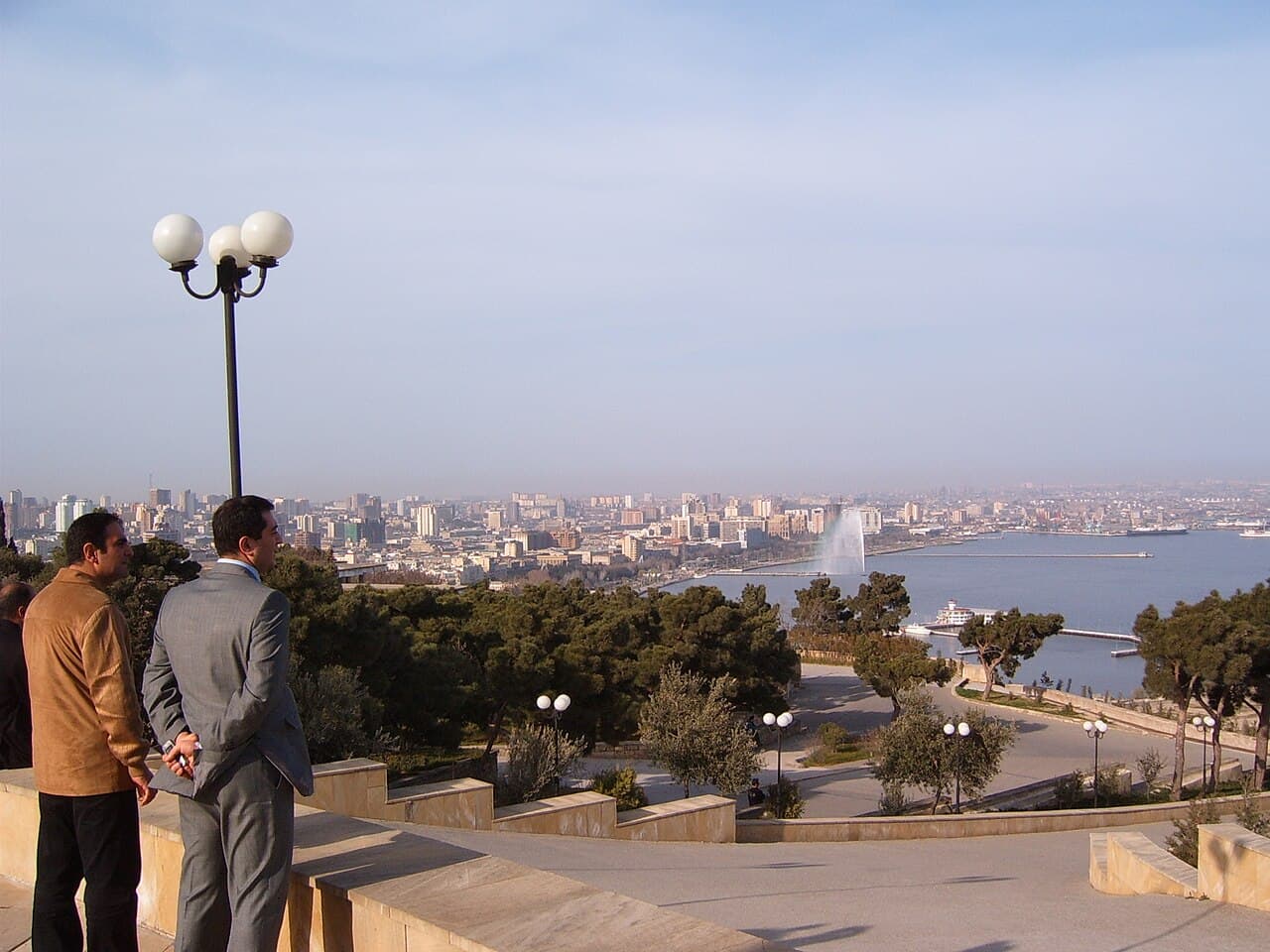
Anyone coming to Baku real estate from a mature Western market quickly runs into the same problem: the tools they're used to simply don't exist here, or exist in a much thinner form. There is no Zillow-style price index updated monthly, no standardized repeat-sales index, and no single authoritative registry of transaction prices that's freely searchable online. That doesn't mean the market is unknowable—it means the method of following it has to change.
Why Baku Isn't London or Berlin
In mature markets, price discovery is largely automated. Portals aggregate thousands of listings and actual sale prices, statistical offices publish quarterly indices, and analysts cross-reference multiple independent sources to sanity-check any single number. In Baku, most of what's publicly visible is asking prices on classifieds and agency sites, not confirmed closing prices. Asking prices can run well above what a property actually sells for, especially in a market where negotiation is the norm rather than the exception. So the first mental adjustment is: treat almost every published figure as a starting point for negotiation, not a settled fact.
What Data Sources Actually Exist
A few sources are worth knowing about, each with limitations:
- State Statistical Committee of Azerbaijan publishes periodic data on construction volumes, housing completions, and some price series, though the methodology and update frequency are less granular than in EU statistical offices.
- Major listing portals and agency networks operating in Baku give a reasonable sense of current asking prices and inventory by district, but should be read as a directional signal rather than a precise benchmark.
- Local brokerages and appraisers often have the best on-the-ground sense of what's actually closing, since they see real offers and counteroffers, but this knowledge is informal and rarely published.
- Notary and registry records exist but are not aggregated into an easily searchable public price database the way land registries are in some European countries.
The practical implication is that no single source should be trusted in isolation. Triangulating between a few of them, and weighting local broker input heavily, tends to give a more realistic picture than any one number.
Reading Market Cycles With Less Data
In data-rich markets, cycles are often identified statistically—inventory-to-sales ratios, months-of-supply figures, index inflection points. In Baku, you're generally working with fewer clean numbers and more qualitative signals: how quickly listings seem to turn over in a given district, whether agents mention price flexibility more often than a year earlier, whether new construction cranes are visible in a given area, and how oil-and-gas-linked income flows (which still influence broader liquidity in the economy) appear to be trending. None of these substitute for hard data, but together they help build a directional read on whether a segment is heating up, cooling, or holding steady.
It's also worth remembering that Azerbaijan's property market is comparatively young in its current form, having developed largely over the past two to three decades. That means fewer full cycles have been observed, and historical patterns should be treated as suggestive rather than statistically reliable in the way a 50-year dataset would be in an established market.
Practical Indicators Worth Watching
For someone trying to stay reasonably informed over time, a manageable watchlist might include:
- New listing volume and time-on-market, tracked loosely by browsing the same portals every few months rather than relying on a published statistic.
- Construction activity by district, since visible new supply (for example around White City or on the outskirts) is often a leading indicator of where price pressure may ease.
- Currency stability, since manat volatility affects both local buyer purchasing power and the returns foreign investors see once converted back to their home currency.
- Tourism and hospitality trends, which feed directly into short-term rental demand in central and coastal districts.
- Legislative and regulatory updates concerning foreign ownership rules, which have evolved over time and can materially affect who is eligible to buy where.
A Realistic Approach for Outside Investors
Given the thinner data environment, it makes sense to lean more heavily on relationships than on research alone: a small number of trusted local brokers, a lawyer familiar with property transactions, and ideally periodic in-person visits rather than remote decision-making based on portal browsing alone. Cross-checking any interesting listing against at least two independent sources—an agent, a portal, and ideally a local contact unconnected to the sale—is a reasonable minimum standard before treating any price as representative of the market.
Bottom Line
Tracking Baku real estate is less about finding the one authoritative index and more about building a habit of checking a handful of imperfect sources regularly, discounting asking prices appropriately, and treating qualitative signals—construction activity, agent sentiment, tourism trends—as legitimate data in their own right. Investors who succeed here tend to be the ones who accept that some uncertainty is structural to the market, rather than waiting for data that may never arrive in the form they're used to.
 Real estate investing
The Israel-Azerbaijan-US Triangle in 2026
An AI memorandum, an American strategic charter and talks on a trilateral format. What is actually new here, what was already in place, and what it means for buyers
Read more → Real estate investing
How Dependent Is Azerbaijan's Economy on Oil, Really?
The non-oil sector reaches 75.8% of GDP in 2026, but that share is rising for two different reasons. The official figures, the IMF's view, and what it means for buyers
Read more →Real estate investingThe Armenia-Azerbaijan Peace Deal: Where It Stands
The agreement was initialed in August 2025 but remains unsigned. What was agreed, what is blocking signature, what the Armenian election changed, and what it means for owners
Read more →