Cruise Tourism at the Port of Baku: What It Means for Waterfront Real Estate
Published on 2026-08-09 · 4 min read
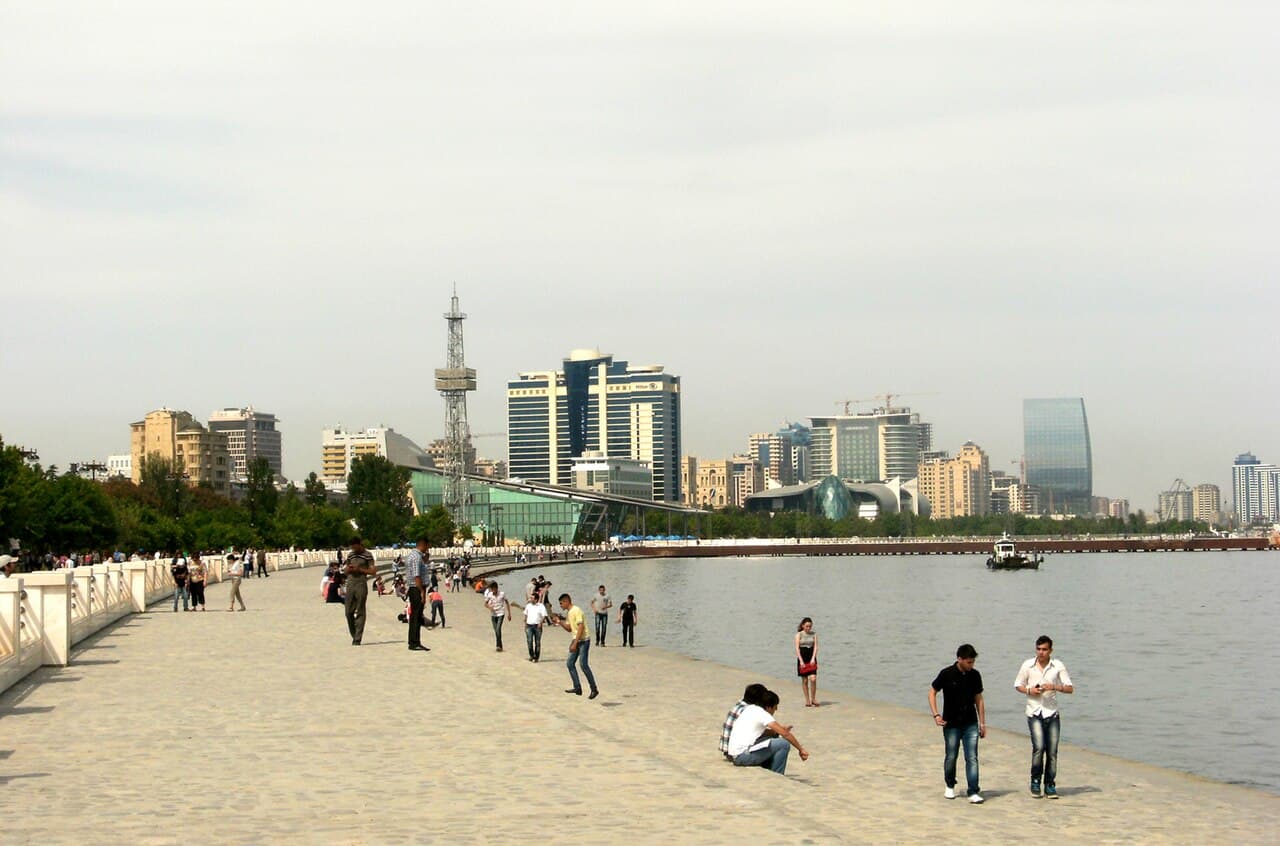
Cruise tourism is a small but distinct part of Baku's visitor economy, built around the Caspian Sea rather than the ocean routes most people associate with cruising. It is not yet a dominant driver of the city's tourism numbers, but it produces a very specific pattern of short, concentrated visits near the port and the adjacent seaside boulevard — and that pattern has real, if still-developing, implications for nearby retail and short-stay hospitality real estate.
The Caspian Cruise Market
Because the Caspian Sea is landlocked, shared among five countries and not connected to the world's oceans, cruise itineraries calling at Baku are inherently regional rather than global — typically linking Baku with other Caspian ports in Russia, Kazakhstan, Turkmenistan, and Iran, rather than forming part of a broader international cruise circuit. This makes Baku's cruise market smaller in scale and more irregular in scheduling than what a Mediterranean or Caribbean port would see, with calls concentrated in the warmer months when Caspian sailing conditions are most favorable. Baku's passenger port facilities on the Caspian, near the city center, have been developed with an eye toward accommodating this traffic alongside cargo and ferry operations, positioning the city as a natural anchor point for Caspian itineraries given its status as the largest city on the sea.
The Short-Visit Tourism Pattern
Cruise passengers are a distinct visitor category from Baku's other tourism segments: they arrive for a single day or part of a day, typically as part of a multi-stop itinerary, and their time in the city is tightly scheduled around a call window rather than an open-ended stay. This produces a visit pattern built around walkable proximity to the port — the Baku Boulevard, Fountains Square, and Icherisheher are all within reasonable walking or short transfer distance of the passenger terminal, which makes them the default itinerary for a cruise call. Unlike overnight tourists, cruise passengers generate no accommodation demand at all, but they do generate a concentrated, predictable burst of foot traffic, retail spending, and food and beverage demand within a narrow radius of the port during call hours.
Impact on Retail Near the Waterfront
For retail property near the port and boulevard, cruise calls function as a recurring, calendarized demand spike rather than a steady background flow. Businesses positioned to capture that traffic — souvenir and craft retail, cafes and quick-service dining, currency exchange, and tour operators offering short excursions — benefit directly from a call day in a way that a location a few streets further inland does not. This has made ground-floor retail space directly on or very near the boulevard corridor more valuable specifically for its ability to capture concentrated short-visit spending, a dynamic distinct from the boulevard's broader appeal as a promenade for residents and overnight tourists alike.
Implications for Short-Stay Hospitality
Because cruise passengers do not need accommodation, the direct hospitality impact is more indirect than the retail impact: cruise tourism raises the overall profile and foot traffic of the waterfront district, reinforcing its status as a premium area for hotels and short-term rentals serving Baku's broader (non-cruise) visitor base, rather than creating standalone demand of its own. Some cruise itineraries do include a pre- or post-cruise night in Baku for passengers extending their trip, which creates a modest, secondary layer of accommodation demand tied to cruise scheduling — but this remains a minor factor compared to Baku's business and leisure travel segments.
An Emerging, Not Yet Mature, Factor
It's worth being realistic about scale: Caspian cruise tourism is a niche within Baku's tourism economy, not a primary driver of it, and the market's growth depends on factors specific to Caspian shipping and regional relations among the five littoral states, which are outside any individual investor's control. Waterfront retail and hospitality property near the port benefits from cruise calls as one contributor among several — alongside business travel, conferences, and general leisure tourism — rather than as a dominant factor investors should weight too heavily on its own. It is a genuine, distinctive feature of Baku's waterfront tourism economy and a factor worth tracking, but not one that should override the fundamentals — location, walkability, and general visitor volume — that already make the boulevard corridor one of the most sought-after commercial addresses in the city.
What to Watch
Investors interested in the waterfront should watch two things over time: the frequency and scheduling regularity of cruise calls, which remains less predictable than in mature cruise markets, and the pace of port infrastructure development, since any expansion of passenger handling capacity would signal growing confidence in this segment. For now, the practical takeaway is that cruise tourism modestly reinforces, rather than transforms, the existing case for retail and hospitality investment along Baku's central waterfront.
 Living & visiting guide
The Absheron Peninsula Water Quality Map
What the Ministry of Ecology's monitoring found suitable and what it did not, why the infrastructure list and the test results disagree, and how the Khazri wind changes things
Read more →Living & visiting guideWhy You Can't Swim in Baku Bay — and Where You Can
Swimming is banned in Baku Bay and Shikhov closes most summers, while the northern Absheron beaches stay clean. Here is why, and how to check before you go in
Read more →Living & visiting guideBaku Beaches: A Practical Guide to the Coast
Bilgah, Buzovna, Mardakan, Novkhani and Amburan - what to expect at each beach, how to get there, and why some charge entry when the law says they are free
Read more →