How the Baku F1 Grand Prix Affects Property Demand and Rental Prices
Published on 2026-08-06 · 4 min read
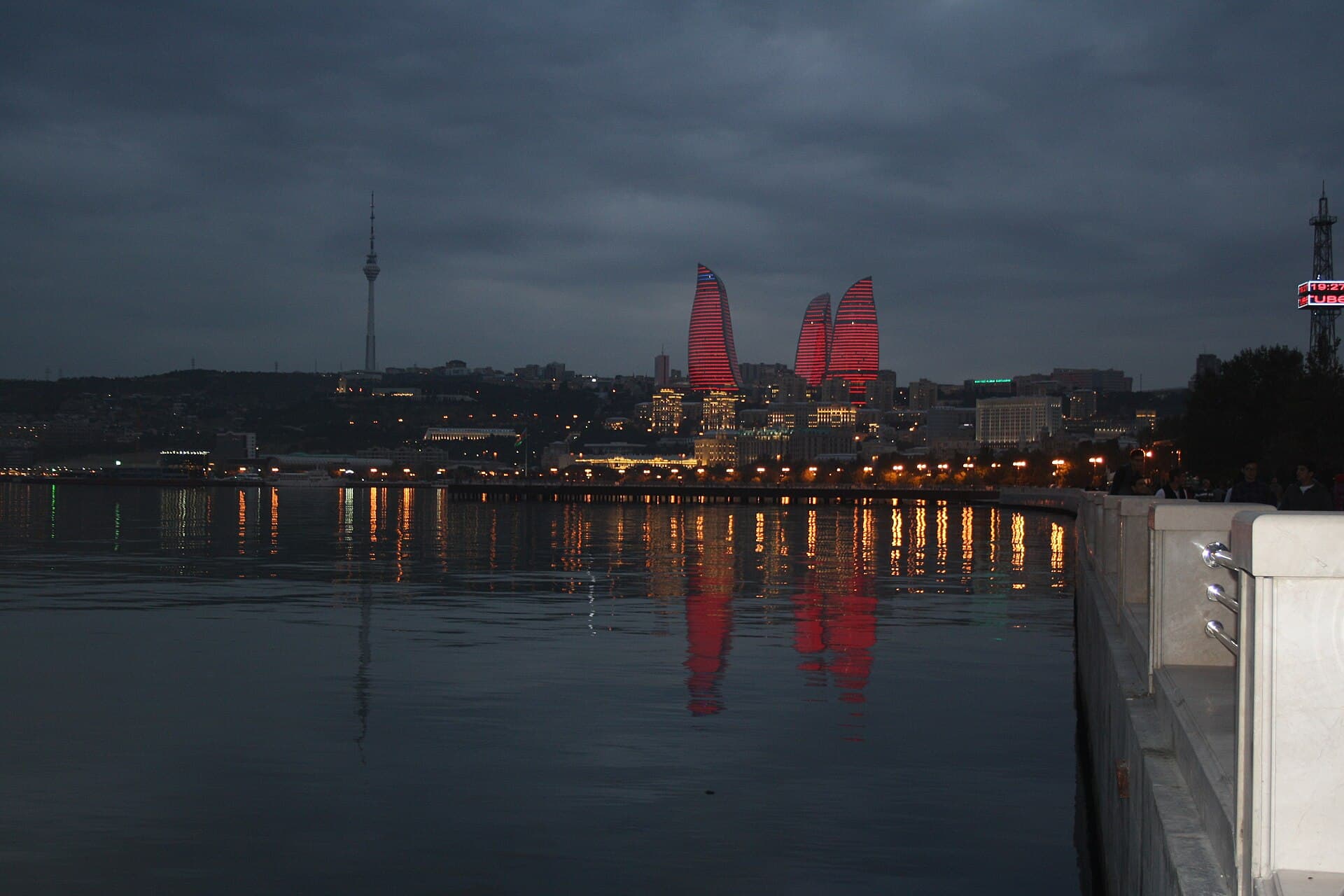
Once a year, for roughly four days, a stretch of central Baku turns into a Formula 1 circuit - and the apartment market in the surrounding districts feels it directly. The Baku City Circuit, in place since 2016, is the longest street circuit on the F1 calendar at just over 6 kilometers, running along the seafront on Neftgilar Avenue, through the narrow medieval lanes of Icherisheher (the Old City) in what is widely considered the tightest, most technical section of any track on the calendar, and past landmark buildings including Government House before finishing near Baku Boulevard. For property owners in Sabail district and the surrounding areas, race week is the single biggest short-term rental event of the year.
What Race Week Actually Does to the District
The circuit runs directly through or immediately alongside some of Baku's densest and most desirable residential real estate - the Old City, the Boulevard-facing towers, and buildings within walking distance of the Flame Towers. During the event, roads inside and adjacent to the circuit are closed to normal traffic for several days, grandstands and hospitality structures go up along the route, and the district effectively converts into an event venue. For residents who don't plan around it, this means restricted vehicle access, noise, and crowds. For owners who do plan around it, it means a market of visitors - drivers' teams, sponsors, international fans, media - willing to pay far above normal nightly rates for a bed within walking distance of the track.
The Rental Price Spike
Short-term rental listings within or near the circuit zone routinely command several times their normal nightly rate during race week, with the steepest premiums attached to apartments with a track view or grandstand-adjacent access. Hotels in the city center sell out well in advance, which pushes overflow demand into the private rental market even for apartments a short taxi ride from the circuit rather than immediately on it. The premium isn't limited to the exact race days either - many visitors arrive a day or two early and stay a day or two after, extending the high-demand window to roughly a week around the event itself.
Distance From the Track Still Matters
The pricing effect isn't uniform across Baku - it's concentrated and it fades with distance. Apartments directly on or overlooking the circuit route see the largest multiples. Buildings within Sabail district but a few streets back still see a strong but smaller premium. Beyond a certain radius, the effect blends into Baku's general city-wide hotel overflow rather than a track-specific premium, and owners further out are competing on standard tourism demand rather than race-day scarcity. For an owner evaluating a purchase partly on the strength of race-week income, the practical distance to the actual closed-road perimeter matters more than district boundaries on a map.
Practical Considerations for Owners
Race week income is real but concentrated into a narrow window, and it should be modeled as a bonus layered on top of a property's baseline year-round rental performance rather than as the core of a return calculation - a unit that only performs during four days in June and sits empty the rest of the year is a very different investment from one with strong baseline occupancy that also captures a race-week spike. Owners should also account for the operational side of the event: road closures can affect an owner's or property manager's own ability to reach the unit for turnover between guests, advance notice is needed to secure a premium booking before hotel overflow demand normalizes prices, and short-term rental listings should be registered and compliant with applicable local rules well ahead of the event, since enforcement attention tends to increase around high-profile events with heavy tourist inflow.
Reading the Calendar Correctly
Because the Grand Prix date shifts somewhat from year to year within the F1 calendar, owners planning around it should confirm the current-year date rather than assuming a fixed month, and should treat the surrounding shoulder days - not just the race day itself - as part of the high-demand window. For anyone assembling a broader short-term rental strategy in Baku, race week functions as one sharp, predictable peak within a calendar otherwise driven by more general seasonal tourism patterns - valuable precisely because it's concentrated, but not a substitute for a property that performs reasonably well the other 361 days of the year.
 Living & visiting guide
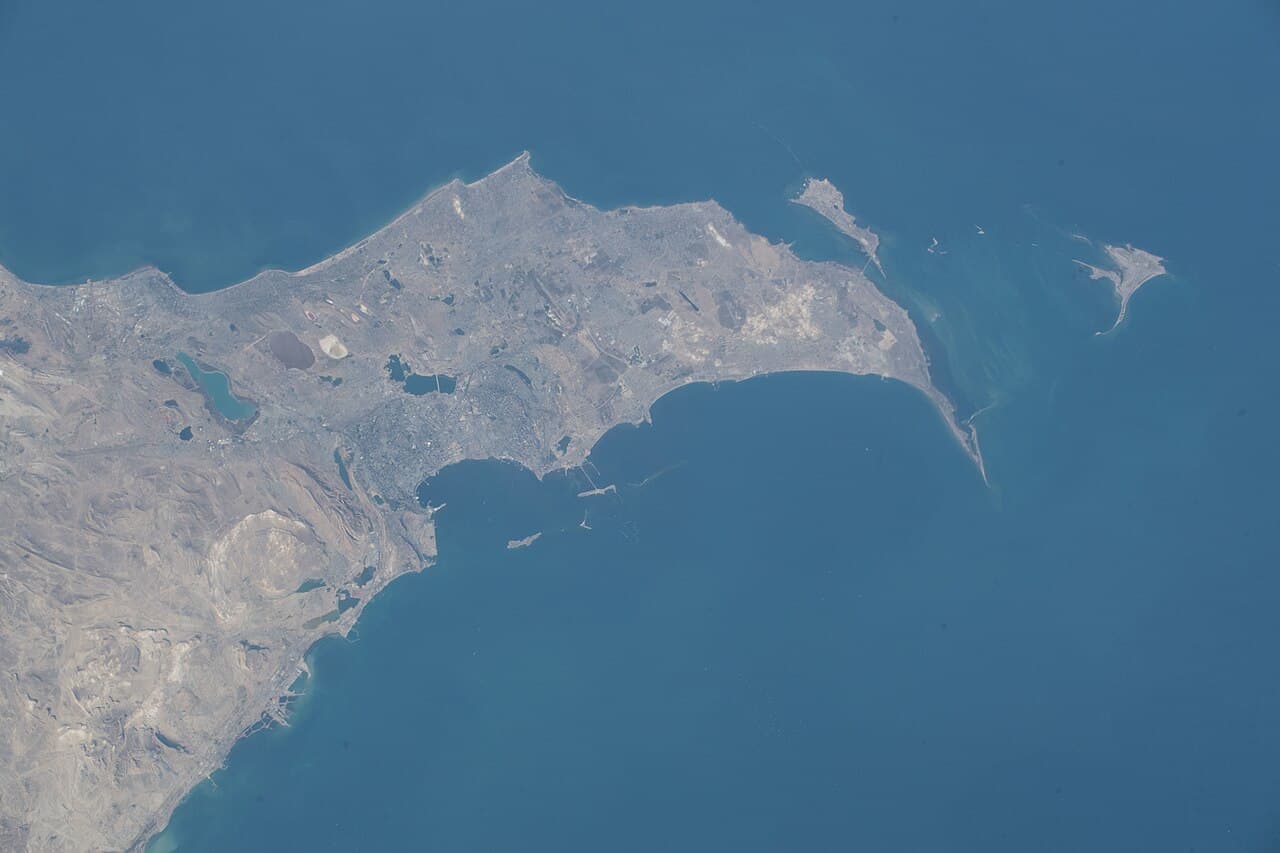
The Absheron Peninsula Water Quality Map
What the Ministry of Ecology's monitoring found suitable and what it did not, why the infrastructure list and the test results disagree, and how the Khazri wind changes things
Read more →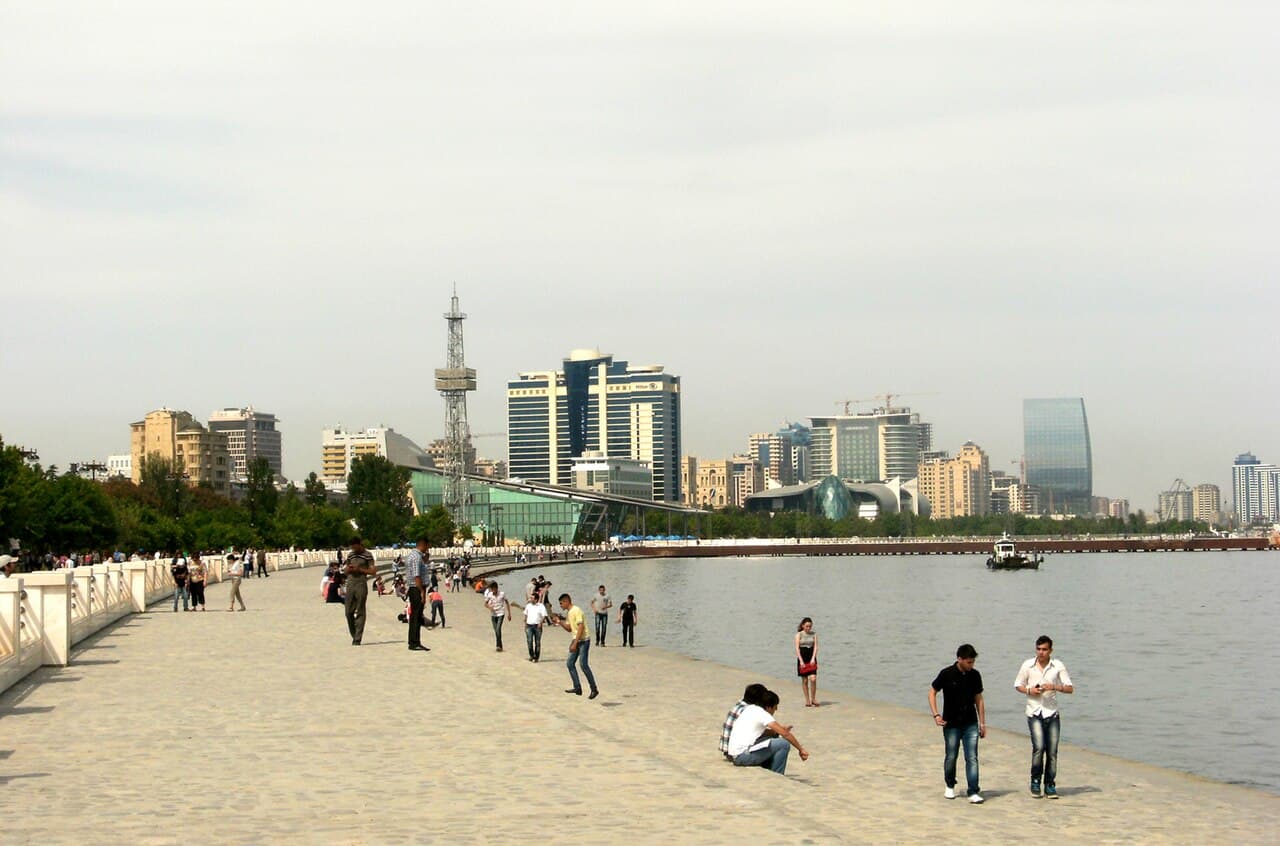 Living & visiting guide
Why You Can't Swim in Baku Bay — and Where You Can
Swimming is banned in Baku Bay and Shikhov closes most summers, while the northern Absheron beaches stay clean. Here is why, and how to check before you go in
Read more →Living & visiting guideBaku Beaches: A Practical Guide to the Coast
Bilgah, Buzovna, Mardakan, Novkhani and Amburan - what to expect at each beach, how to get there, and why some charge entry when the law says they are free
Read more →