Foreign Investment Flows Into Azerbaijani Real Estate: A 2026 Overview
Published on 2026-08-08 · 4 min read
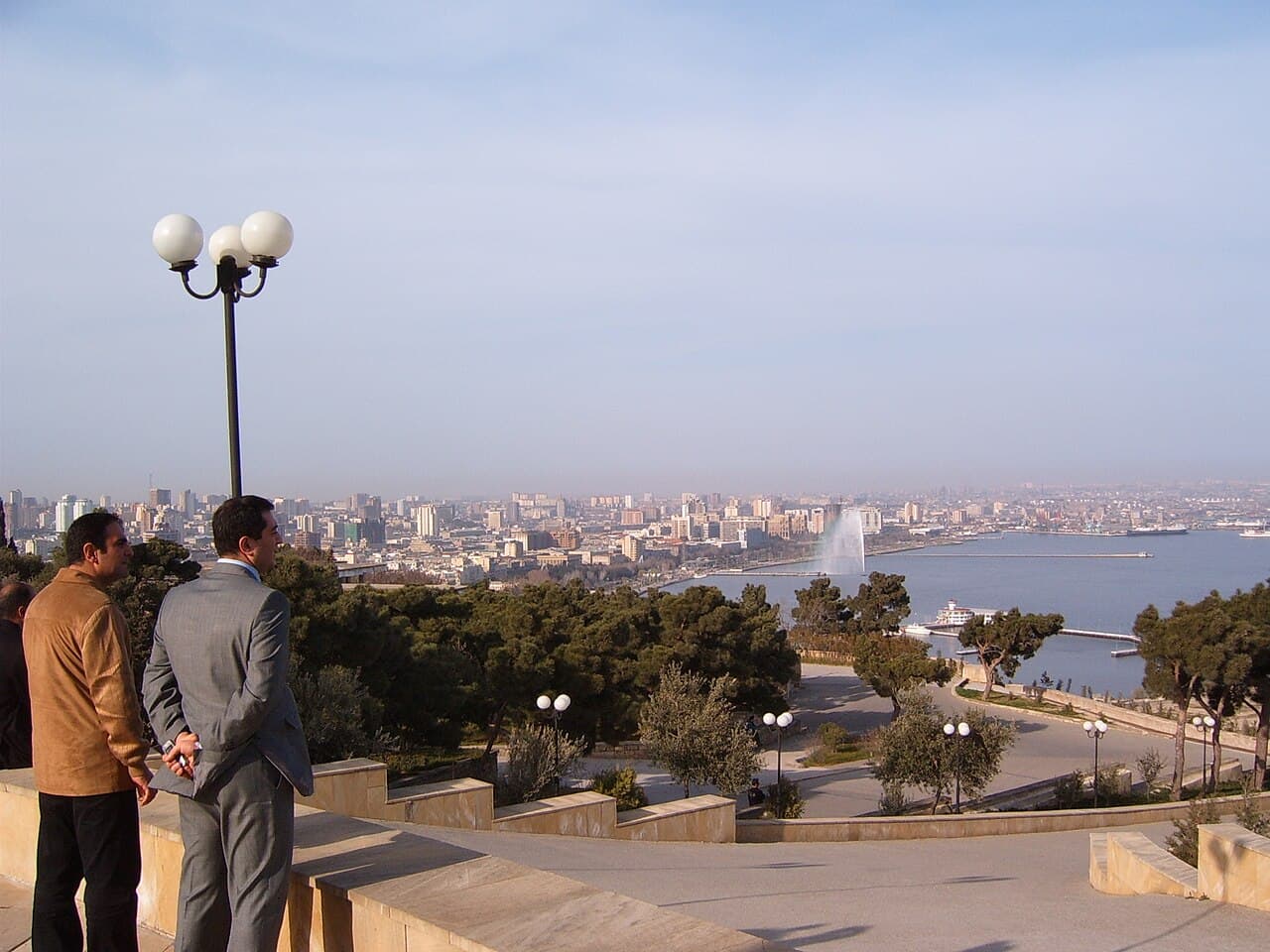
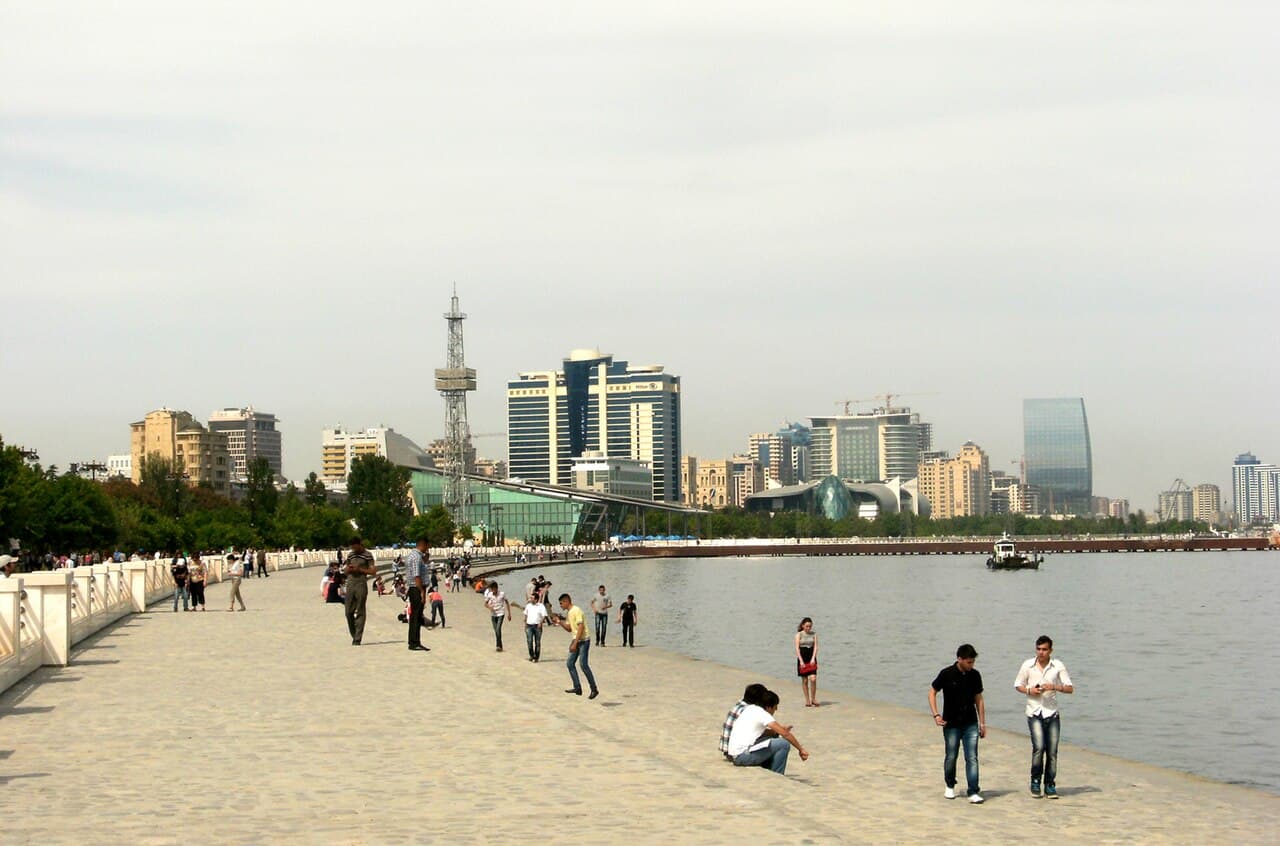
Foreign buyers have become a more visible presence in Baku's real estate market over the past several years, though it remains a market still anchored, first and foremost, by domestic demand. Understanding who is buying, and why, helps put individual purchase decisions in a broader context.
Which Nationalities Are Most Active
Several buyer groups show up repeatedly in market conversations, each with distinct motivations. Russian buyers have long been one of the most consistent sources of foreign demand, drawn by geographic proximity, direct flights, and, in recent years, a search for markets outside the sanctions-affected financial system. Turkish buyers benefit from cultural and linguistic closeness to Azerbaijan and often approach Baku as a natural extension of their own domestic property strategies. Gulf and UAE buyers tend to arrive with a comparative lens shaped by Dubai's market, and are generally drawn to higher-end, sea-view, and branded developments. Iranian buyers, similarly, often view Baku as a relatively accessible market for capital preservation given regional financial constraints at home. European buyers are a smaller but steady segment, typically motivated by lifestyle, retirement planning, or diversification rather than short-term speculation. UK buyers form their own distinct niche within that European interest. Central Asian buyers, particularly from Kazakhstan and Uzbekistan, have grown as a category alongside expanding regional business ties. Chinese buyer interest remains comparatively limited but has been rising gradually as regional infrastructure and trade links strengthen.
It's worth noting that these groups differ not only in scale but in intent: some are oriented toward rental income, some toward long-term capital preservation, and some toward eventual relocation or dual residence.
Why Foreign Interest Has Grown
A few general, well-established directional trends help explain the broader pickup in foreign interest over recent years. Entry prices in Baku remain low relative to comparable cities in Europe and the Gulf, which makes the market attractive on a pure value basis. Azerbaijan's legal framework for foreign property ownership has gradually become more defined and predictable, reducing some of the uncertainty that previously discouraged non-resident buyers. Growing air connectivity, tourism numbers, and regional business activity have also raised Baku's visibility as a place worth owning property in, not just visiting. Finally, a number of buyers — particularly from Russia and Iran — have been partly motivated by a search for markets with fewer financial restrictions than their home countries currently offer, a dynamic that is more about capital mobility than about Baku's fundamentals specifically.
How This Compares to the Domestic Buyer Base
Despite this growth in foreign activity, it is important to keep the scale in perspective: domestic Azerbaijani buyers still make up the large majority of transactions in the residential market, particularly outside the premium and branded-residence segments. Local buyers drive demand in the mass-market and mid-market tiers, financed increasingly through local mortgage products, while foreign buyers are disproportionately concentrated in higher-end, sea-view, and centrally located properties. This means foreign demand, while meaningful and growing, tends to influence pricing most visibly at the top of the market rather than across the board.
What This Means in Practice
For a foreign buyer entering this market, the practical takeaway is that Baku is not a market being reshaped wholesale by international capital — it is a domestically-driven market with a growing, but still secondary, layer of foreign participation concentrated in specific neighborhoods and product types. That has two implications worth weighing. First, pricing in the broader market is still largely set by local income levels and local financing conditions, which is part of why entry prices remain comparatively low. Second, foreign-favored segments — sea-view towers, branded developments, central districts — can behave somewhat differently in terms of pricing and liquidity than the market as a whole, since they respond more to cross-border capital flows and currency dynamics elsewhere in the region.
A Note on Data Limitations
Reliable, granular statistics on foreign ownership by nationality are not consistently published in Azerbaijan, so most of what is known about buyer composition comes from developer sales data, agent reporting, and anecdotal patterns rather than a single authoritative source. Any specific percentage figures circulating in the market should be treated as illustrative estimates rather than verified statistics, and buyers doing serious due diligence should ask developers and agents directly about the buyer mix on a given project rather than relying on general market narratives.
Bottom Line
Foreign investment flows into Baku real estate reflect a genuine and growing trend, driven by relative affordability, improving legal clarity, and regional dynamics that have pushed certain buyer groups to look outward. But the market remains fundamentally a domestic one, and foreign demand is best understood as a layer concentrated in specific segments rather than a force transforming the market as a whole.
 Real estate investing
The Israel-Azerbaijan-US Triangle in 2026
An AI memorandum, an American strategic charter and talks on a trilateral format. What is actually new here, what was already in place, and what it means for buyers
Read more → Real estate investing
How Dependent Is Azerbaijan's Economy on Oil, Really?
The non-oil sector reaches 75.8% of GDP in 2026, but that share is rising for two different reasons. The official figures, the IMF's view, and what it means for buyers
Read more →Real estate investingThe Armenia-Azerbaijan Peace Deal: Where It Stands
The agreement was initialed in August 2025 but remains unsigned. What was agreed, what is blocking signature, what the Armenian election changed, and what it means for owners
Read more →