The Hagag Sea Breeze Deal: Due-Diligence Considerations for Israeli Investors
Published on 2026-08-25 · 5 min read
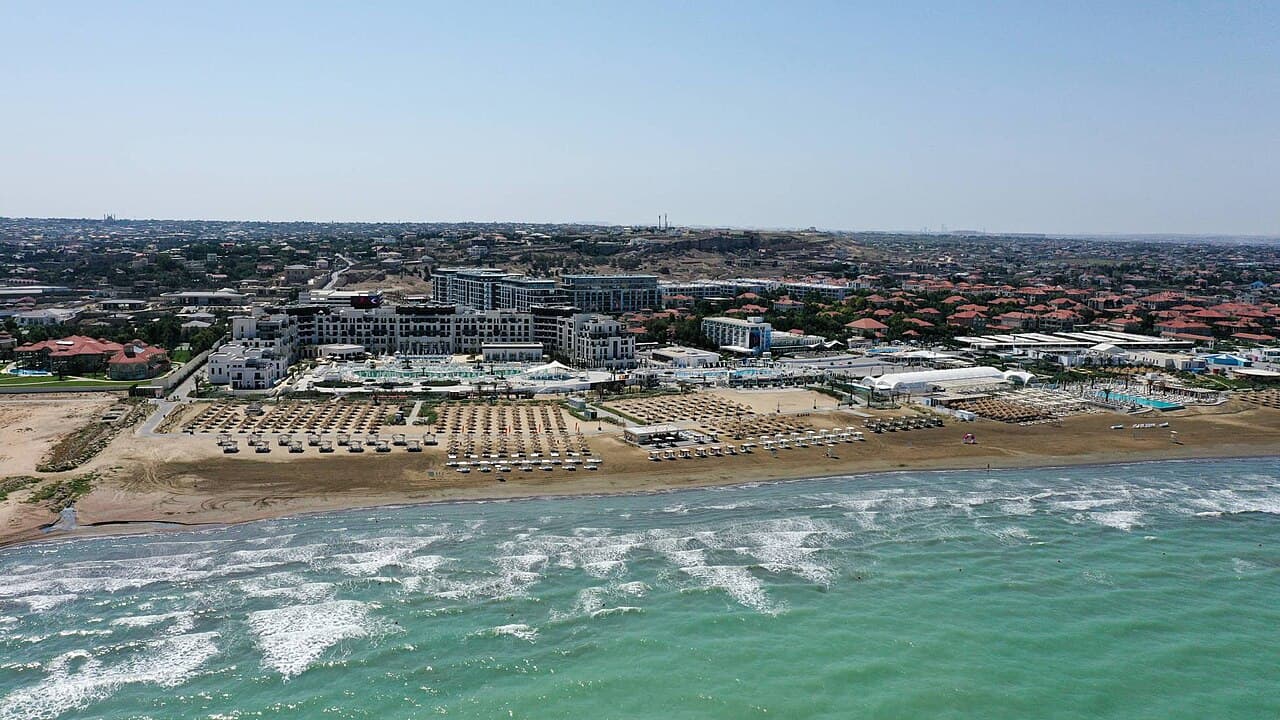
The memorandum of understanding signed between Hagag Group and Sea Breeze, reported on August 24, 2026, is the kind of announcement that naturally catches the attention of Israelis considering real estate in Azerbaijan - a well-known, publicly-traded company, a large-scale project, impressive figures. That's exactly why it's worth resisting the urge to jump to conclusions. This article doesn't repeat the announcement itself (that's covered in a separate article on this site); instead it focuses on the more practical question: how should a private investor weigh news like this within a decision-making process, and what's still missing before it could become a real basis for an investment decision.

What a Company Like Hagag Entering the Market Actually Suggests
There's a reasonable case for reading the entry of a well-known, publicly-traded Israeli developer with a track record of large-scale projects (such as one in Tel Aviv's Sde Dov area) into a new market like Sea Breeze as a kind of indirect signal. A public company is subject to disclosure obligations, board oversight, and often institutional scrutiny before committing resources at this scale - so the willingness to sign an MOU at all suggests someone inside the organization judged this opportunity worth serious evaluation.
That said, it's important to avoid over-generalizing. One company's MOU, even a well-known one, is not equivalent to a verdict on an entire market. Companies enter new markets for many reasons - sometimes broad strategy, sometimes company-specific financial timing, sometimes simply an opportunity that happened to fit their needs at that particular moment. The fact that one company sees merit in a specific project doesn't mean every other project at Sea Breeze, or in the Azerbaijani market as a whole, offers the same terms or the same level of risk.
What Still Isn't Known - and Why It Matters
At this stage, and this is worth repeating, this is only a memorandum of understanding, not a signed deal. Several key points remain entirely open:
- Final binding terms - an MOU sets an intention framework, not a binding contract. The due diligence expected in September 2026 could change scope, ownership structure, timelines, or even lead to the deal falling through entirely.
- Actual pricing and floor plans - the reported figure of around $150,000 for an entry-level unit was published at a very early stage. There are no finalized floor plans, technical specifications, or binding payment structures yet for an investor to actually examine.
- Construction timeline - it hasn't been announced when construction would actually begin, assuming the deal moves forward, or what pace of progress to expect between the intention stage and unit delivery.
- Identity of the local partner - roughly 20% of the deal is earmarked for a local partner whose identity hasn't been disclosed. Partnership structure in a large real estate project is a material consideration, not a technicality.
Each of these is the kind of information a serious investor should obtain in writing and verified form - not rely on early media reports for - if only because these remain intentions rather than commitments at this point.
Due-Diligence Questions Relevant to Any Off-Plan Purchase Abroad
Beyond the specifics of the Hagag deal, this is a good opportunity to note a broader principle that applies to any pre-construction, off-plan real estate purchase in a foreign country, not just this particular project:
- Independently verify the developer's track record - even with a well-known public company in Israel, it's worth checking how that same developer has performed on prior projects outside Israel, not just in the domestic market where it built its reputation. A first international project is sometimes materially different from familiar projects the company has already completed.
- Understand what happens if the MOU doesn't mature into a deal - it's worth clarifying in advance, not after the fact, what happens to funds and commitments from potential buyers if the process stops after due diligence. At the MOU stage, there's no active purchase track for the public yet - but once there is, it's worth reviewing cancellation terms, refunds, and guarantees before signing any document.
- Legal structure and foreign ownership - property purchases by foreigners in Azerbaijan are subject to their own rules and exceptions, which should be checked with a qualified local lawyer rather than assumed to mirror Israel or other countries.
- Currency and cash-flow considerations - deals are denominated in dollars, but payments, financing, and potential returns can be affected by exchange-rate shifts, cross-border transfers, and taxation across jurisdictions.
This site covers, under its legal and investing categories, more general guides on foreign ownership, deal structures, and taxation considerations in Azerbaijan - worth reviewing as general background, alongside current, case-specific professional advice.
How to Actually Weigh This
The right way to treat news like this is as additional attention on the market, not as an endorsement to buy. If the MOU matures into a binding deal in the coming months, and if final details are published - floor plans, timelines, a clear payment structure - that will be the moment to actually evaluate the offer, not before. Until then, this is a development worth tracking within a broader picture of the Sea Breeze market and the Azerbaijani market as a whole, not an opportunity that calls for an immediate decision.
Important Disclaimer
This article is for general informational purposes only and does not constitute investment advice, legal advice, or a recommendation to act. All figures are based on public reporting as of August 24, 2026, and are subject to change. Before making any decision or financial commitment, it's recommended to verify the details independently with the developer, a lawyer experienced in Azerbaijani real estate, and a licensed financial advisor.
Related Articles
 Real estate investing
The Israel-Azerbaijan-US Triangle in 2026
An AI memorandum, an American strategic charter and talks on a trilateral format. What is actually new here, what was already in place, and what it means for buyers
Read more →Real estate investingHow Dependent Is Azerbaijan's Economy on Oil, Really?
The non-oil sector reaches 75.8% of GDP in 2026, but that share is rising for two different reasons. The official figures, the IMF's view, and what it means for buyers
Read more → Real estate investing
The Armenia-Azerbaijan Peace Deal: Where It Stands
The agreement was initialed in August 2025 but remains unsigned. What was agreed, what is blocking signature, what the Armenian election changed, and what it means for owners
Read more →