Why Azerbaijan's Free Economic Zones Are Reshaping Industrial Real Estate
Published on 2026-08-04 · 5 min read
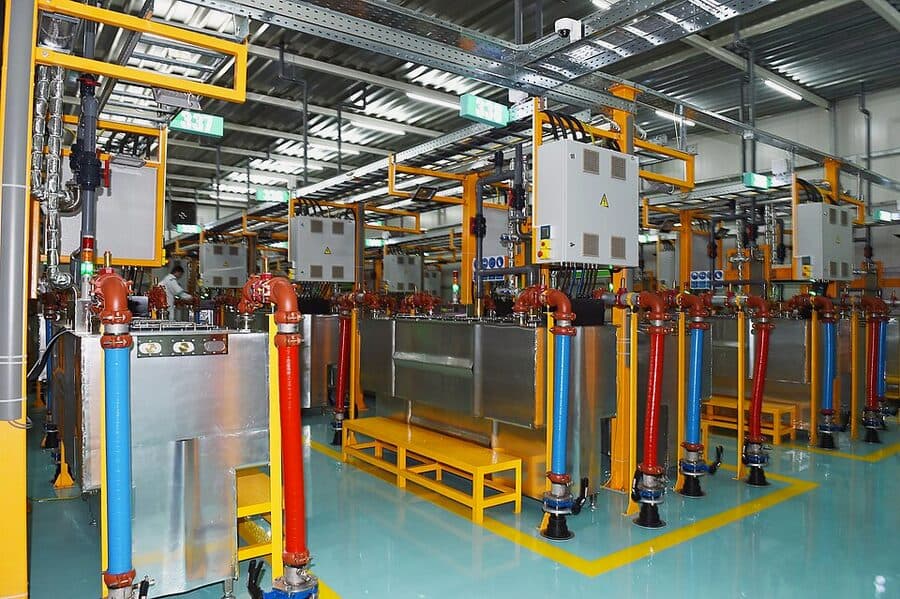
Most conversations about real estate in Azerbaijan focus on apartments and villas in and around Baku. A separate, less-discussed story is unfolding around the country's special economic zones, where a mix of tax breaks, customs exemptions, and streamlined regulation is designed to pull foreign businesses - and by extension, industrial and logistics real estate demand - into specific, purpose-built areas. Understanding how these zones work helps explain a slower-moving but real driver behind property interest outside the capital's residential core.
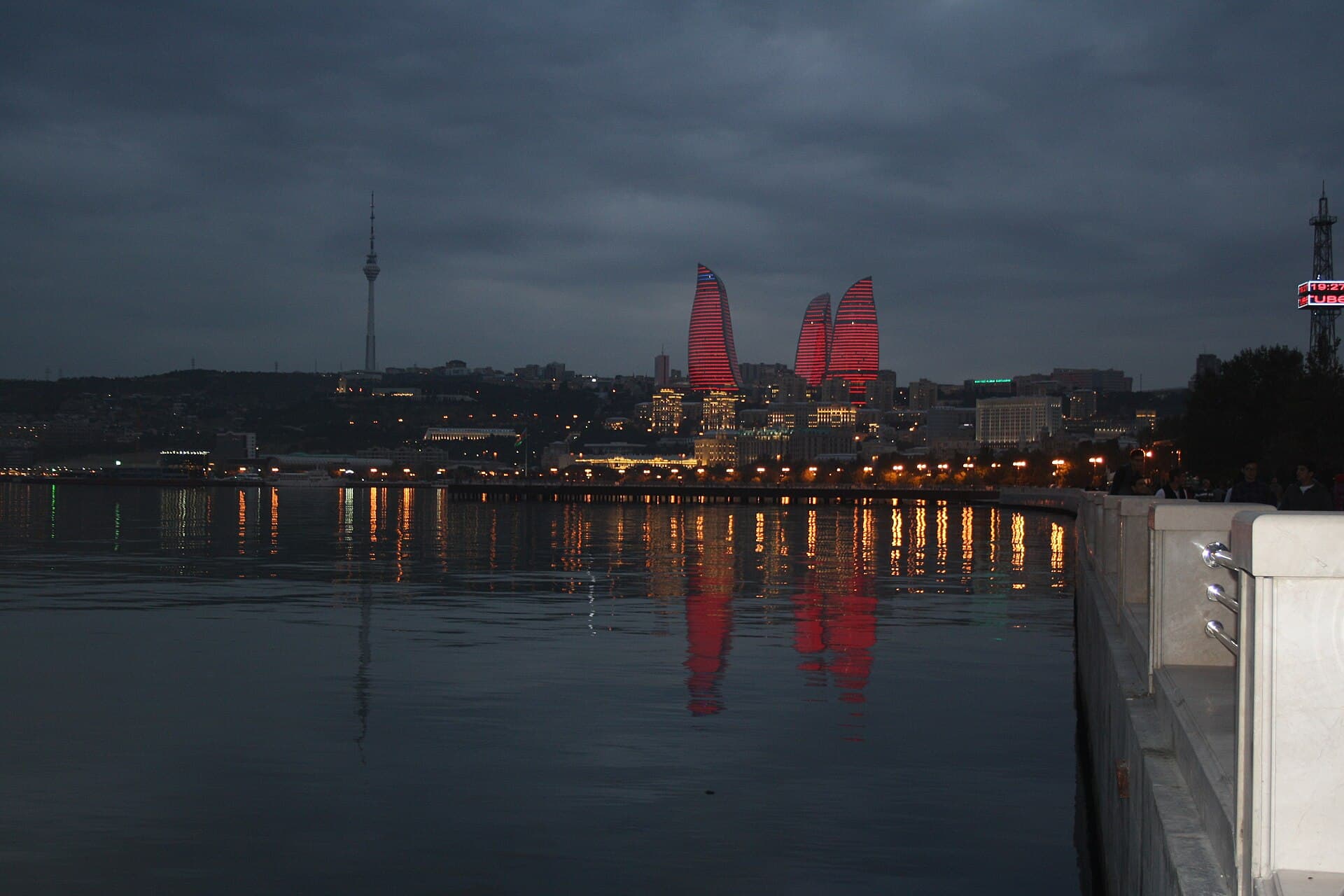
What a Free Economic Zone Actually Offers
A free economic zone (FEZ) is, in essence, a defined territory where the government applies a different, more favorable rulebook than in the rest of the country: reduced or waived customs duties on imported equipment and materials, corporate tax exemptions or reductions for a set number of years, simplified licensing and registration procedures, and in some cases easier repatriation of profits for foreign investors. The logic is straightforward - by lowering the cost and friction of setting up manufacturing, assembly, or logistics operations, the state hopes to attract capital and know-how that might otherwise go to a neighboring country with looser bureaucracy or lower base costs.
It's worth being precise about the scope of these benefits. They are typically aimed at businesses - manufacturers, logistics operators, re-export traders - rather than individual residential buyers, and the exact terms (duration of tax holidays, which activities qualify, minimum investment thresholds) vary by zone and can change as regulations are updated. Anyone evaluating a specific opportunity should verify current terms with local legal counsel rather than relying on general descriptions.
The Alat Free Economic Zone
The most prominent example near Baku is the Alat Free Economic Zone, developed around the Baku International Sea Trade Port south of the city. The port itself was built with an eye toward positioning Azerbaijan as a transit hub along the Middle Corridor - the trade route connecting China and Central Asia to Europe via the Caspian Sea, the South Caucasus, and Turkey, bypassing Russia. Alat's zone status is meant to complement that role: companies handling transshipment, light assembly, warehousing, and value-added logistics around the port can operate under the zone's preferential regime rather than standard national rules.
This combination - a deep-water port, direct rail connections, and a favorable regulatory environment in one location - is the kind of package that tends to draw industrial tenants and, over time, the warehousing, workforce housing, and supporting commercial real estate that clusters around any active logistics hub.
Why This Matters for Industrial and Logistics Real Estate
When a government designates a zone and backs it with infrastructure spending, the effect on nearby real estate tends to unfold in stages. First comes demand for the industrial and logistics buildings themselves - warehouses, distribution centers, light-manufacturing facilities - often built to the specifications of anchor tenants. Second, as employment grows around the zone, demand follows for worker accommodation and everyday commercial space (retail, food service, basic amenities) in nearby towns like Alat and Sumgayit. Third, land values in the surrounding corridor can appreciate as the zone's activity becomes established and investors start pricing in future growth rather than current use.
This is a materially different investment thesis than buying a Baku apartment for rental yield. It's closer to a bet on regional industrial and logistics growth, and it typically rewards patience and proximity to genuine infrastructure - not speculative land banking far from any operating facility.
Who Tends to Benefit From This Trend
Investors most likely to find this angle relevant are those with some background in industrial, logistics, or commercial real estate, or those investing through funds and partnerships with local expertise, rather than individual buyers looking for a straightforward residential purchase. Businesses that trade with or manufacture for Central Asian, Turkish, or European markets also have a direct reason to look at Alat and comparable zones - not purely as a real estate play, but as an operating base with real estate as a byproduct of that decision.
Risks and Open Questions
Special economic zones are a policy tool, and policy tools can underdeliver relative to their stated ambitions. A zone's success depends on sustained government investment in surrounding infrastructure, actual uptake by anchor tenants rather than announcements alone, and the broader trajectory of regional trade routes, which are themselves sensitive to geopolitics along the Middle Corridor. Investors should treat zone designation as a meaningful signal of intent and potential, not a guarantee of realized growth, and should look for evidence of operating tenants and completed infrastructure rather than master-plan renderings alone.
Bottom Line for Investors
Azerbaijan's free economic zones, with Alat as the leading example, represent a genuine and somewhat underappreciated angle on the country's broader investment story - one built around trade logistics and industrial capacity rather than residential lifestyle appeal. For investors willing to do the additional diligence that industrial and logistics real estate requires, and to work with professionals who understand both the zone's regulatory framework and the physical realities on the ground, this is a reasonable thread to pull when evaluating where else in the country, beyond central Baku, real estate demand is likely to grow over the coming years.
Related Articles
Real estate investingThe Israel-Azerbaijan-US Triangle in 2026
An AI memorandum, an American strategic charter and talks on a trilateral format. What is actually new here, what was already in place, and what it means for buyers
Read more → Real estate investing
How Dependent Is Azerbaijan's Economy on Oil, Really?
The non-oil sector reaches 75.8% of GDP in 2026, but that share is rising for two different reasons. The official figures, the IMF's view, and what it means for buyers
Read more → Real estate investing
The Armenia-Azerbaijan Peace Deal: Where It Stands
The agreement was initialed in August 2025 but remains unsigned. What was agreed, what is blocking signature, what the Armenian election changed, and what it means for owners
Read more →