Heritage Tourism in Icherisheher: Foot Traffic, Boutique Hospitality, and the Preservation Trade-Off
Published on 2026-08-09 · 4 min read
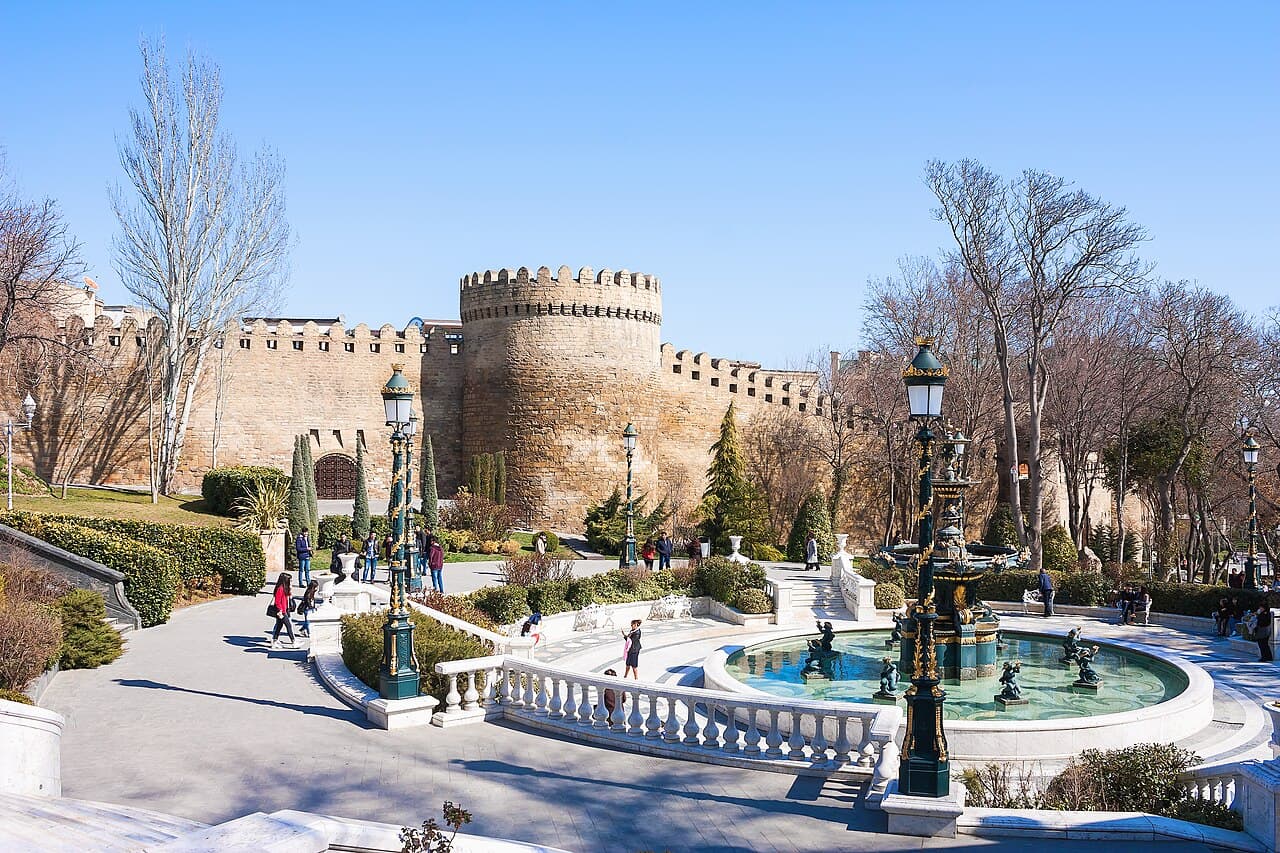
Icherisheher draws a different kind of visitor than Baku's boulevard or its ski resorts: one motivated by heritage, history, and in some cases religious significance, rather than leisure or recreation. That distinction matters for anyone evaluating the Old City not as a place to live, but as a location for a hospitality or commercial investment tied to tourism. The foot traffic is real and largely reliable, but it comes wrapped in one of the strictest preservation regimes anywhere in Azerbaijan's property market.
What Draws Visitors to the Old City
Icherisheher's core attractions — the Maiden's Tower, the Shirvanshahs' Palace complex, the Juma Mosque, and the network of caravanserais and hammams along its lanes — combine architectural, historical, and religious interest in a compact walkable area. The Juma Mosque and several smaller historic mosques within the walls give the district a dimension of religious-heritage tourism alongside its broader historical draw, attracting visitors interested specifically in Islamic architecture and the site's centuries of continuous religious use. As a UNESCO World Heritage Site since 2000, Icherisheher also benefits from the visibility and structured visitor interest that designation brings, distinguishing its tourism base from purely leisure-driven destinations.
Foot Traffic Patterns
Visitor flow through the Old City follows a predictable daily and seasonal rhythm rather than the sharp single-season spikes seen at coastal or ski properties. Mornings are relatively quiet; traffic builds through midday and afternoon as tour groups move between the main sites, and cruise-ship and coach-tour visitors — often on tight schedules covering the Maiden's Tower, the palace complex, and the boulevard in a single pass — create concentrated bursts of activity near the main gates and central lanes. High season broadly tracks Baku's overall tourism calendar (spring through autumn, with additional spikes around major events hosted in the capital), but because the appeal is historical and architectural rather than climate-dependent, the Old City sees meaningful visitor traffic across a wider part of the year than a beach or ski destination does. This steadier, more distributed pattern is one of the features that makes commercial space here attractive despite the district's other constraints.
The Boutique Hospitality Opportunity
The combination of dense historic building stock, walkability, and consistent visitor traffic has made small-scale boutique hospitality — guesthouses, small heritage hotels converted from historic courtyard houses, and specialty cafes or craft retail catering to visitors — one of the more active commercial niches inside the walls. These businesses benefit directly from being inside the attraction itself rather than near it, capturing visitors who are already walking the lanes rather than needing to be drawn in separately. Well-converted historic properties can command a premium precisely because the building's age and character are part of the product being sold, something a new construction elsewhere in Baku cannot replicate.
The Preservation Constraint
This is also where the opportunity runs directly into Icherisheher's defining limitation. As a protected UNESCO heritage zone, any structural change, renovation, or adaptive reuse of a historic building requires approval from heritage authorities and must conform to preservation guidelines governing exterior appearance, materials, and in many cases interior layout. Converting a historic courtyard house into a guesthouse or cafe is possible and has been done successfully, but the process is slower, more restrictive, and generally more expensive per square meter than comparable commercial fit-outs elsewhere in the city — modern mechanical systems, accessibility features, and layout changes all have to be threaded through preservation requirements rather than simply built to code. Investors need to budget for this reality from the outset rather than treating it as a minor administrative step, and should expect longer timelines between acquisition and opening than a comparable project outside the walls.
Balancing Preservation and Commercial Use
The tension is not unique to Baku — every historic quarter with active tourism faces some version of it — but it is particularly pronounced in Icherisheher because the walled area is small, densely built, and fully protected rather than partially so. Authorities have generally allowed adaptive reuse for hospitality and retail uses that preserve a building's character, while restricting changes that would alter its historic fabric or footprint. In practice, this favors modest-scale interventions — a boutique guesthouse in a few converted rooms, a cafe in a restored courtyard — over larger-scale hospitality development, which reinforces the district's character as a boutique rather than mass-market hospitality zone.
What This Means for Investors
Icherisheher is not a location for volume-driven hospitality investment; its size, preservation rules, and building stock make that structurally difficult. It suits investors interested in a smaller number of high-character units, priced at a premium tied to authenticity and location, serving a heritage-tourism visitor base that is more stable across the calendar than Azerbaijan's seasonal coastal and mountain destinations. The trade-off is a slower, more heavily regulated path to bringing a property into commercial use — one that rewards patience and a genuine interest in preservation-compatible renovation over investors looking for the fastest route from acquisition to opening.
 Living & visiting guide
The Absheron Peninsula Water Quality Map
What the Ministry of Ecology's monitoring found suitable and what it did not, why the infrastructure list and the test results disagree, and how the Khazri wind changes things
Read more →Living & visiting guideWhy You Can't Swim in Baku Bay — and Where You Can
Swimming is banned in Baku Bay and Shikhov closes most summers, while the northern Absheron beaches stay clean. Here is why, and how to check before you go in
Read more →Living & visiting guideBaku Beaches: A Practical Guide to the Coast
Bilgah, Buzovna, Mardakan, Novkhani and Amburan - what to expect at each beach, how to get there, and why some charge entry when the law says they are free
Read more →