The State of Baku's Villa and Private-House Market
Published on 2026-08-06 · 4 min read
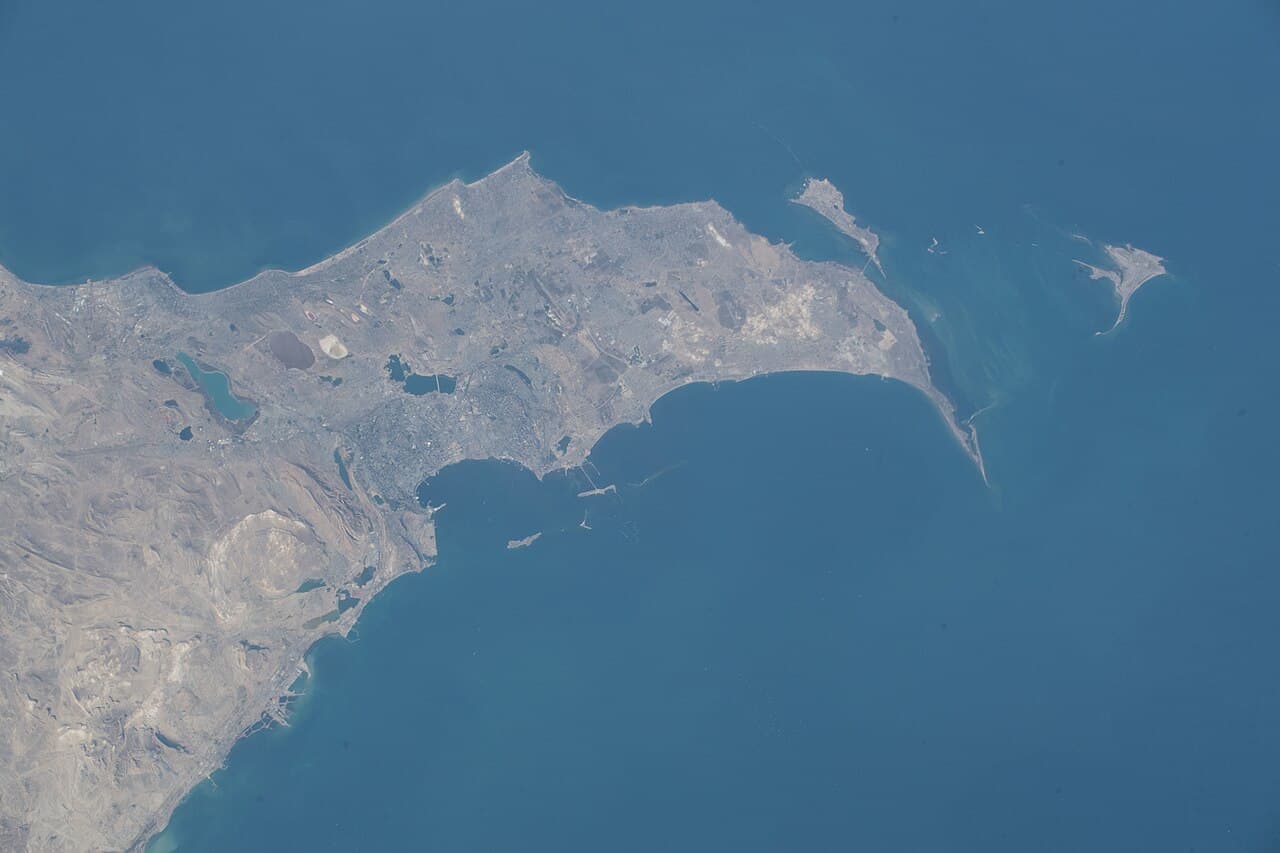
While most discussion of Baku real estate centers on apartments, the villa and private-house segment—concentrated in areas like Badamdar within the city and the dacha towns scattered across the Absheron Peninsula—operates on largely different rules. Supply is far more constrained, transaction volume is lower, and the buyer pool is narrower and more specific.
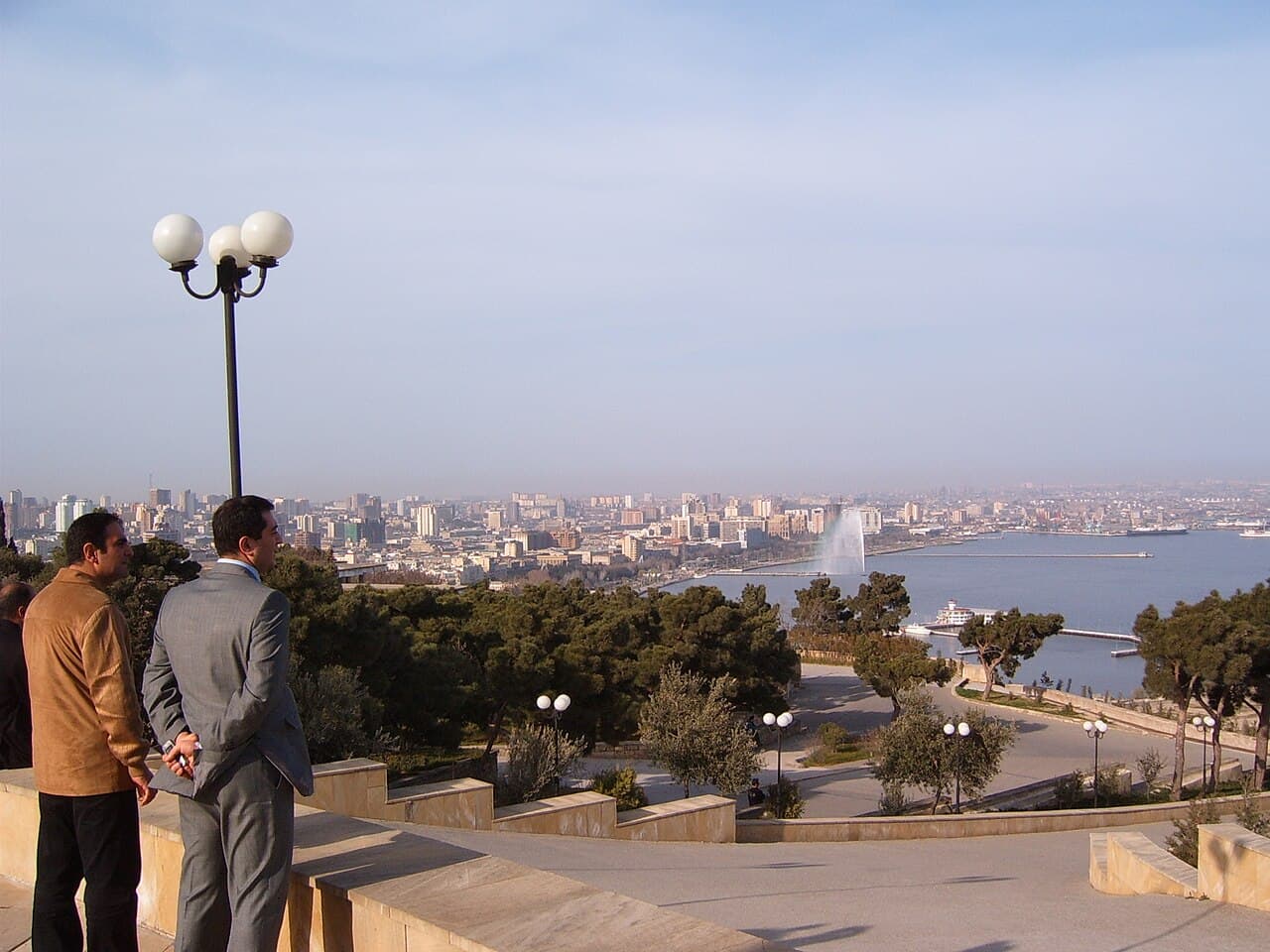
A Structurally Different Market
Apartments in Baku are, for the most part, a manufactured product: developers acquire land, build multi-unit towers, and sell units at scale, which keeps supply relatively elastic in response to demand. Villas and private houses are the opposite. Land suitable for standalone housing close to the city is inherently limited, especially in established, desirable areas like Badamdar, where much of the available land was built out years ago. Further out on the Absheron Peninsula, in dacha towns that have historically served as summer or weekend retreats, land is more available, but infrastructure, road access, and utility reliability vary considerably from one settlement to the next, which limits how fungible these areas are with each other.
This means the villa segment doesn't respond to demand the way the apartment market does. When interest in standalone housing rises, the response is less "developers build more supply quickly" and more "prices for the limited existing stock adjust," because new supply typically requires either infill construction on scattered remaining plots or longer-horizon development further from the city center.
Supply and Demand Dynamics
On the supply side, most villa inventory falls into two categories: older houses, some dating to the Soviet period or earlier waves of private construction, in need of varying degrees of renovation or rebuilding; and newer, purpose-built villas constructed over the past couple of decades, often larger and finished to a higher standard, particularly in and around Badamdar.
Demand for this segment tends to be less cyclical and more driven by lifestyle and status considerations than pure investment logic. Buyers are generally looking for space, privacy, and a garden or outdoor area that the apartment market structurally cannot offer, along with proximity to the sea in the case of many Absheron locations.
Who Is Actually Buying
The buyer profile here differs meaningfully from the apartment market:
- Established local families and business owners, often described loosely as Baku's business and professional elite, who treat a villa—especially in Badamdar—as both a primary or secondary residence and a visible marker of status.
- Returning diaspora members, particularly those who have spent years working abroad and are building or buying a family home in Azerbaijan, sometimes in their home region's Absheron dacha towns rather than in Baku proper.
- A smaller number of foreign buyers, generally those with a personal or business connection to Azerbaijan rather than pure portfolio investors, given the relative complexity and illiquidity of this segment compared to apartments.
- Seasonal or weekend-house buyers, particularly in Absheron dacha towns, who maintain a primary residence in central Baku and use the villa as a retreat rather than a full-time home.
How This Differs From the Apartment Market
A few structural differences are worth underlining. Liquidity is meaningfully lower: villas take longer to sell than apartments on average, since the buyer pool is smaller and more selective, and price discovery is harder given the absence of directly comparable units the way standardized apartment layouts allow. Renovation and maintenance costs are also typically higher and more variable, since older private houses can require significant structural work that isn't always visible during a casual viewing.
Financing patterns also tend to differ—villa purchases are more often made with substantial cash components rather than financed the way some apartment purchases are, partly reflecting the buyer profile (established local families and returning diaspora with accumulated savings) and partly reflecting lenders' general caution toward financing this less standardized asset class.
What to Watch in This Segment
For anyone following the villa and private-house market, a few things are worth tracking: the pace of new villa construction in Badamdar and comparable areas relative to the limited remaining land supply; infrastructure investment in specific Absheron dacha towns, since improved road access or utilities can meaningfully shift a given town's desirability relative to its neighbors; and general diaspora sentiment toward returning to or investing in Azerbaijan, since this buyer segment plays an outsized role relative to its share of the broader housing market.
Bottom Line
The villa and private-house segment in and around Baku is a smaller, less liquid, and more status-driven market than the apartment sector, shaped by genuine land scarcity rather than manufactured supply. It rewards patience, careful due diligence on individual properties given how much condition varies house to house, and realistic expectations about resale timelines rather than the faster-moving dynamics typical of the apartment market.
 Real estate investing
The Israel-Azerbaijan-US Triangle in 2026
An AI memorandum, an American strategic charter and talks on a trilateral format. What is actually new here, what was already in place, and what it means for buyers
Read more → Real estate investing
How Dependent Is Azerbaijan's Economy on Oil, Really?
The non-oil sector reaches 75.8% of GDP in 2026, but that share is rising for two different reasons. The official figures, the IMF's view, and what it means for buyers
Read more →Real estate investingThe Armenia-Azerbaijan Peace Deal: Where It Stands
The agreement was initialed in August 2025 but remains unsigned. What was agreed, what is blocking signature, what the Armenian election changed, and what it means for owners
Read more →