Bilgah: Baku's Quiet Sanatorium Beach Town
Published on 2026-08-04 · 4 min read
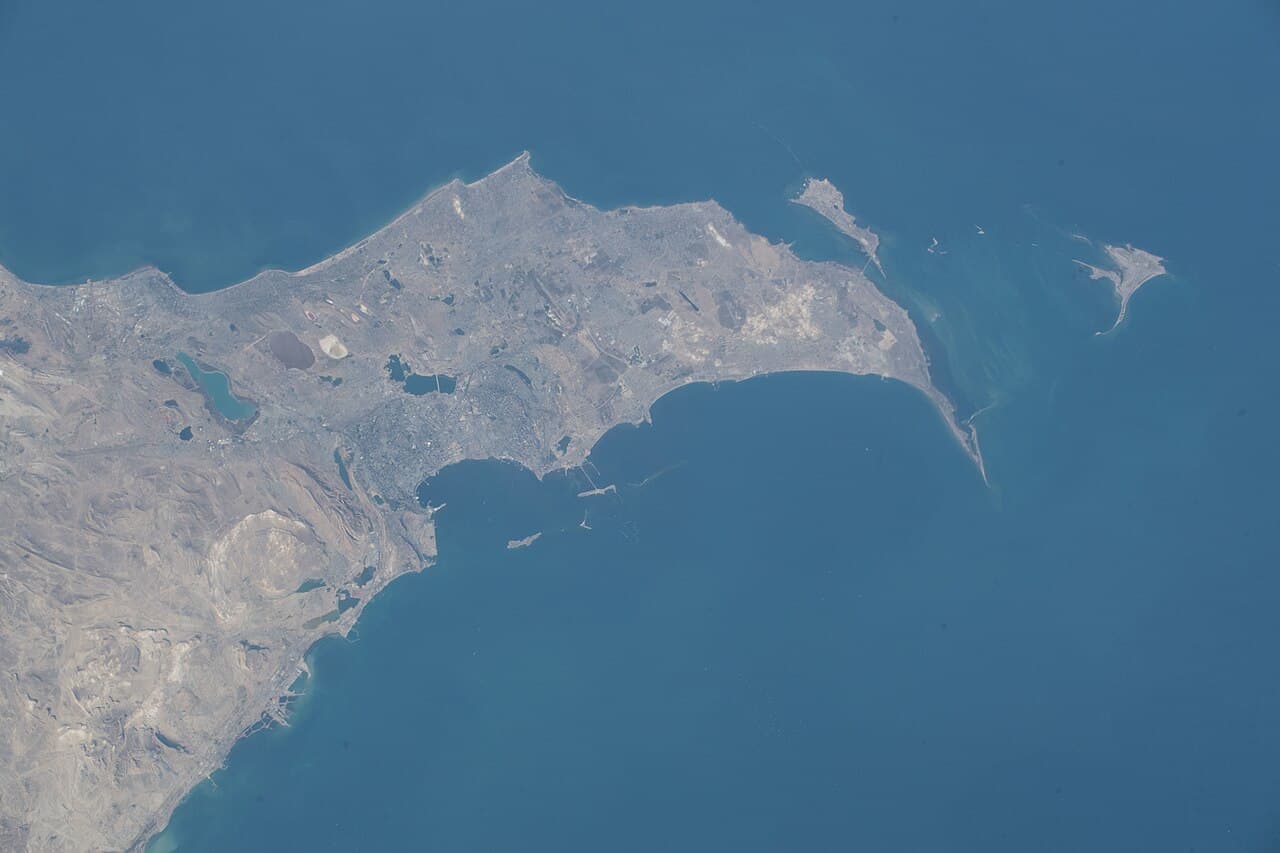
On the northern shore of the Absheron Peninsula, roughly 25 kilometers northeast of central Baku, Bilgah has long occupied a different niche than its more boisterous coastal neighbors. Where Buzovna and Mardakan built reputations as lively summer resort towns, Bilgah developed primarily as a place for rest and treatment — a sanatorium town whose identity still shapes its character today.
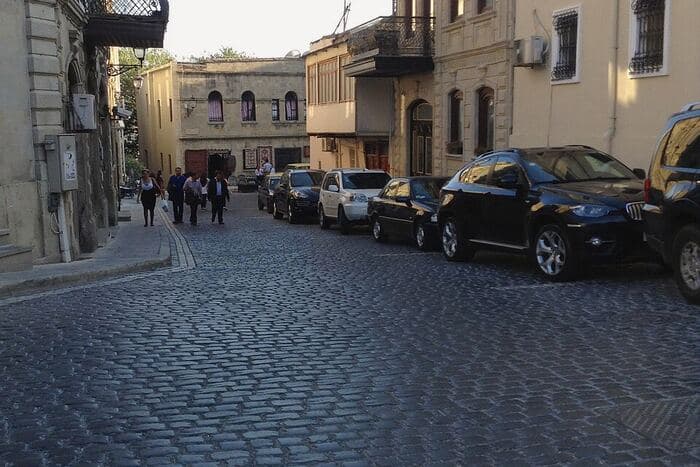
A Health-Resort Tradition
Bilgah's reputation rests on its sanatorium history. During the Soviet period, the town became a destination for recuperation and respiratory treatment, drawing on its dry, mineral-laden coastal air and its stretch of pine groves planted along the shoreline as a windbreak and microclimate feature. Several sanatorium complexes were built here from the mid-20th century onward, some of which continue to operate in updated form today, offering spa and wellness services alongside more conventional accommodation. That legacy has given Bilgah a calmer, more institutional atmosphere than the dacha-heavy settlements further along the coast — fewer market stalls and beach cafés, more walking paths shaded by pines.
The Beach and the Coastline
Bilgah's beach is one of the more consistently regarded stretches of sand on the Absheron Peninsula, wider and cleaner in reputation than many of the peninsula's other coastal points, which has helped sustain its resort function even as tourism patterns have shifted. The water here, as across the Absheron coast, is part of the Caspian's shallow northern shelf, generally calm and gradually sloping, which has traditionally made it popular with families. Unlike Buzovna's more commercial beachfront, Bilgah's shoreline retains a quieter, more parkland feel, with the pine plantings acting as a buffer between the beach and the residential streets behind it.
Residential Character
Away from the sanatoriums and the coast, Bilgah is a low-density settlement of single-family houses and garden plots, similar in form to the dacha pattern found across the Absheron towns. Housing here tends toward standalone homes rather than apartment blocks, with yards used for small-scale cultivation — fruit trees, grapevines, and vegetable plots are common. Some newer private construction has appeared in recent years as buyers look for cheaper alternatives to central Baku, but Bilgah has not seen the scale of new residential development found in some other Absheron towns, and much of its housing stock still reflects mid-to-late Soviet-era construction alongside older, traditional Absheron courtyard houses.
Administration and Location
Bilgah falls within Baku's Khazar district, the administrative division that covers much of the northeastern Absheron coast, including Mardakan and other resort settlements. It sits along the coastal road that links the string of Absheron beach towns, making it reachable by car from central Baku in around 40 minutes to an hour depending on traffic, and connected by local bus routes serving the Khazar district settlements. Its position places it within a short drive of Heydar Aliyev International Airport, a practical point for residents who travel frequently.
Seasonal Rhythm
Like most of the Absheron coast, Bilgah follows a strong seasonal pattern. Summer brings a noticeable increase in population as sanatorium visitors, dacha owners, and day-trippers from Baku arrive for the beach and the treatment facilities. Winters are considerably quieter, with many of the seasonal residents returning to the city and a smaller, longer-term local population remaining. This rhythm is less pronounced than in some smaller dacha-only settlements, since the sanatoriums operate on a more consistent year-round schedule, but it still defines the town's overall pace.
What Sets Bilgah Apart
Compared with Buzovna, which has grown into a busier, more commercially developed resort with a denser concentration of cafés, guesthouses, and beach infrastructure, Bilgah has kept a lower profile. It draws visitors more for rest and recovery than for nightlife or beach entertainment, and its built environment — pine-shaded streets, older sanatorium architecture, modest private housing — reflects that. For buyers and visitors looking at the Absheron Peninsula, Bilgah tends to represent the quieter end of the spectrum: a place defined more by convalescence and calm than by the summer crowds associated with some of its neighbors.
Who It Suits
Bilgah suits those drawn to a slower, more restorative version of coastal Absheron living — buyers looking for a modest garden property away from the busier resort towns, or visitors seeking the sanatorium tradition rather than a beach-party atmosphere. It is less suited to those wanting dense amenities, nightlife, or a highly developed commercial beachfront, all of which are more readily found in Buzovna or closer to central Baku. As with much of the Absheron coast, infrastructure such as road quality and shopping access remains more limited than in the city center, a trade-off buyers should weigh against the appeal of the quieter setting.
Takeaway
Bilgah occupies a specific niche among the Absheron beach towns: a sanatorium-rooted settlement whose pine groves, sandy coast, and understated pace set it apart from the livelier resorts nearby. For anyone prioritizing calm and tradition over commercial beach culture, it remains one of the peninsula's more distinctive addresses.
 Neighborhoods & areas
Baku Nightlife and Entertainment: An Investor's Guide
Baku's entertainment, restaurant and club scene by district — where activity concentrates, how it affects property values and what it means for choosing a neighbourhood
Read more → Neighborhoods & areas
Zabrat: Baku's Oil-Field Heritage Neighborhood
Inside Zabrat, an Absheron settlement built on Baku's early oil boom, now a residential district in Sabunchu with an industrial past still visible in its landscape
Read more →Neighborhoods & areasGörədil: A Smaller Absheron Settlement
What is known about Görədil (Goradil), a lower-profile settlement on the Absheron Peninsula, and how it fits the peninsula's broader rural and agricultural pattern
Read more →