A Central Asian Buyer's Guide to Azerbaijan Real Estate
Published on 2026-07-29 · 5 min read
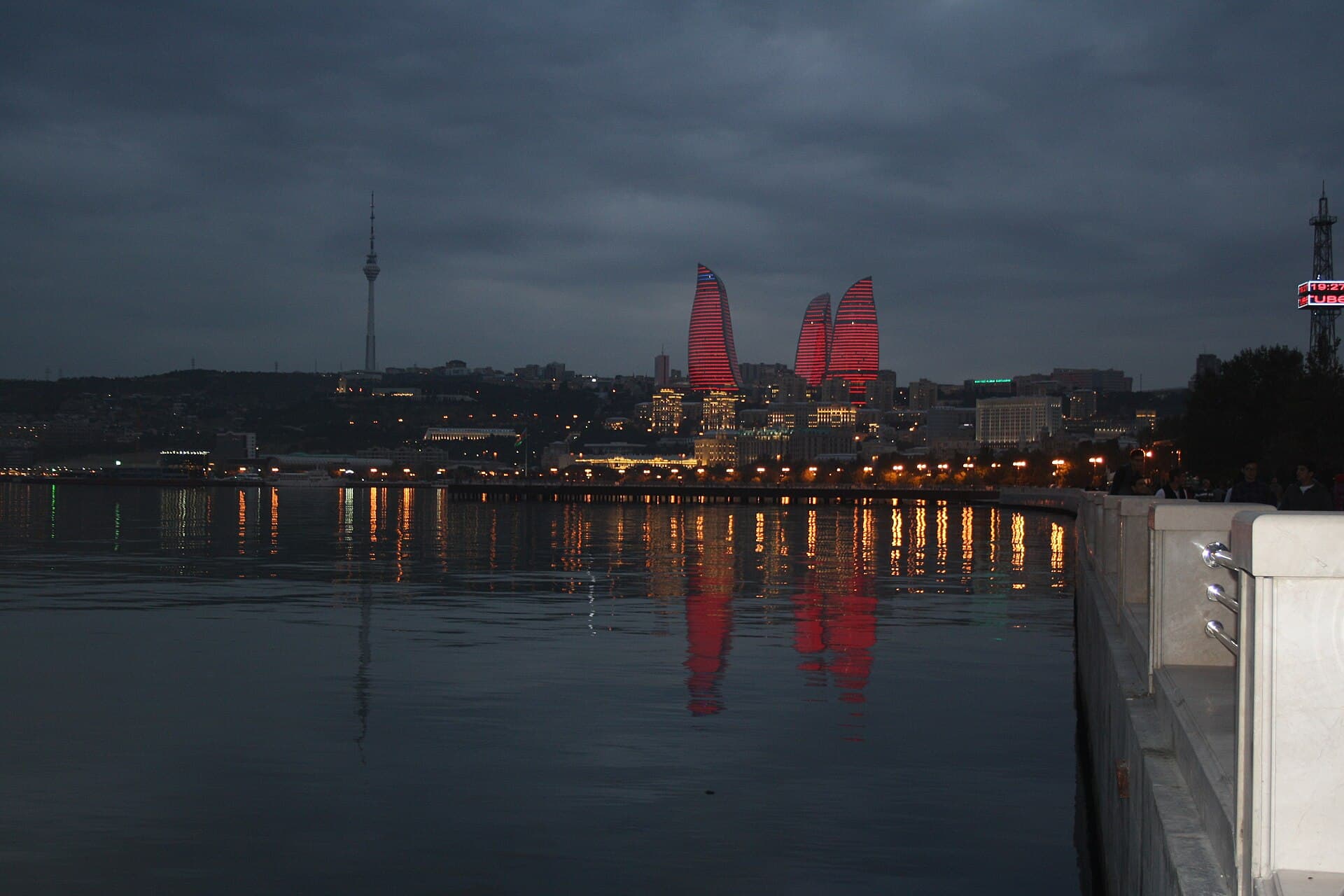
Among the foreign buyers active in Baku's property market, purchasers from Kazakhstan, Uzbekistan, and neighboring Central Asian countries occupy a distinct position. Unlike buyers arriving from Western Europe or the Gulf, many Central Asian buyers encounter a market that already feels partly familiar - linguistically, administratively, and culturally. This article looks at why that is, and what typically drives interest in Azerbaijani property from this region.
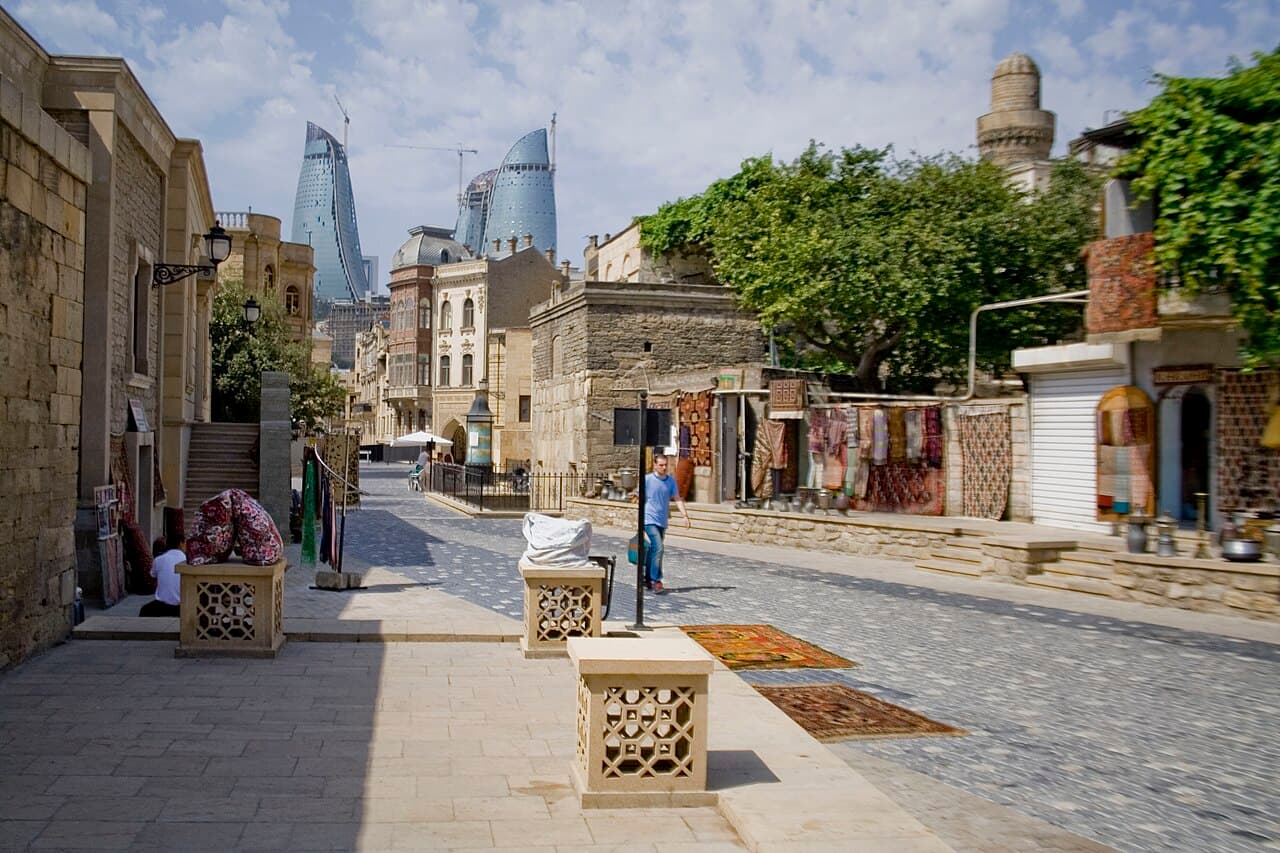
A Shared Linguistic Family
Azerbaijani belongs to the Turkic language family, in the same Oghuz branch as Turkish and Turkmen. Kazakh and Uzbek belong to other Turkic branches (Kipchak and Karluk, respectively), and while they are not mutually intelligible with Azerbaijani in the way that, say, Spanish and Portuguese overlap, the shared grammatical structure, historical vocabulary layers, and general linguistic instincts mean that many Central Asian visitors find Azerbaijani easier to get a feel for than an unrelated language would be. This is a soft advantage rather than a practical shortcut - contracts, notarial documents, and the property registry all operate in Azerbaijani, and formal transactions still require professional translation - but it does lower the psychological distance for buyers who might otherwise find a foreign legal and administrative environment intimidating.
Institutional Ties: The Organization of Turkic States
Azerbaijan is a founding member of the Organization of Turkic States (OTS), alongside Kazakhstan and Uzbekistan, with several other Central Asian and Turkic-speaking countries holding member or observer status. The organization coordinates cooperation across trade, transport, culture, and education among member states. For property buyers, the relevance is indirect but real: growing institutional cooperation tends to correlate with eased business travel, more direct commercial channels, and a general normalization of cross-border investment between member economies. Azerbaijan's active role in this bloc is one signal, among several, that ties between it and Central Asia are deepening rather than incidental.
Trade, Logistics, and the Middle Corridor
Economic ties between Azerbaijan and Central Asia have strengthened considerably in recent years, driven in large part by the Middle Corridor (also called the Trans-Caspian International Transport Route), which links China and Central Asia to Europe via the Caspian Sea, Azerbaijan, and Georgia or Turkey. As alternative routes through Russia have become less attractive to many shippers, the Middle Corridor has drawn growing volumes of freight, and with it, growing commercial engagement between Azerbaijani and Central Asian logistics, trading, and energy companies. This is gradually building a layer of business travel and cross-border commercial relationships between Baku and cities like Almaty, Astana, and Tashkent - the kind of ongoing business contact that often precedes personal investment decisions, including in real estate.
Getting There
Baku is reasonably well connected to major Central Asian hubs. Azerbaijan Airlines and regional carriers operate flights linking Baku with cities including Almaty, Astana, and Tashkent, and connections through Baku's Heydar Aliyev International Airport are a practical option for travel further into the Middle East, Turkey, or Europe. Buyers considering a second home or an income property should check current flight schedules directly with airlines, as frequencies and routings change, but the broad picture is one of workable, non-exotic travel between the two regions rather than a multi-leg, multi-day journey.
How Baku Compares to Almaty or Tashkent
For buyers benchmarking against home markets, Baku often reads as offering more property for the money at the upper end, alongside a different lifestyle proposition entirely. Almaty commands relatively high prices for well-located, newer stock, while Tashkent has seen substantial new development and price growth in its own right. Baku's advantage for many Central Asian buyers isn't necessarily raw affordability - it varies by segment and neighborhood - but the combination of a Caspian Sea coastline, a walkable and increasingly modern city center, and a market that functions as a genuinely different jurisdiction for capital diversification purposes. For buyers whose wealth and business interests are concentrated in one home economy, holding a property asset in a separate currency and legal system in a neighboring, culturally accessible country carries appeal beyond the numbers alone.
Familiar Bureaucratic Instincts
Azerbaijan, Kazakhstan, and Uzbekistan share a Soviet administrative and legal legacy: centralized property registries, a strong role for notarization in validating transactions, and a document-driven, procedural approach to registering ownership. Buyers who have navigated property purchases or business registration in Almaty, Astana, Tashkent, or Nur-Sultan often find the general shape of the Azerbaijani process - notarized contracts, a state real estate register, layered permit and certification requirements - more predictable than buyers arriving from common-law jurisdictions where conveyancing works quite differently. This does not remove the need for local legal advice, since the specific rules, timelines, and required documents differ meaningfully from country to country, but the underlying bureaucratic culture tends to feel less foreign.
What This Buyer Segment Tends to Look For
In practice, Central Asian buyers active in the Baku market tend to split into a few recognizable profiles: business owners with existing trade or logistics ties to Azerbaijan looking for a local base or pied-à-terre; investors seeking a second jurisdiction to diversify assets outside their home currency; and buyers drawn by Baku's coastal and Old City appeal for a family second home. Price sensitivity varies accordingly - trade-linked buyers often prioritize practical, well-connected apartments near business districts, while lifestyle-driven buyers weight sea views, White City-area developments, or older Baku neighborhoods with character more heavily than yield alone.
As with any cross-border purchase, the specifics - current visa and residency requirements, currency transfer rules, and tax treatment - should be verified with official Azerbaijani sources and a qualified local lawyer before proceeding, since regulations affecting foreign buyers can change and vary by nationality and transaction structure.
For more on Azerbaijan's ambitions as a regional logistics hub, see this article from Merkaz Hanechasim on the Silk Road corridor.
For the general legal framework - what a foreigner may buy in Azerbaijan, the purchase process and the costs - see the guide to buying property in Azerbaijan for foreigners.
Legal & tax mattersBuying Property in Azerbaijan: A Guide for Foreigners
What a foreigner may and may not buy in Azerbaijan, how the notary and land registry process works, which costs actually apply, and why owning a flat differs from owning land
Read more → Legal & tax matters
Buying Property in Baku Remotely: Doing It Properly
Can you buy a property in Baku without flying — power of attorney, a local representative, virtual tours, independent verification and the risks you must know
Read more →Legal & tax mattersBaku Mortgages and Housing Credit: Market State 2026
The Azerbaijani mortgage market — state-subsidised programmes, interest rates, access for foreigners and how credit expansion affects housing prices in Baku
Read more →