A Guide for Iranian Buyers to Azerbaijan Real Estate
Published on 2026-07-28 · 5 min read
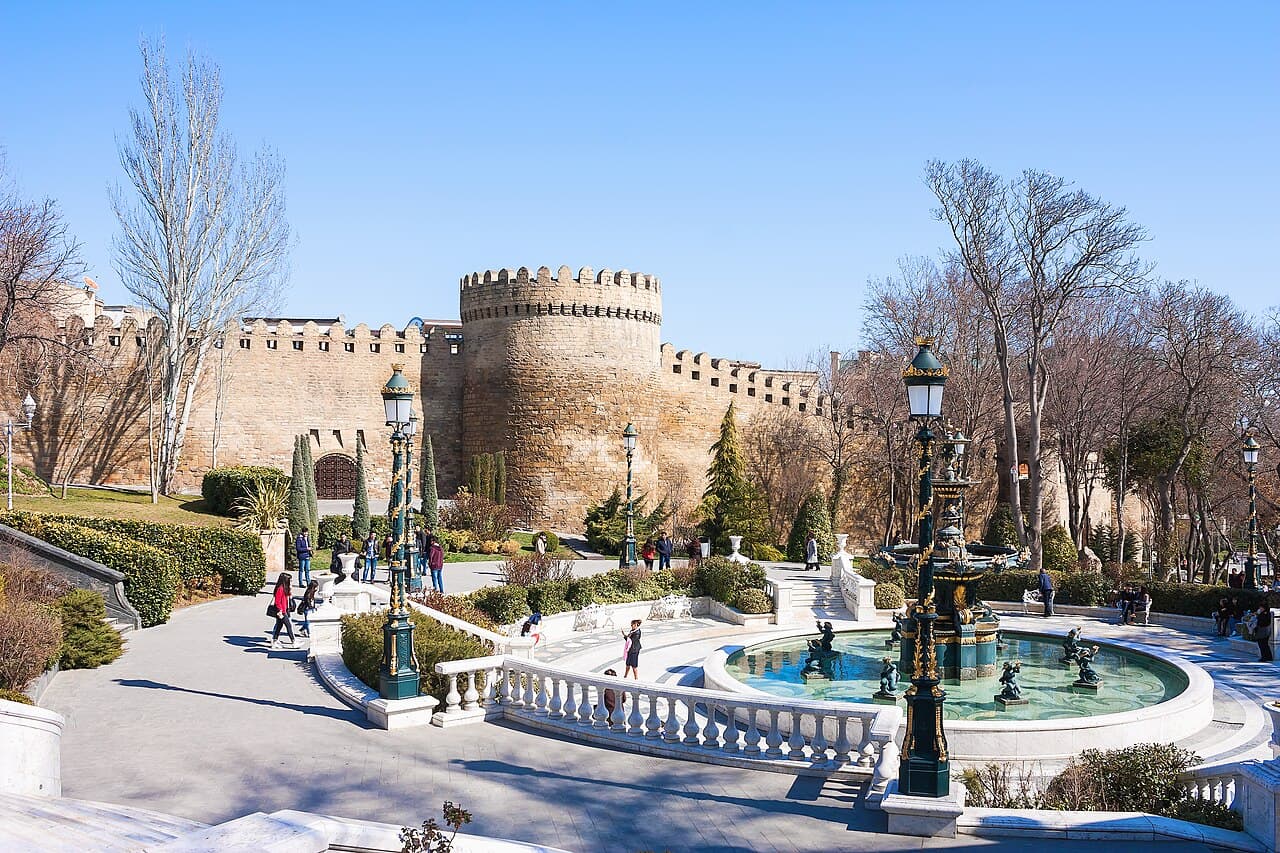
Iranian nationals form one of the more distinctive buyer profiles in Azerbaijan's real estate market, for reasons that have little to do with price and everything to do with geography, language, and decades of cross-border movement. Understanding these factors helps explain both the appeal of Baku to Iranian buyers and the practical steps that differ from a typical purchase by a buyer from farther afield.
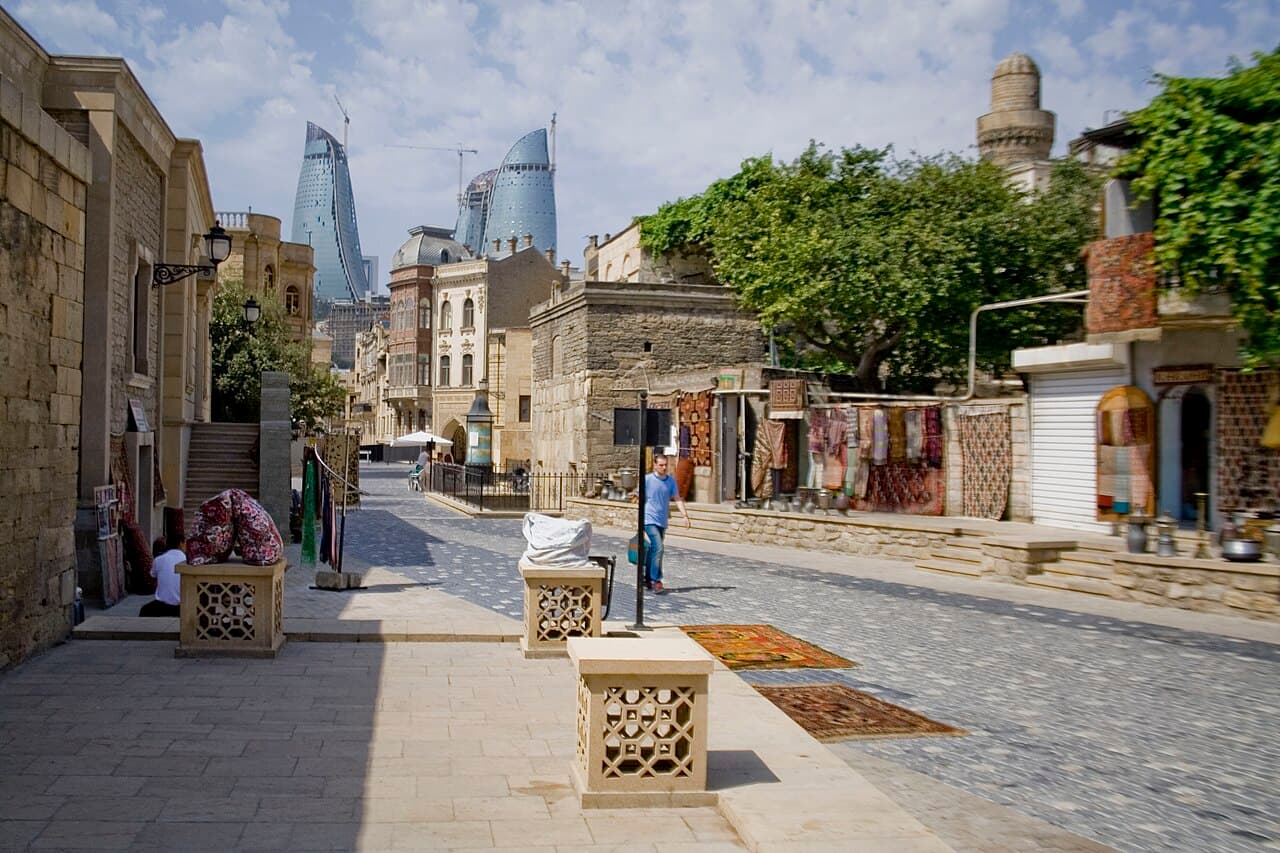
A Shared Border, Not Just a Shared Region
Iran and Azerbaijan share a land border, with crossings such as Astara on the Caspian coast serving as long-established points of transit between the two countries. For a buyer based in Tehran, Tabriz, or Iranian Azerbaijan, this means a property in Baku is not necessarily a long-haul destination reached only by international flights. Depending on the specific route, travel can be done overland or via short regional flights, which materially changes how often an owner might realistically visit a second home, check on a rental unit, or attend to paperwork in person. This is a meaningful practical distinction from a European or North American buyer, for whom every visit is a multi-leg trip.
Linguistic and Cultural Familiarity
Azerbaijani is a Turkic language closely related to the Azerbaijani-Turkic dialects spoken by the large ethnic Azerbaijani population within Iran, concentrated mainly in the provinces of East Azerbaijan, West Azerbaijan, and Ardabil. For Iranian buyers of Azerbaijani-Iranian background in particular, this creates a level of linguistic comfort in Baku that most foreign buyers simply do not have — the ability to read signage, negotiate directly with a seller or agent, and follow the general rhythm of daily life without relying entirely on a translator. Cultural overlap extends beyond language to food, music, and social customs, all of which tend to make the adjustment to owning or spending time in Baku considerably smoother than for a buyer arriving from a culturally distant market.
Existing Trade and Personal Ties
Iran and Azerbaijan maintain an active cross-border trade relationship, and this has produced years of accumulated business contact between the two countries — merchants, transport operators, and service providers who already move goods and people across the border regularly. For many Iranian buyers, a property purchase in Baku is not a first point of contact with the country but an extension of existing business relationships or family and community connections that predate the transaction itself. This existing familiarity often shows up in practical ways: buyers frequently already know which neighborhoods are popular among the Iranian community, have contacts who can recommend a lawyer or agent, and have a general sense of local pricing before they ever start formally looking.
Payment and Banking: What to Verify, Not Assume
This is the area where Iranian buyers most need individualized, current professional advice rather than general expectations carried over from other markets. Iran's international banking connectivity is affected by international sanctions frameworks that have shifted over time and continue to evolve, and the practical mechanics of transferring purchase funds into Azerbaijan can differ significantly from the process available to buyers from countries without similar restrictions. Rather than assuming any particular payment channel is available — or unavailable — it is essential to confirm the current, specific arrangements with a qualified financial adviser, a lawyer experienced in cross-border transactions involving Iranian clients, and up-to-date official guidance from relevant banking institutions before committing to a purchase. This due diligence should happen early in the process, ideally before signing any preliminary agreement, since the ability to complete payment on the agreed timeline is fundamental to any transaction.
Entry and Residency Considerations
Visa and entry requirements between Iran and Azerbaijan, as well as any residency implications tied to property ownership, should likewise be confirmed directly against current official sources rather than assumed based on general regional patterns or past experience. These rules can change, and a buyer's specific circumstances — including dual nationality, prior travel history, or intended length of stay — can affect what applies. A local immigration lawyer or the relevant consular authority is the appropriate first stop for this information.
A Different Ownership Profile
Taken together, geographic proximity, linguistic ease, and existing personal networks give Iranian buyers a genuinely different relationship to a property in Baku than a buyer purchasing the same unit from Western Europe or North America. Where a distant investor typically treats an Azerbaijani apartment as a passive, professionally managed asset, an Iranian buyer is more often able to visit personally for maintenance, seasonal use, or hosting family, and to handle some administrative matters directly rather than exclusively through a property manager. This shifts the calculation: the property can function as a genuine second home or a semi-active investment rather than a purely hands-off holding.
What This Buyer Segment Tends to Look For
In practice, Iranian buyers in the Baku market show a fairly consistent set of preferences: mid-range apartments in central or seafront-adjacent neighborhoods that offer both livability for personal use and reasonable rental demand; proximity to areas already popular within the Iranian and broader Persian-speaking community, which eases both social integration and resale; and a preference for finished, move-in-ready units over long-horizon off-plan developments, given the value placed on being able to use the property relatively soon after purchase. Price sensitivity tends to be moderate rather than extreme — buyers are generally comparing Baku favorably against property costs in Tehran or northern Iran rather than against Gulf or European luxury markets, which shapes what counts as good value.
As with any cross-border purchase, the core legal and tax rules described in our general foreigners' guide to buying property in Azerbaijan still apply in full. What differs for Iranian buyers is largely the surrounding context — how the trip is made, how the neighborhood feels, and how carefully the payment mechanism needs to be verified in advance. None of the information above constitutes legal, tax, or immigration advice; buyers should work with qualified professionals familiar with current Iranian-Azerbaijani cross-border practice before proceeding.
Legal & tax mattersBuying Property in Azerbaijan: A Guide for Foreigners
What a foreigner may and may not buy in Azerbaijan, how the notary and land registry process works, which costs actually apply, and why owning a flat differs from owning land
Read more → Legal & tax matters
Buying Property in Baku Remotely: Doing It Properly
Can you buy a property in Baku without flying — power of attorney, a local representative, virtual tours, independent verification and the risks you must know
Read more →Legal & tax mattersBaku Mortgages and Housing Credit: Market State 2026
The Azerbaijani mortgage market — state-subsidised programmes, interest rates, access for foreigners and how credit expansion affects housing prices in Baku
Read more →