The Seasonal Calendar of Baku Tourism and What It Means for Rental Pricing
Published on 2026-08-06 · 3 min read
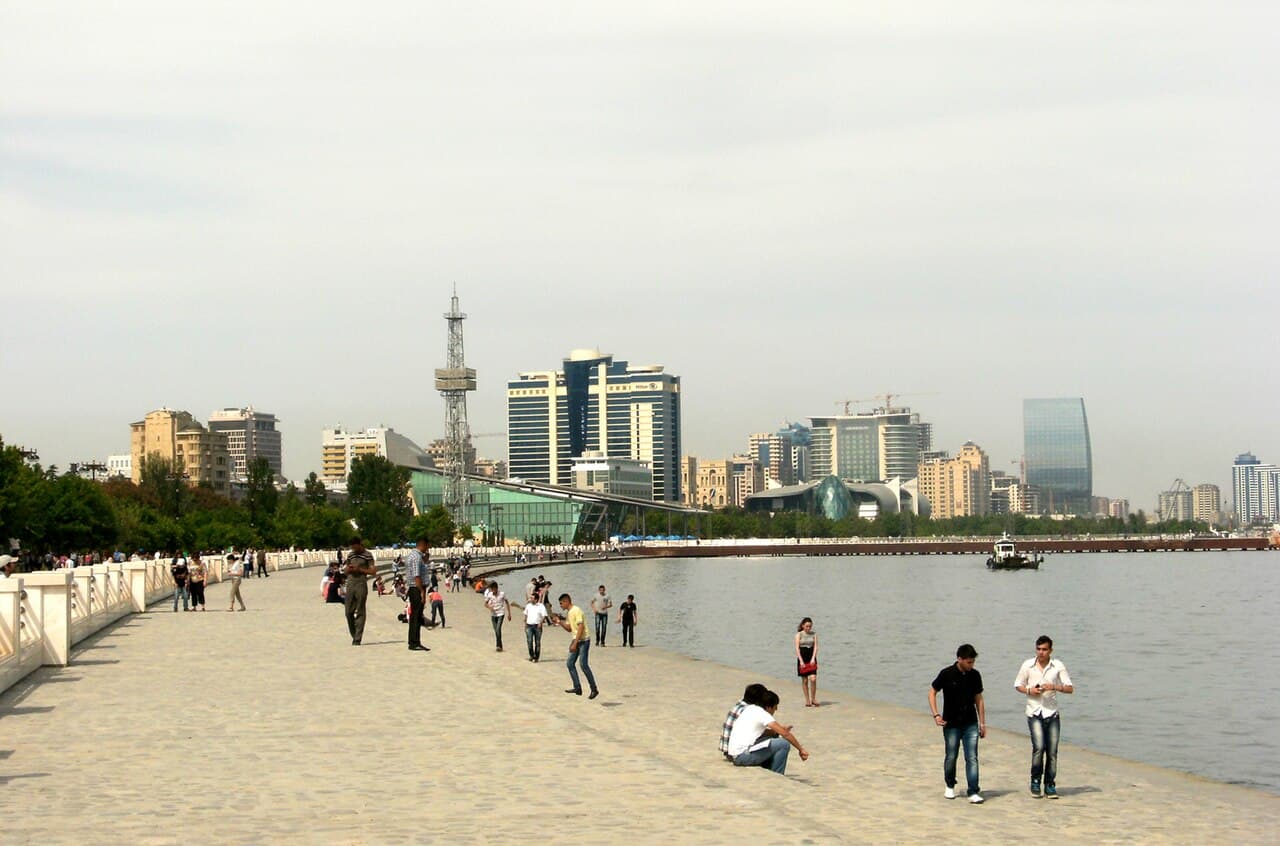
Azerbaijan's tourism calendar isn't one season - it's several, layered across different regions and climates that peak at different times of year. For an owner managing a short-term rental in Baku or in one of the country's resort regions, understanding which calendar applies to which property is the difference between pricing a unit correctly and leaving money on the table for half the year.
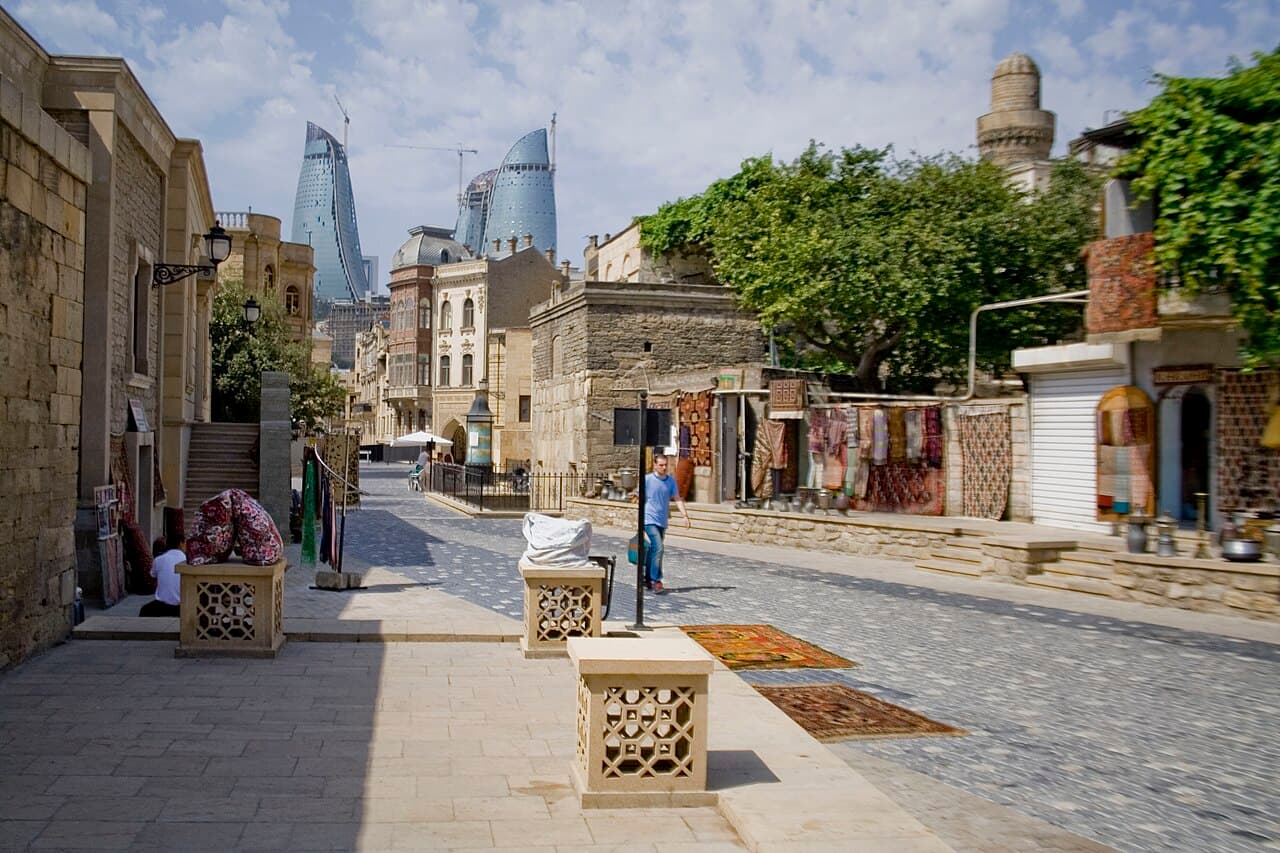
Summer: The Caspian Coast Takes Over
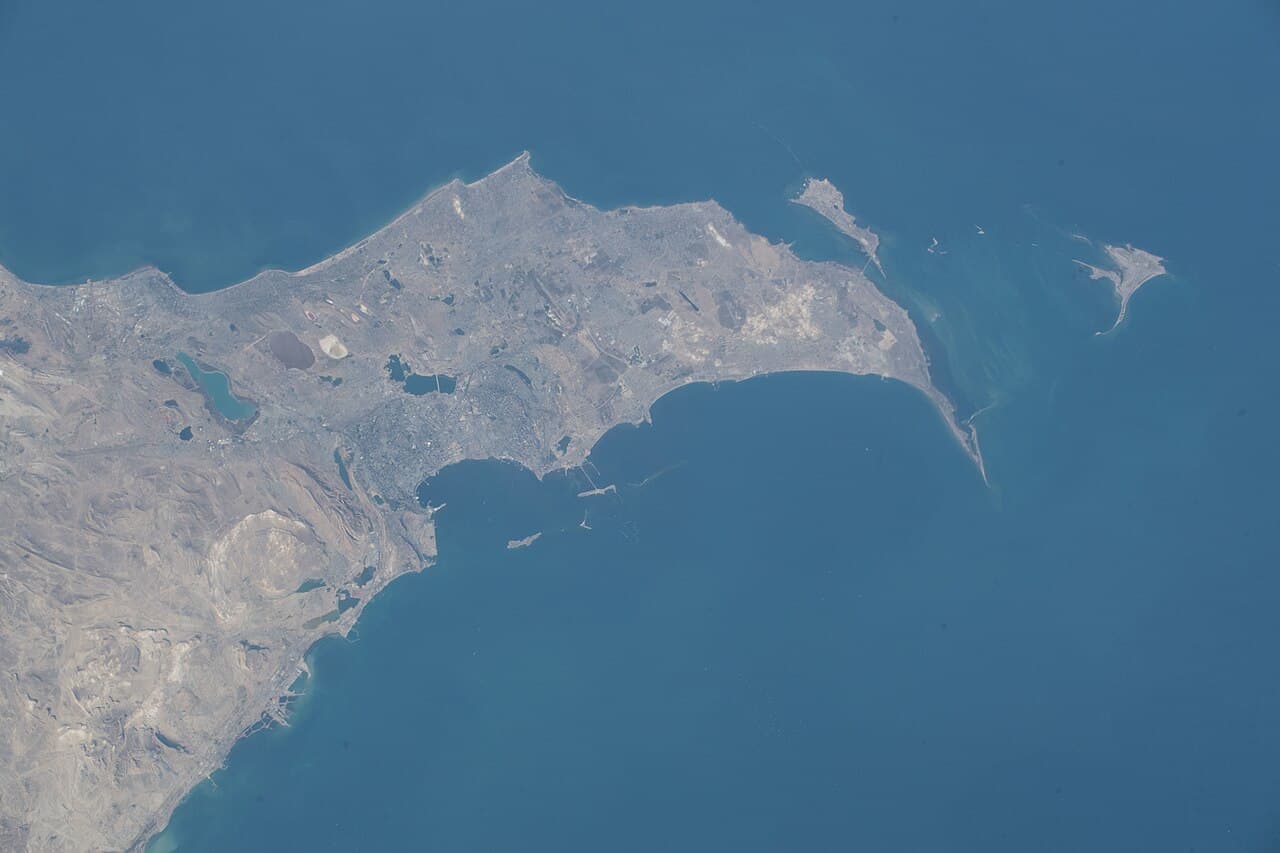
From roughly June through August, demand shifts toward the coast. Baku itself turns hot and dry - summer temperatures regularly reach the mid-30s Celsius - which pushes both domestic and regional visitors toward the beach belt: the Absheron Peninsula's coastal villages just outside the city, Nabran in the north, and to a lesser extent the milder Lankaran coast in the south. This is the single strongest season for Nabran in particular, where the local rental and hospitality economy is built almost entirely around these three to four months. Baku's own city-center rental market stays active through summer as well, supplemented by international visitors, but the sharpest occupancy and price gains in this window happen outside the capital, along the coast.
Winter: Gabala and Shahdag Take Over From the Coast
As the coastal season winds down, demand shifts to the mountains. Gabala, with the Tufandag ski resort, and Shahdag in Qusar district are Azerbaijan's two established winter sports destinations, with a ski season that typically runs from December into March depending on snowfall. This is effectively a mirror image of the summer coastal calendar - a different region, a different climate, and a different guest profile (skiers and winter-break travelers rather than beachgoers) filling the demand gap left when the Caspian coast goes quiet. For owners with properties in Gabala or Shahdag, winter is the primary earning season, just as summer is for Nabran.
Spring and Autumn: Baku's Own High Season
Baku city itself doesn't really peak in summer the way the coast does - the heat works against it. Instead, the shoulder months of April-May and September-October tend to be the strongest period for city-center tourism: mild, comfortable weather for walking Icherisheher and the Boulevard, and a natural window for international visitors combining Baku with side trips to the wine region around Shamakhi or the historic towns of Sheki and Ganja. These months also pick up a boost from Novruz, the spring festival in late March that drives a wave of domestic travel and family visits. For an owner with a Baku city-center apartment, spring and autumn - not summer - are often the strongest planning windows for both occupancy and achievable nightly rates.
The One-Off Spike: Major Events
Layered on top of the regular seasonal pattern are occasional sharp, short-lived demand spikes tied to specific events - the Formula 1 Azerbaijan Grand Prix in June being the clearest recurring example, alongside occasional large conferences and international gatherings that Baku periodically hosts. These spikes are narrow (days, not weeks) but intense, and they don't follow the logic of the broader seasonal calendar - a June race week can outperform every other week of the summer combined for a property near the circuit, even though June itself is only a moderately strong month by the coast's own standards.
Building a Pricing Strategy Around the Calendar
The practical implication for owners is that Azerbaijan's various regions don't compete with each other for demand so much as complement each other across the year. A portfolio spread across Baku city, a coastal property, and a mountain property would in theory see occupancy peaks in three different seasons rather than one shared peak and shared troughs. For an owner with a single property, the more useful exercise is matching pricing strategy to the specific calendar that actually governs that location - a Baku apartment should be priced around spring and autumn strength with a summer dip, a Nabran property should treat June through September as the entire earning year, and a Gabala or Shahdag unit should be priced primarily around the December-to-March window, with modest secondary demand from the shoulder seasons when both properties see hiking and nature tourism rather than skiing.
 Living & visiting guide
The Absheron Peninsula Water Quality Map
What the Ministry of Ecology's monitoring found suitable and what it did not, why the infrastructure list and the test results disagree, and how the Khazri wind changes things
Read more →Living & visiting guideWhy You Can't Swim in Baku Bay — and Where You Can
Swimming is banned in Baku Bay and Shikhov closes most summers, while the northern Absheron beaches stay clean. Here is why, and how to check before you go in
Read more →Living & visiting guideBaku Beaches: A Practical Guide to the Coast
Bilgah, Buzovna, Mardakan, Novkhani and Amburan - what to expect at each beach, how to get there, and why some charge entry when the law says they are free
Read more →