Buying Property Near Shahdag: A Guide to Azerbaijan's Ski Real Estate
Published on 2026-07-23 · 4 min read
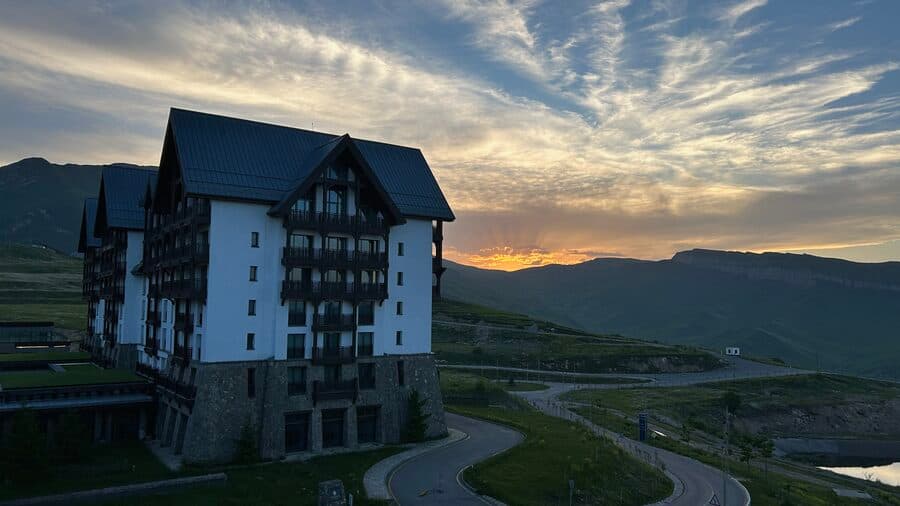
Since Shahdag Mountain Resort opened near Qusar in 2012, a small but steadily growing property market has formed around its base village and the surrounding town — apartments, chalets, and branded residences aimed at both Azerbaijani weekend visitors and a smaller pool of foreign buyers drawn by prices that would be unthinkable in an established European ski market. It's a narrower, more specialized segment than Baku's city apartment market, with its own rhythms and risks.
Types of Development
The core of the market is mid-rise resort apartment buildings clustered near the base station and lift lines, typically sold as furnished or semi-furnished studios and one- to two-bedroom units aimed at short-stay renters rather than full-time residents. A second tier consists of standalone chalets and townhouses on hillside plots slightly removed from the lift base, offering more space and privacy at a higher price point. Several developments are tied directly to hotel operators active at the resort — branded residence-style units bundled with a rental management program run by the hotel — while other buildings are independent, sold by local developers without that institutional backing. Beyond the resort core, Qusar town itself has a smaller but cheaper stock of apartments and land, appealing to buyers who want proximity to Shahdag without paying the resort premium.
Rental Yield from Ski Season Tourism
Demand is heavily seasonal and concentrated in a roughly four-month winter window from December through March, with the New Year period and school holidays commanding the highest nightly rates by a wide margin. Renters are mostly domestic Azerbaijani visitors from Baku, along with a regional mix from Russia, Georgia, and the Gulf. Summer brings a smaller secondary wave of heat-escaping visitors and hikers, but it doesn't come close to matching winter demand. This makes yields lumpier than in Baku's city rental market: a well-located, well-managed unit can post strong gross returns during peak weeks but sit largely empty on winter weekdays and through most of the off-season, which pulls the annualized figure down. Local agents typically cite achievable gross yields in the mid-to-high single digits for actively managed units in a rental pool, with materially lower returns for owners who don't actively market the property outside peak periods.
Price Comparison: Shahdag vs the Alps
The clearest argument for Shahdag as an investment is price. A one- or two-bedroom apartment near the lifts that might run 300,000 to 500,000 euros or more in a mid-tier French or Austrian resort can often be bought near Shahdag for a small fraction of that figure. The gap reflects decades of accumulated land cost, construction cost, and brand premium in the established Alpine markets, none of which apply yet to a resort barely more than a decade old. The trade-off is real, though: Alpine resorts have deep, liquid rental markets with long operating histories, established international demand, and infrastructure built up over generations, none of which Shahdag can currently match. This is a value and frontier-market proposition rather than a substitute for buying into an established Alpine resort — the appeal is low entry cost and a growing domestic tourism base, not an equivalent asset at a discount.
Practical Notes for Distant Owners
Owners who don't live nearby should plan around the resort's seasonal swings from the start — a unit left unmanaged outside peak winter weeks will simply sit empty, so active listing and pricing across the season matters more here than in a steady year-round city rental. Road access from Baku via the Guba-Qusar highway is generally maintained through winter, but heavy snow or storms can slow or briefly close sections near the resort itself, and it's worth confirming a specific building's winter maintenance and plowing arrangements before buying rather than assuming the resort handles it uniformly. Developments tied to a hotel brand typically offer turnkey rental-pool management, which simplifies absentee ownership considerably but takes a cut of revenue in exchange; owners of independent buildings should budget for a local caretaker or rental agent instead. Utilities and heating costs at altitude run higher than in Baku, and foreign buyers are subject to the same national ownership and currency rules that apply elsewhere in Azerbaijan, which is worth confirming with local counsel before committing.
Who It Suits
Shahdag property tends to suit buyers looking for a low-cost entry into a growing domestic tourism market rather than a core investment holding — a second-home purchase for personal ski trips that can also generate rental income in peak weeks, or a small speculative position on the continued growth of Azerbaijani winter tourism. It's less suited to investors expecting steady, predictable year-round yield or the liquidity of an established resort market.
Takeaway
Shahdag offers a genuinely low entry point into ski property compared with the Alps, but that price gap exists for real reasons — a smaller, younger, more seasonal market with less rental infrastructure and liquidity. For buyers who understand that trade-off and manage the seasonality actively, it's a plausible value play; for those expecting an Alpine-style asset at a discount, it's a different product entirely.
 Azerbaijan cities & regions
Absheron's Oilfields: From Contaminated Land to Regeneration
Tens of thousands of hectares left contaminated by the Soviet oil era, a World Bank rehabilitation programme, and the White City built on the Black City
Read more → Azerbaijan cities & regions
Buying Near Tufandag: Real Estate at Gabala's Ski Resort
Chalets, hotel-apartments and two seasons of demand - what buyers should know about property near Gabala's mountain resort
Read more → Azerbaijan cities & regions
Buying Property in Sumgayit: A Practical Guide
Lower prices than Baku, Soviet-era apartment stock, and a market driven by industry and commuters - what to know before buying real estate in Sumgayit
Read more →