A Turkish Buyer's Guide to Property in Azerbaijan
Published on 2026-07-28 · 4 min read
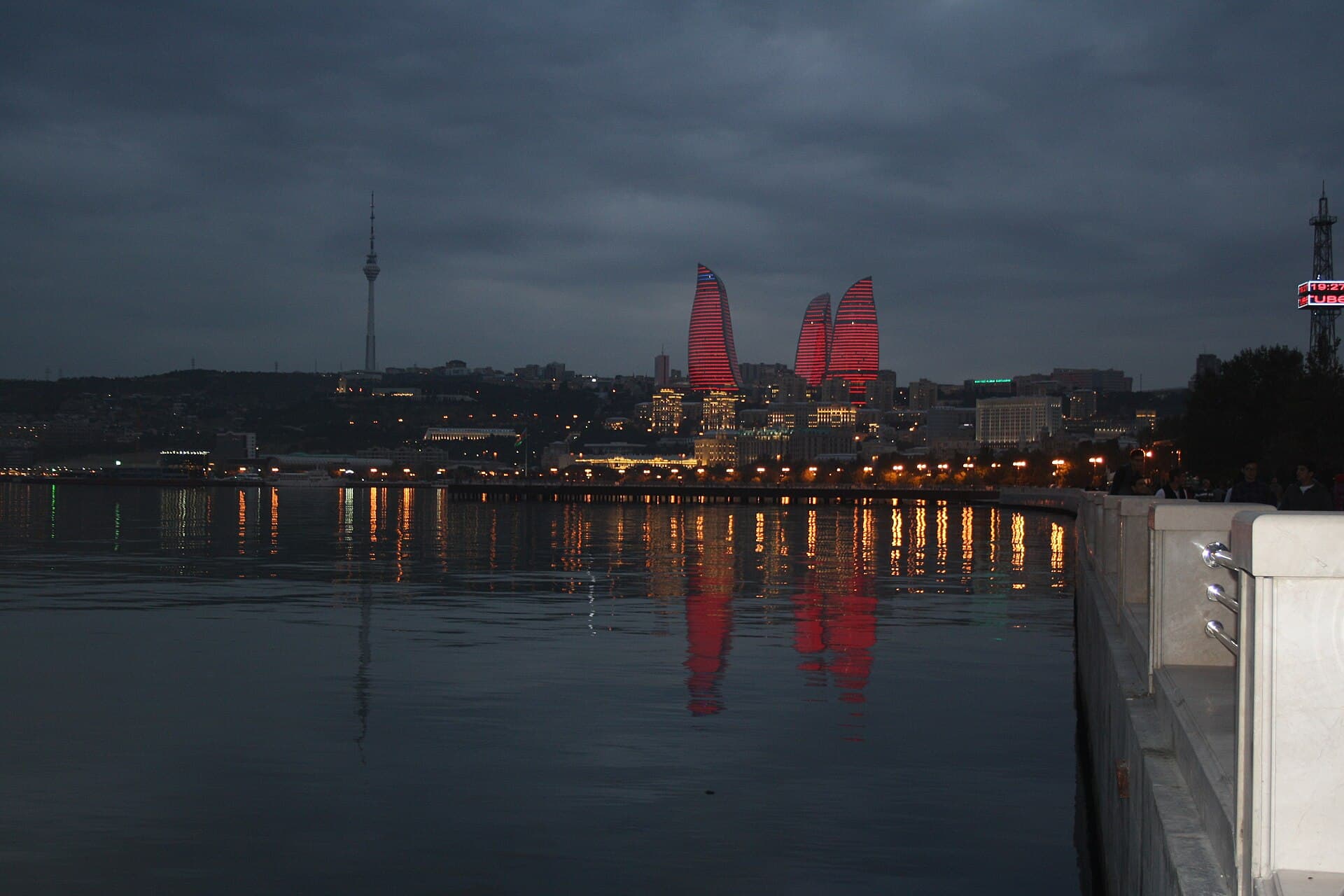
Of all foreign buyers in the Azerbaijani property market, Turkish citizens arguably face the fewest cultural and practical barriers. The two countries are frequently described - including by their own leaders - with the phrase "one nation, two states," and that closeness translates into concrete, practical advantages for a Turkish buyer navigating a purchase in Baku.
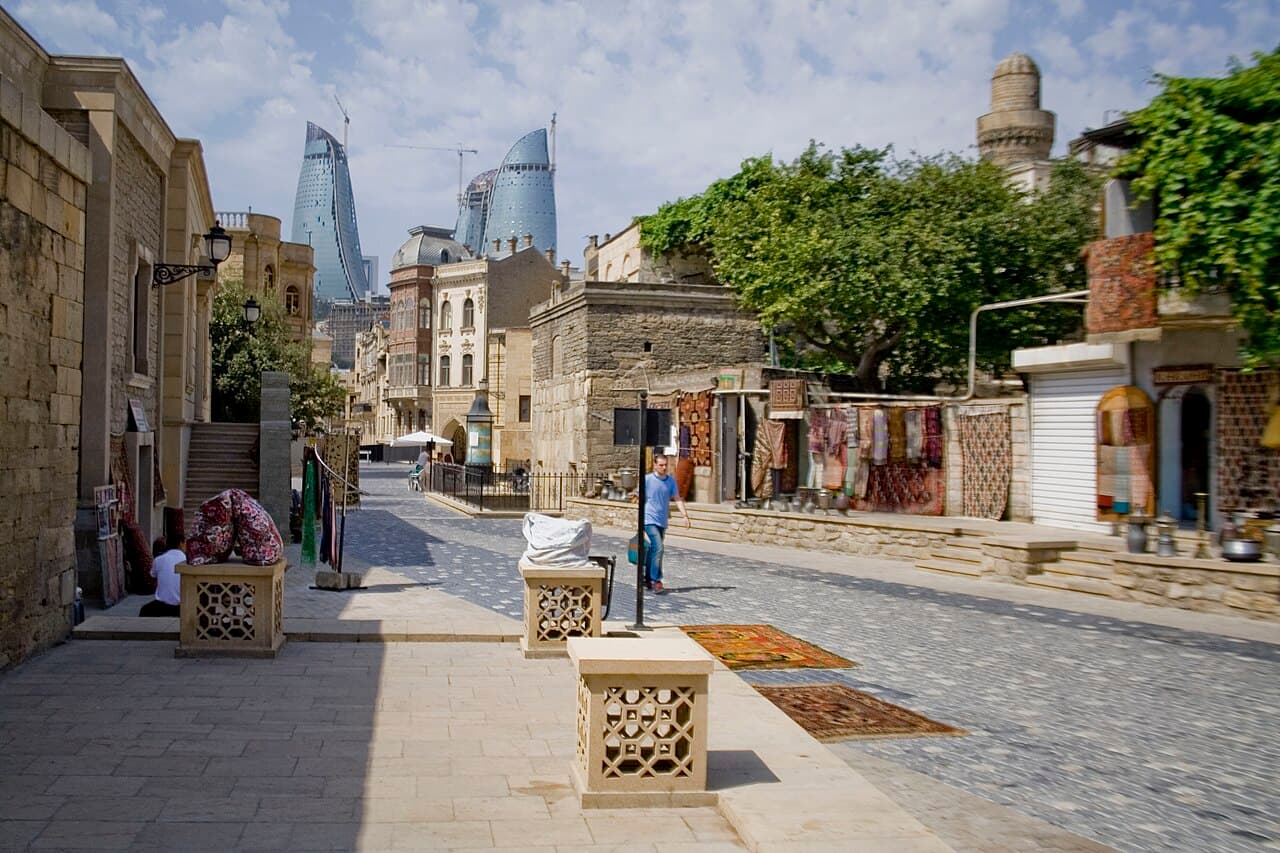
A Language You Can Actually Understand
Turkish and Azerbaijani are both Oghuz Turkic languages, and while they are not identical, they are close enough that speakers of one can generally follow the other with a reasonable degree of comfort, especially in written form and formal registers. This is a meaningfully different starting point than what almost any other foreign buyer has. It means a Turkish buyer can often read a preliminary contract, a building's internal rules, or a municipal notice and grasp the gist without a translator - though for anything legally binding, using a qualified bilingual lawyer to confirm precise legal terminology is still strongly recommended, since subtle differences in legal vocabulary between the two languages can matter.
Business and Construction Presence Already on the Ground
Turkish companies have played an outsized role in Azerbaijan's construction and development sector for decades, and many of Baku's residential towers, shopping centers, and infrastructure projects have been built by Turkish contractors or in partnership with them. This matters for a Turkish buyer in a few practical ways: developer names and construction quality standards may already be familiar from the Turkish market, some sales offices and developer teams include Turkish-speaking staff as a matter of course, and there is a broader ecosystem of Turkish-run businesses, restaurants, and services in Baku that makes daily life feel less foreign.
Flights and Travel
Baku is well connected to Turkey with frequent direct flights from Istanbul and other major Turkish cities, typically in the 2 to 2.5-hour range. Turkish citizens have historically enjoyed simplified entry arrangements to Azerbaijan given the closeness of the bilateral relationship, though exact visa and entry requirements can be updated, so it's worth confirming the current rules directly with the Azerbaijani consulate or an official source before travel.
Cultural and Religious Familiarity
Beyond language, Turkish buyers generally find day-to-day cultural norms in Azerbaijan - food, social customs, and the practice of Islam as the majority religion in a broadly secular public life - closely aligned with what they know at home. This reduces the adjustment period for buyers considering part-time living or relocation, and it is one reason Azerbaijan features regularly in Turkish media and investment circles as a natural extension market rather than a distant one.
What Turkish Buyers Tend to Look For
Turkish buyers in the Baku market range from investors familiar with the Turkish real estate cycle looking for markets that haven't yet experienced the price run-up seen in Istanbul over the past decade, to business owners establishing a footprint in Azerbaijan who want a residence to accompany commercial activity. Because Turkish buyers often already understand construction quality and developer reputations from their home market, they tend to be relatively discerning about build quality and finishing standards, and comfortable evaluating off-plan projects - a segment where Turkish developers are frequently the ones building.
Legal and Tax Notes
Turkish citizens are subject to the same foreign ownership framework as other non-Azerbaijani buyers - there is no separate legal category or restriction specific to Turkish nationals for residential property purchase. Given the depth of the Turkey-Azerbaijan economic relationship, buyers with cross-border business interests should ask a local accountant about how property ownership interacts with any existing commercial structure in Azerbaijan, since many Turkish buyers already have a business or trade relationship with the country that a straightforward personal purchase should be coordinated with.
Bottom Line
For Turkish buyers, the practical case for Baku is less about arbitrage between two unfamiliar markets and more about extending a relationship that already exists - linguistically, commercially, and culturally. That familiarity doesn't remove the need for proper legal due diligence on any specific property or developer, but it does mean the learning curve most foreign buyers face is considerably shorter.
For a fuller picture of Azerbaijan's oil-driven economy and growth, see this guide from Merkaz Hanechasim.
For the general legal framework - what a foreigner may buy in Azerbaijan, the purchase process and the costs - see the guide to buying property in Azerbaijan for foreigners.
Legal & tax mattersBuying Property in Azerbaijan: A Guide for Foreigners
What a foreigner may and may not buy in Azerbaijan, how the notary and land registry process works, which costs actually apply, and why owning a flat differs from owning land
Read more → Legal & tax matters
Buying Property in Baku Remotely: Doing It Properly
Can you buy a property in Baku without flying — power of attorney, a local representative, virtual tours, independent verification and the risks you must know
Read more →Legal & tax mattersBaku Mortgages and Housing Credit: Market State 2026
The Azerbaijani mortgage market — state-subsidised programmes, interest rates, access for foreigners and how credit expansion affects housing prices in Baku
Read more →