The Baku Housing Supply Pipeline: Oversupply Risk
Published on 2026-09-08 · 4 min read
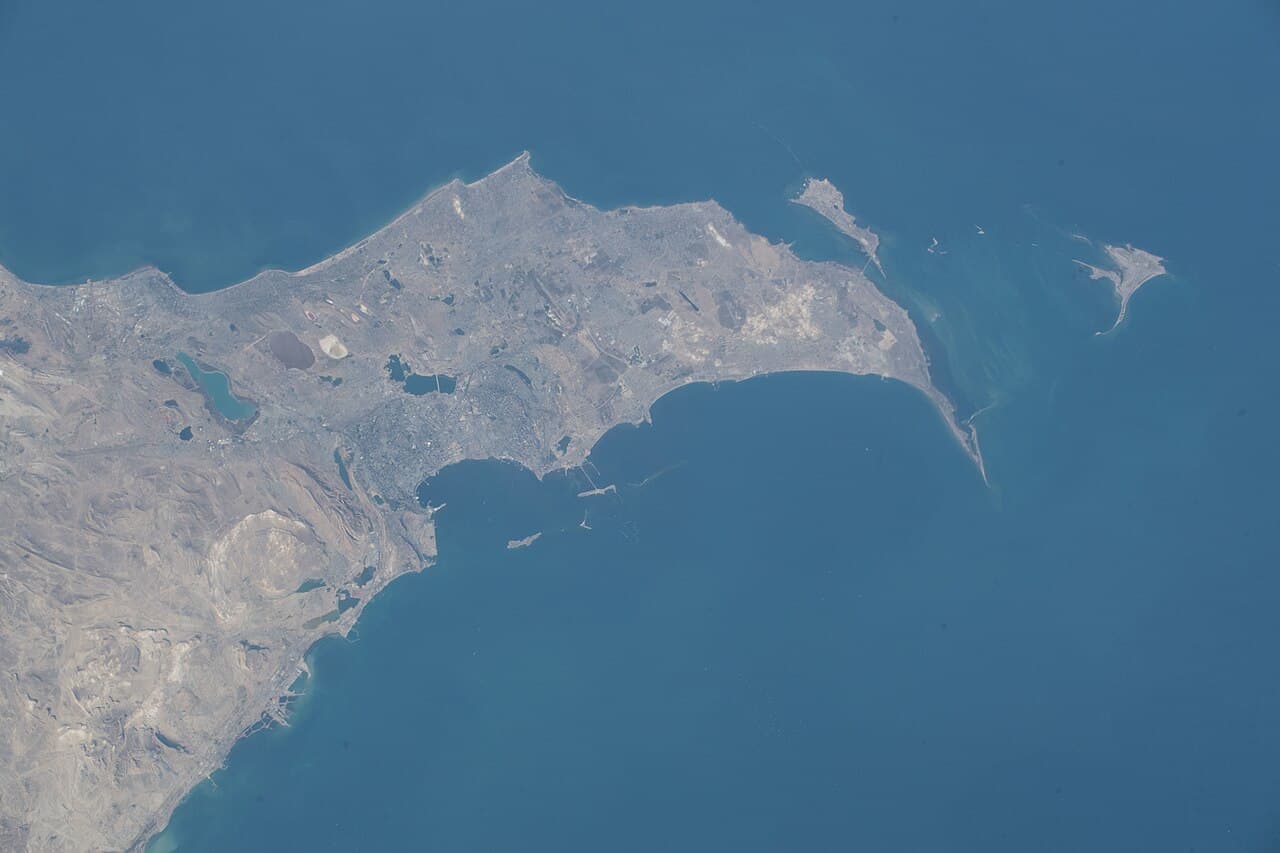
Most analyses of the Baku property market focus on demand: population growth, urbanisation, tourism, credit. The other side of the equation — supply — is barely discussed, and that is precisely where the risk most investors miss sits.
Why Supply Determines More Than Demand
In a market where demand grows 3% a year and supply grows 2%, prices rise. In exactly the same market, if supply grows 6%, prices fall — even though demand has not changed at all.
This is the mechanism that has knocked the Dubai market down in repeated cycles, and it is relevant to any market with significant construction activity. We expanded on the comparison in Baku versus Dubai.
The Position in Baku
In Baku, the construction pace is more moderate than Dubai's, and the market rests mainly on genuine domestic demand rather than foreign investors. That is a significant structural difference that reduces oversupply risk at the city level.
But at area level, the risk exists and is significant. Large projects are not spread evenly across the city — they concentrate in specific areas, and there supply can grow far faster than local demand.
Where the Concentrations Sit
Coastal development areas — this is the largest concentration of new projects, including large residential complexes on the Absheron Peninsula. These represent significant construction volumes in an area with relatively limited year-round demand and sharp seasonality. This is the area carrying the highest oversupply risk. We expanded on this in the Absheron Peninsula suburbs.
New urban development districts — new residential complexes on the fringe of the centre and in areas that have received infrastructure upgrading. Demand here is more genuine, but supply is also growing.
The city centre — new supply is limited by land constraints, which supports prices but also limits opportunities. We expanded on this in new developments in Baku.
How to Test Supply Risk Before Buying
This is the practical part. Before buying in a given area, carry out the following checks.
Count the projects — how many large residential projects are under construction within a two to three kilometre radius of the property? How many units in total?
Check handover dates — are they all completing in the same period? Concentrated handover of several projects in the same year is the most severe risk.
Compare with local market size — how many units sell in this area in a normal year? If the pipeline equals five years of sales, there is a problem.
Check how long properties sit on the market — if comparable properties in the area have been listed for many months without selling, that is a sign of existing oversupply.
The Effect on Rents, Not Only Prices
A point many miss: oversupply damages rents faster than sale prices.
The reason is that a landlord who cannot find a tenant cuts the price within weeks, while a seller can wait months. In an area where hundreds of new units have recently completed, competition for tenants pushes rents down — and with them yields — before sale prices react at all.
The Balancing Factor: Financing Programmes
The factor moderating supply risk in Baku is the expansion of housing credit. Local mortgage programmes, largely subsidised and directed at new housing, increase demand for precisely the new stock entering the market.
That is a genuine counterbalance — but it depends on policy. If financing programmes are scaled back while the construction pace continues, the equation will change quickly. We expanded on this in mortgages and housing credit in Baku.
Important Caveats
Construction pipeline data in Baku is not consolidated in an accessible public register. Estimating future supply rests on tracking developer announcements, building permits and trade publications — that is, on partial information.
In addition, projects are delayed, scaled down and sometimes cancelled. A declared pipeline is not the same as actual supply.
Summary
Oversupply risk in Baku is low at city level thanks to genuine domestic demand and a moderate construction pace, but high at the level of specific areas — particularly in the coastal development zones. For an investor, the important check is not how much is being built in the city but how much is being built within a two-kilometre radius of the property you are considering. That is analysis requiring local work, and it appears in no marketing presentation.
Related Articles
 Real estate investing
The Israel-Azerbaijan-US Triangle in 2026
An AI memorandum, an American strategic charter and talks on a trilateral format. What is actually new here, what was already in place, and what it means for buyers
Read more → Real estate investing
How Dependent Is Azerbaijan's Economy on Oil, Really?
The non-oil sector reaches 75.8% of GDP in 2026, but that share is rising for two different reasons. The official figures, the IMF's view, and what it means for buyers
Read more → Real estate investing
The Armenia-Azerbaijan Peace Deal: Where It Stands
The agreement was initialed in August 2025 but remains unsigned. What was agreed, what is blocking signature, what the Armenian election changed, and what it means for owners
Read more →