Best Coastal Towns Beyond Baku: A Buyer's Comparison Guide
Published on 2026-08-05 · 4 min read
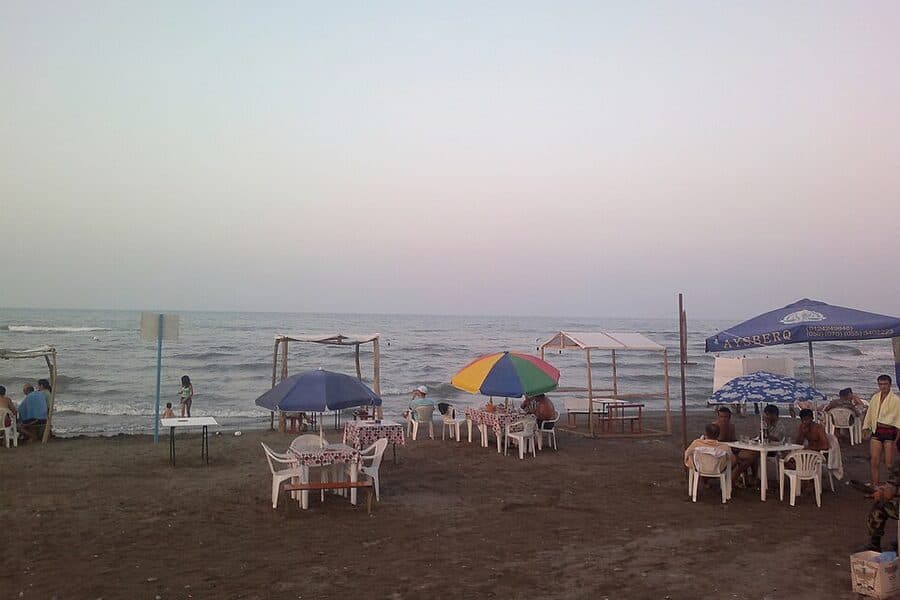
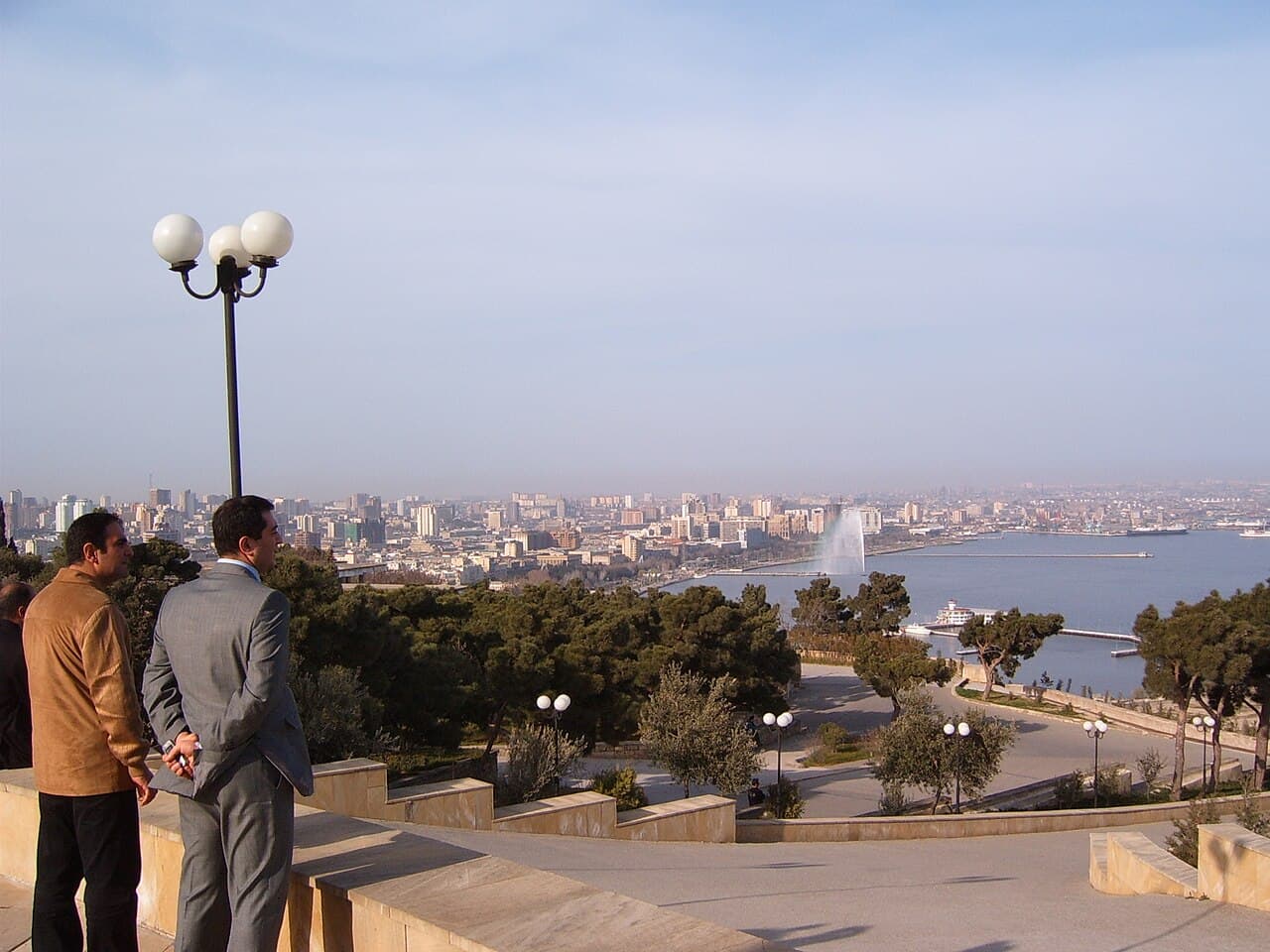
Baku's own seafront - the Boulevard, the bay, the developments rising along Neftchilar Avenue - gets most of the attention from buyers researching Azerbaijan's coast. But the country's actual beach culture, the kind built around sand, pine trees, and a summer season rather than a skyline, happens outside the capital. Three distinct coastal zones cover almost all of it: the Absheron Peninsula's own beach villages just outside Baku, Nabran in the far north, and the Lankaran coast in the deep south. Each serves a different kind of buyer, and conflating them leads to mismatched expectations.
Absheron's Beach Belt: Proximity Over Scenery
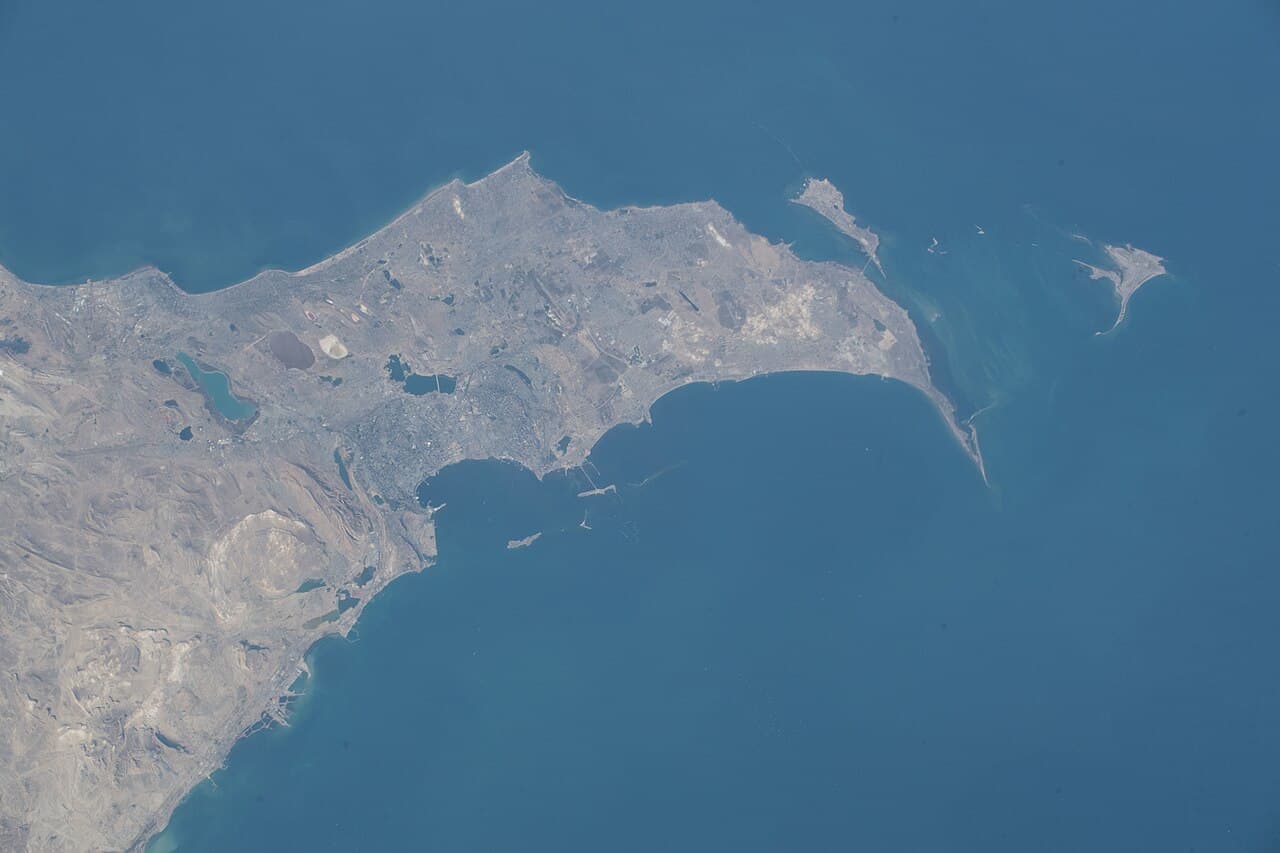
The villages strung along the Absheron Peninsula's northern and eastern shore - Novkhani, Pirshagi, Bilgah, Mardakan's coastal edge - sit roughly 25 to 45 minutes from central Baku by car. The coastline here is sandy but the peninsula itself is semi-arid and largely treeless, so the visual drama of forest meeting sea that defines Nabran simply isn't part of the package. What Absheron offers instead is proximity: a weekend or summer house that's close enough for a Friday afternoon drive and back for work Monday morning. This proximity is reflected in prices, which run noticeably higher per square meter than Nabran or Lankaran for comparable beachfront distance, and in liquidity - Absheron coastal properties tend to resell and rent faster simply because the buyer pool includes every Baku resident looking for a nearby escape, not just out-of-town vacationers.
Nabran: The Established Forest-and-Beach Resort
Roughly 180 kilometers north of Baku in Khachmaz district, near the border with Russia, Nabran has functioned as a beach destination for the better part of a century, first as a Soviet-era sanatorium and rest-house belt and now as a mixed market of hotels, guesthouses, and private dachas. Its defining feature is the pine forest that runs in places almost to the waterline, a product of both a locally humid microclimate and decades of coastal reforestation - a combination that doesn't exist anywhere else on Azerbaijan's Caspian shore. The season is short and concentrated, essentially June through September, and the market is correspondingly seasonal: strong summer rental income, largely dormant the rest of the year. Nabran suits a buyer looking for an established, family-oriented resort identity with real trees and real sand, at entry prices well below Absheron's coastal belt, in exchange for a three-to-four-hour drive from Baku and a shorter earning season.
The Lankaran Coast: Subtropical and Undercapitalized
Lankaran sits at the opposite end of the country, about 250 kilometers south of Baku near the Iranian border, in Azerbaijan's only humid subtropical zone. The coastline here has never been developed as a dedicated beach resort in the way Nabran has - the region's economy and identity are built around tea, citrus, and the Hirkan forest rather than tourism infrastructure - so the coastal property market is thinner, less organized, and priced accordingly lower. What it offers is a longer mild season than Nabran (the subtropical climate keeps winters gentle), genuine ecotourism appeal tied to Hirkan National Park, and a lower cost of entry for buyers willing to accept less rental infrastructure and a smaller, less established short-term rental market. This suits a buyer thinking in decades rather than in next summer's occupancy calendar, or one primarily interested in nature tourism and agritourism rather than classic beach holidays.
Matching the Coast to the Buyer
For a nearby weekend property with the fastest resale and rental liquidity, Absheron's beach villages are the rational choice, accepting a real price premium for the 30-minute drive. For a recognizable, already-established beach resort with a built-in summer rental market and a lower entry price than Absheron, Nabran is the closest match to what most buyers picture when they imagine a Caspian beach house - with the trade-off of a genuinely short earning season and a longer drive. For buyers drawn to something outside the standard beach-resort template - subtropical climate, nature tourism, lower prices, a market still early in its development - the Lankaran coast is the outlier worth considering, understanding that its rental market and supporting infrastructure remain considerably less mature than the other two.
A Note on Seasonality
None of these three markets behaves like Baku's year-round urban rental scene. Nabran is the most seasonally concentrated, essentially closing down outside the summer months. The Absheron coast has some shoulder-season activity thanks to its proximity to Baku, drawing day-trippers and short weekend stays into spring and autumn. Lankaran's milder winters give it the longest usable season of the three, even if overall visitor volume is smaller. Buyers evaluating rental income potential on any of these coasts should build a calendar around actual regional tourism patterns rather than assuming Baku-style year-round demand, since occupancy outside each area's core season can drop sharply.
 Living & visiting guide
The Absheron Peninsula Water Quality Map
What the Ministry of Ecology's monitoring found suitable and what it did not, why the infrastructure list and the test results disagree, and how the Khazri wind changes things
Read more →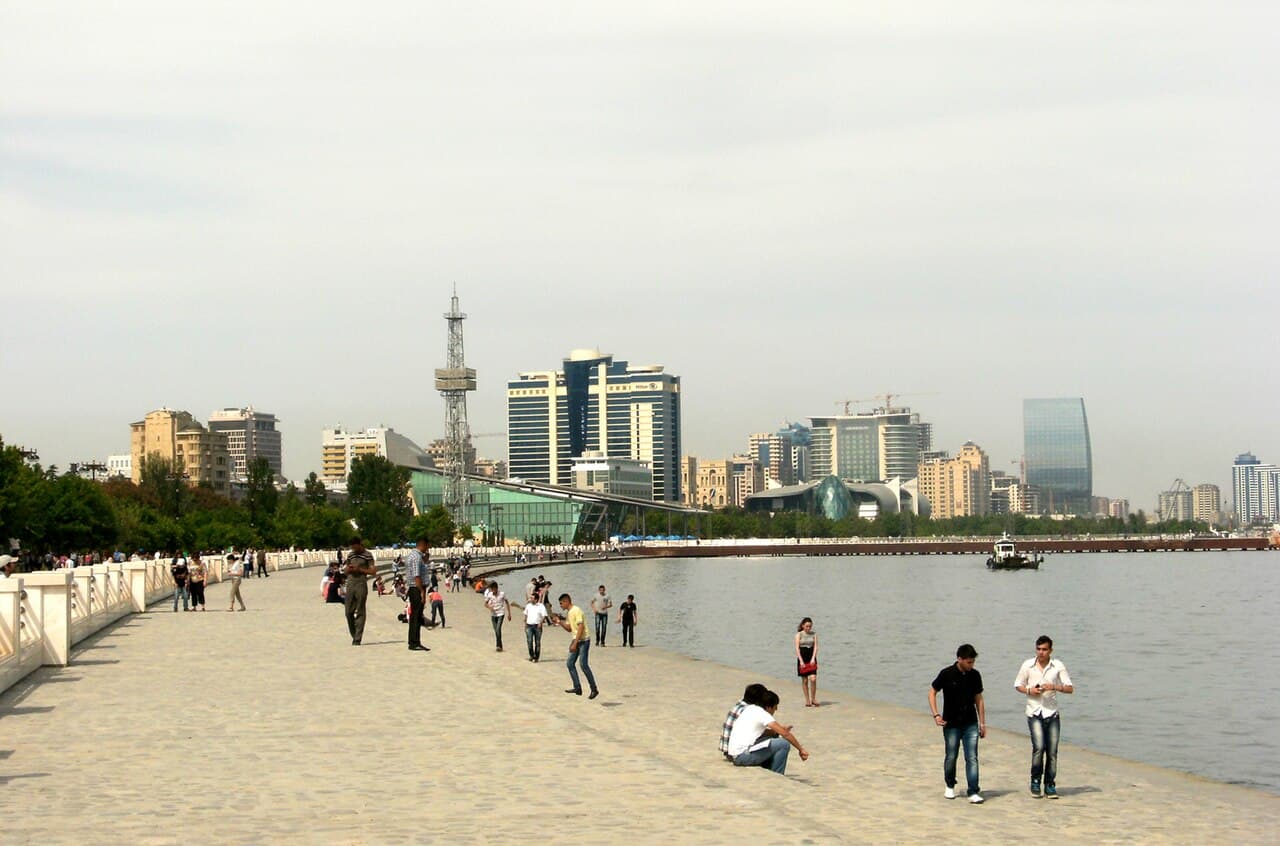 Living & visiting guide
Why You Can't Swim in Baku Bay — and Where You Can
Swimming is banned in Baku Bay and Shikhov closes most summers, while the northern Absheron beaches stay clean. Here is why, and how to check before you go in
Read more →Living & visiting guideBaku Beaches: A Practical Guide to the Coast
Bilgah, Buzovna, Mardakan, Novkhani and Amburan - what to expect at each beach, how to get there, and why some charge entry when the law says they are free
Read more →