Calculating Realistic ROI for a Vacation Rental Home in Baku or Coastal Azerbaijan
Published on 2026-08-06 · 4 min read
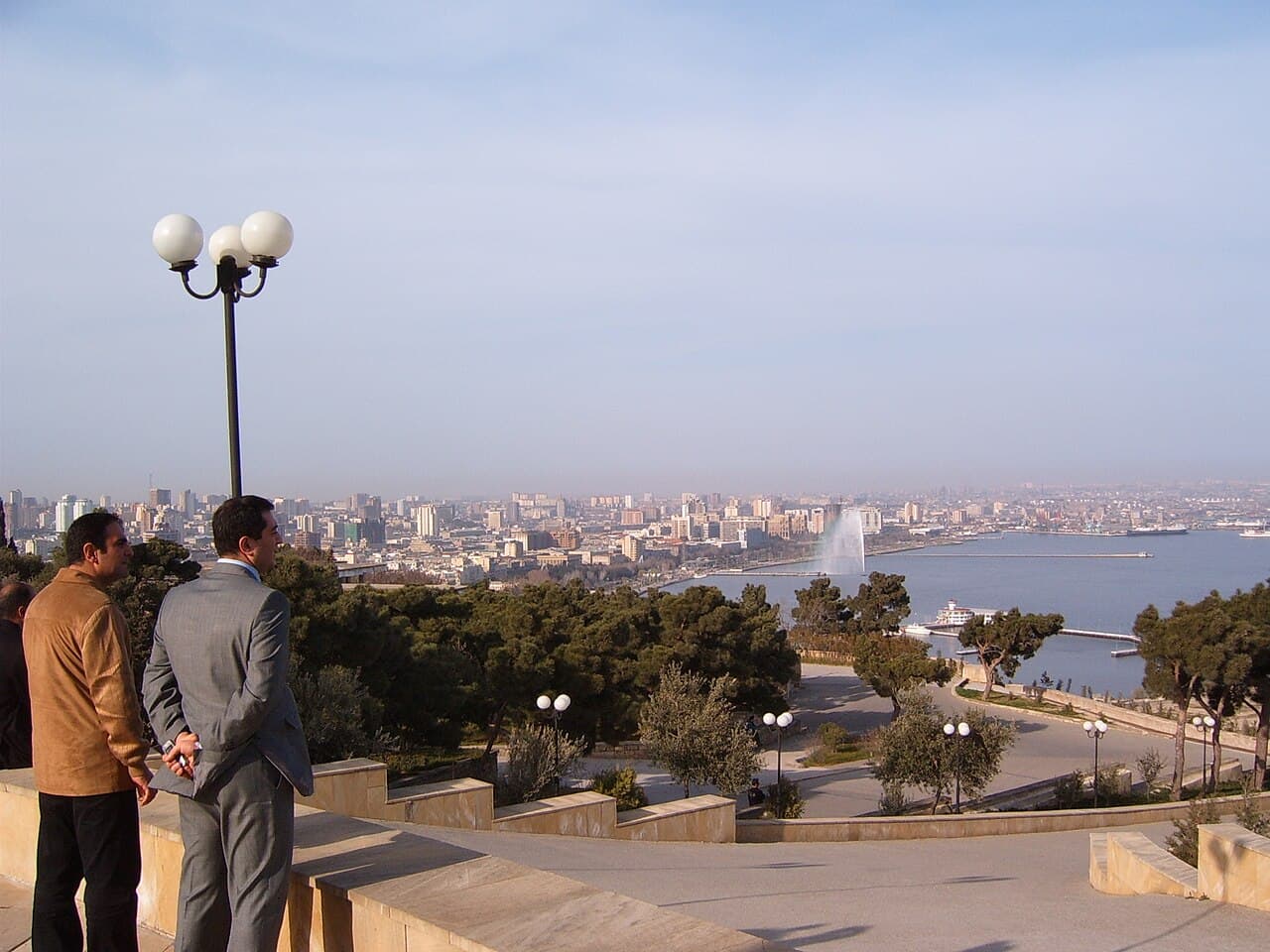
Buying an apartment in Baku or a house on the Absheron or Gabala coastline with the intention of renting it out to tourists is an increasingly common strategy among foreign investors. The return, however, is frequently overestimated because buyers focus on the nightly rate advertised on platforms like Airbnb or Booking.com and forget the layers of cost sitting underneath it. Below is a component-by-component framework for estimating realistic return on investment (ROI), followed by an illustrative worked example. The figures used are example numbers only, meant to demonstrate the calculation method — not current market data — and should be replaced with real quotes before making any decision.
Purchase Price and Acquisition Costs
The starting point is the property's purchase price, but the acquisition cost is higher than the sticker price. Buyers should budget for notary and registration fees, any agency commission, and — if applicable — legal fees for reviewing the sale contract. Foreign buyers should also factor in currency conversion costs when transferring funds into Azerbaijani manat (AZN), since bank spreads on international transfers can add a meaningful percentage to the effective purchase price.
Furnishing and Setup Costs
A property intended for short-term tourist rental needs to be furnished and photographed to a standard that competes with professional listings — this is a one-time upfront cost distinct from the purchase price. It typically includes furniture, kitchen equipment, linens, a reliable Wi-Fi router, air conditioning, smart locks for remote check-in, and professional photography for the listing itself. Underinvesting here tends to depress the achievable nightly rate and occupancy far more than it saves in cash.
Platform Fees
Booking platforms take a cut of every reservation. Airbnb typically charges hosts a service fee in the range of roughly 3% under the host-only fee structure, while Booking.com commissions for apartments commonly sit in a broader range, often mentioned around 15-18% depending on market and property type. These percentages fluctuate and vary by market, so they should be verified directly with each platform rather than assumed. If a local booking agency or channel manager is used to list on multiple platforms simultaneously, an additional service fee usually applies on top.
Property Management Costs
Owners who do not live in Baku or on the coast year-round almost always need a local property manager or management company to handle guest check-in and check-out, cleaning between stays, key handling, and responding to guest issues at short notice. Management fees for short-term rentals are typically charged as a percentage of rental revenue — commonly cited in the range of 15-25% in various markets — rather than a flat monthly fee, precisely because short-term rental workload scales with the number of bookings, not with time. Cleaning between guest stays is usually billed separately, per turnover.
Seasonal Occupancy Assumptions
This is the component most often modeled unrealistically. Baku and the Caspian coast see a strong seasonal curve: summer months and periods around major events draw peak demand, while winter occupancy for leisure travel is meaningfully lower. A conservative model should use a blended annual occupancy rate rather than extrapolating from a good summer week, and should stress-test the numbers against a lower-occupancy scenario before committing.
Maintenance and Vacancy Costs
Ongoing costs continue whether or not the unit is occupied: building service charges (if applicable), utilities during vacant periods, appliance repairs accelerated by high guest turnover, and periodic refreshing of furnishings that wear out faster under short-term rental use than under a long-term tenancy. A reasonable model sets aside an annual maintenance reserve as a percentage of gross rental income rather than assuming zero unexpected costs.
An Illustrative Worked Example
The following numbers are example figures for illustrating the calculation only:
- Purchase price (example): 150,000 AZN
- Furnishing and setup (example, one-time): 12,000 AZN
- Total initial investment (example): 162,000 AZN
- Assumed nightly rate (example): 80 AZN
- Assumed blended annual occupancy (example): 55% (about 200 nights booked per year)
- Gross annual rental revenue (example): 200 × 80 AZN = 16,000 AZN
- Platform fees (example, 15% average blended across channels): -2,400 AZN
- Property management fee (example, 20% of revenue): -3,200 AZN
- Cleaning and turnover costs (example): -1,500 AZN
- Utilities, maintenance reserve, and vacancy costs (example): -2,000 AZN
- Net annual income before tax (example): approximately 6,900 AZN
- Simple gross yield on initial investment (example): roughly 4.3%
This example intentionally nets out to a modest single-digit yield after all cost layers are applied, which is a more realistic order of magnitude than the double-digit "gross rental yield" figures sometimes advertised before costs are deducted. Every input — price, nightly rate, occupancy, and fee percentages — should be replaced with figures gathered from local agents, property managers, and the platforms themselves for the specific property under consideration.
Sensitivity to Assumptions
Because occupancy and nightly rate are multiplied together, small errors in either assumption compound. A model built on an optimistic 75% occupancy rate rather than a conservative 50-55% can overstate annual revenue by 30-40%, which flows directly into an overstated yield. Prospective buyers are generally better served by running the calculation twice — once with a conservative case and once with a moderately optimistic case — and basing the purchase decision on the conservative end of that range.
 Living & visiting guide
The Absheron Peninsula Water Quality Map
What the Ministry of Ecology's monitoring found suitable and what it did not, why the infrastructure list and the test results disagree, and how the Khazri wind changes things
Read more → Living & visiting guide
Why You Can't Swim in Baku Bay — and Where You Can
Swimming is banned in Baku Bay and Shikhov closes most summers, while the northern Absheron beaches stay clean. Here is why, and how to check before you go in
Read more →Living & visiting guideBaku Beaches: A Practical Guide to the Coast
Bilgah, Buzovna, Mardakan, Novkhani and Amburan - what to expect at each beach, how to get there, and why some charge entry when the law says they are free
Read more →