Buying Property in Nabran: A Practical Guide
Published on 2026-07-23 · 5 min read
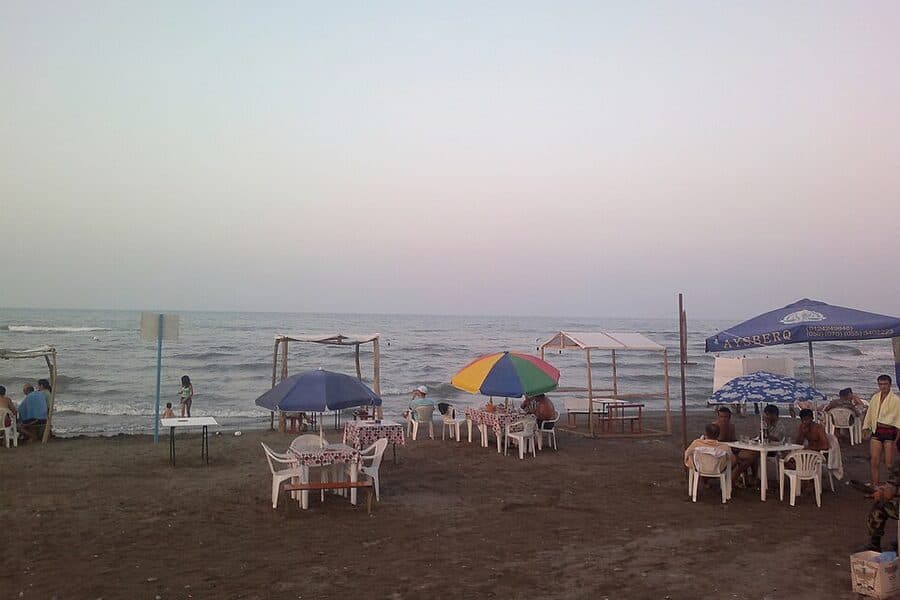
Nabran is the closest thing Azerbaijan has to a mature, purpose-built beach resort market — a century of tourism history, a dense concentration of sanatoriums and guesthouses, and a visitor base that has included both domestic and cross-border traffic for decades. That maturity makes it a fundamentally different proposition from newer coastal or mountain developments elsewhere in the country: the demand pattern is well understood, but so are its limits, and buying here means underwriting a strongly seasonal business rather than a year-round rental market.
What's Actually for Sale
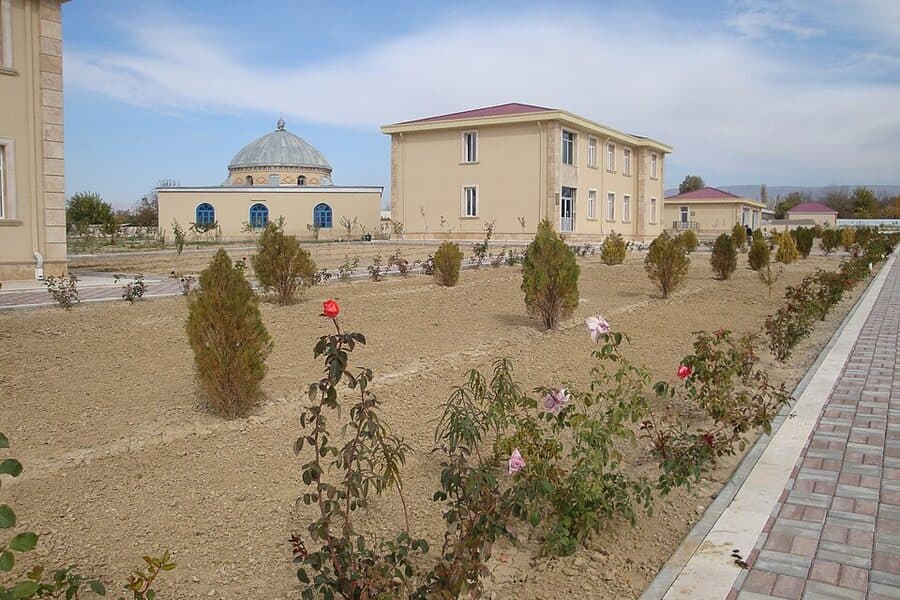
The Nabran property market breaks down into a few recognizable categories. Small guesthouses and family-run boarding houses, typically converted or expanded from older private homes, make up a large share of listings and are usually bought as an operating business with existing summer bookings rather than as a bare structure. A second category is small hotels and rest-house-style properties, some of them former Soviet-era departmental sanatoriums that have passed into private hands and been renovated to varying standards — these vary enormously in condition and require careful due diligence on both the building and any inherited staff or booking arrangements. Third, and increasingly common, is holiday apartment stock in newer low-rise developments built specifically for the vacation-rental market, offering a lower-maintenance alternative to running a guesthouse directly. Land for new construction is also available in and around the district, though the most forested and beach-proximate plots are the most sought after and priced accordingly.
Seasonality and What It Means for Yield
Any yield calculation for a Nabran property has to start from the district's sharp seasonal pattern rather than a flat annual occupancy assumption. The resort effectively operates on a summer season running from around June through early September, with a much longer shoulder period of light or negligible demand for the rest of the year. A guesthouse or apartment that runs at or near full occupancy for ten to twelve weeks a year, and largely empty the other forty, can still produce a reasonable annual return, but only if the summer pricing and booking volume are strong enough to cover a full year of costs — property tax, maintenance, security, and any staff retained off-season. Buyers coming from markets with more even year-round demand should be careful not to apply Baku-style occupancy assumptions to a Nabran asset; the two markets run on entirely different calendars, and modeling Nabran as if it were a Baku rental will produce unrealistic projections in either direction.
Guesthouses vs. Small Hotels vs. Apartments
Each property type carries a different risk and management profile. A guesthouse or small boarding house offers the highest potential margin but also demands the most hands-on involvement — pricing, marketing, guest turnover, and food service if meals are included, all of which are difficult to run well from a distance. A small hotel or former sanatorium property offers more scale and, often, an existing brand or repeat-visitor base, but comes with higher renovation and staffing overhead and a steeper learning curve for a first-time buyer unfamiliar with the local hospitality market. Holiday apartments, by contrast, are the closest thing Nabran offers to a passive investment: lower potential yield per square meter than a well-run guesthouse, but far less operational burden, particularly when a development includes shared management or a rental pool arrangement with other unit owners.
Comparing Nabran to Baku-Area Coastal Property
Property in Nabran is generally priced well below comparable coastal assets closer to Baku, reflecting both the distance from the capital — roughly three to four hours by road — and the fact that Nabran's tourism economy runs on a narrower season than the dacha towns of the Absheron Peninsula, some of which increasingly support year-round residential demand alongside their summer rental trade. What Nabran offers in exchange is a more established, more institutionally developed resort infrastructure, a genuinely differentiated setting with forest cover most of the Absheron coast lacks, and a visitor base that has historically included cross-border demand from Russia given the district's proximity to the Samur River frontier and the Yalama crossing. Buyers should weigh lower entry prices and a distinctive setting against a longer commute from Baku and a narrower operating season.
Managing a Seasonal Property Remotely
Because so much of Nabran's business is compressed into a few summer months, remote ownership is common and workable, but it requires more structure than owning a year-round rental closer to the capital. Most owners who don't live on-site rely on a local property manager or an established relationship with a caretaker family to handle bookings, cleaning, and maintenance during the season, and to secure the property during the long off-season when the district is largely quiet. Booking through domestic travel platforms and word-of-mouth repeat business still plays a larger role in Nabran than in Baku's more internationally oriented rental market, which makes local relationships and reputation more important than a purely online listing strategy. Anyone buying with rental income in mind should budget for a management arrangement from the outset rather than assuming the property can be run entirely from Baku or from abroad.
Before You Buy
Confirm the property's legal status carefully, particularly for older sanatorium or rest-house buildings that may have complicated ownership histories dating back to their Soviet-era institutional use. Verify land versus building ownership as with any Azerbaijani property purchase, and if the plan includes short-term rental or guesthouse operation, speak to a local operator about realistic summer pricing and occupancy before finalizing numbers. Nabran rewards buyers who go in with a clear-eyed view of its seasonal economics rather than those expecting a Baku-style, year-round return.
 Azerbaijan cities & regions
Absheron's Oilfields: From Contaminated Land to Regeneration
Tens of thousands of hectares left contaminated by the Soviet oil era, a World Bank rehabilitation programme, and the White City built on the Black City
Read more → Azerbaijan cities & regions
Buying Property Near Shahdag: A Guide to Azerbaijan's Ski Real Estate
Resort apartments and chalets around Shahdag Mountain Resort - rental yield potential from ski tourism, price comparison with the Alps, and what distant owners should know
Read more → Azerbaijan cities & regions
Buying Near Tufandag: Real Estate at Gabala's Ski Resort
Chalets, hotel-apartments and two seasons of demand - what buyers should know about property near Gabala's mountain resort
Read more →