Buying Property in Shamakhi: A Practical Guide
Published on 2026-07-23 · 4 min read
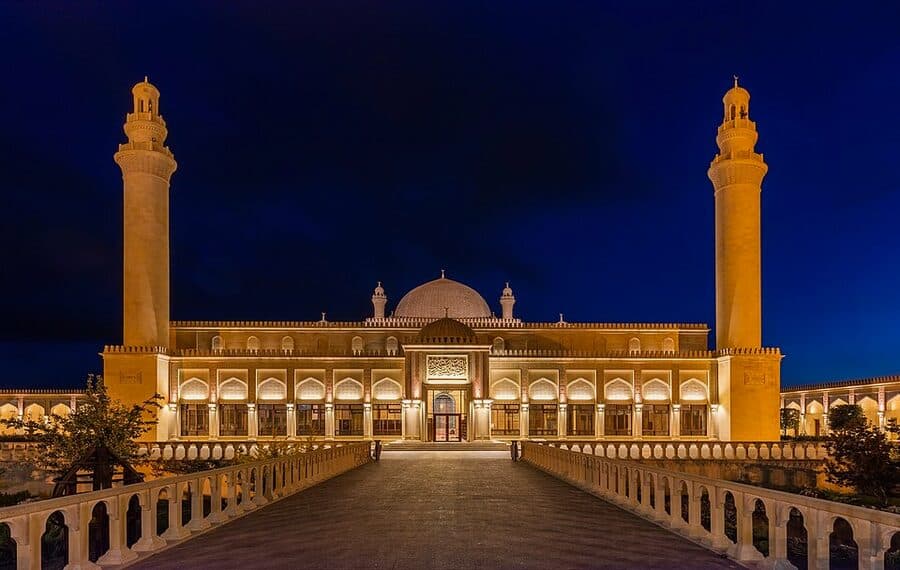
Shamakhi occupies an unusual spot on Azerbaijan's regional property map: close enough to Baku for a genuine weekend or day trip, but built around a wine-growing rural economy and a historic core entirely unlike anything in the capital. That combination has made it attractive both to buyers looking for a countryside second home and to those interested in agricultural or vineyard land as a distinct asset class — but the market has its own logic, and its own risks, that differ from buying an apartment in Baku.
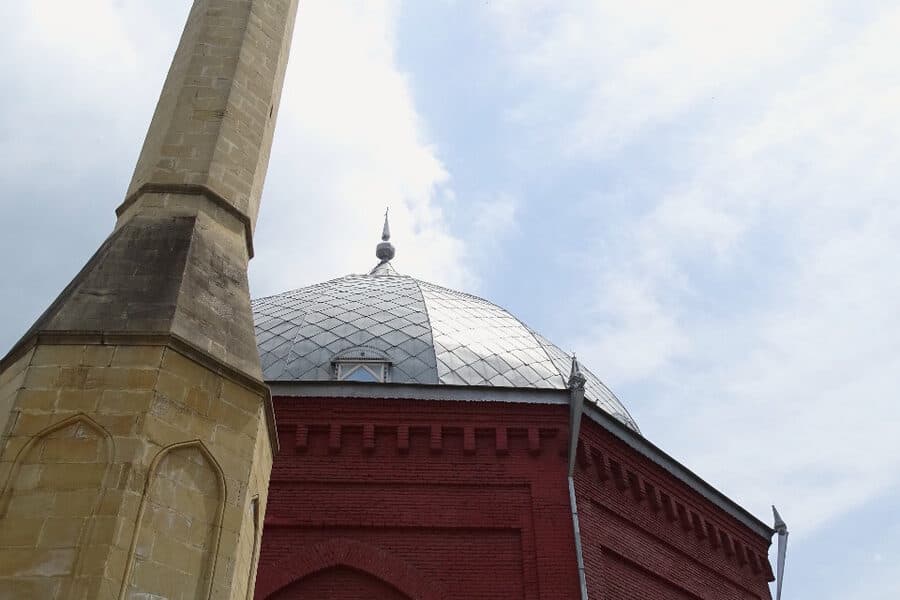
Vineyard and Agricultural Land as a Category of Its Own
The Shamakhi district's soils and elevation have supported grape cultivation for centuries, and the region remains one of Azerbaijan's principal wine-growing areas. This gives agricultural and vineyard land here a character that most of the country's regions don't share: it isn't simply undeveloped land waiting for residential construction, but a working asset with its own productive value, tied to grape varieties, existing plantings, irrigation access, and proximity to processing facilities. Buyers interested in vineyard land should treat it as a specialized purchase — verifying whether existing vines are productive or need replanting, understanding water rights and irrigation infrastructure, and, where relevant, checking any existing arrangements with wineries or cooperatives that process grapes from the district. Raw agricultural land without vines trades at a different, generally lower, price point than an established or partially established vineyard plot.
The Weekend-Home Appeal
For Baku residents, Shamakhi's roughly two-hour drive puts it in a different category from Azerbaijan's other historic regional cities. Sheki and Ganja require a genuine overnight trip to justify the travel time; Shamakhi does not. That has made countryside houses and plots in and around the district increasingly attractive as weekend or holiday properties — a cooler hillside climate than Baku's coastal humidity, vineyard and mountain scenery, and a historic old town to visit, all reachable without committing an entire weekend to driving. Demand in this segment tends to concentrate on standalone houses with land, often with an existing garden or small vineyard plot, rather than apartments, and it competes conceptually with the dacha towns of the Absheron Peninsula — though Shamakhi offers hill-country scenery and a cooler summer climate that the flat, coastal Absheron towns don't provide.
Seismic History: A Real Due-Diligence Point
Shamakhi's long record of destructive earthquakes — including major events in 1191, 1667–1668, 1859, and 1872 — is not simply historical trivia; it is a genuine factor in evaluating property in the region. The area sits in one of Azerbaijan's more seismically active zones, and any serious buyer, whether purchasing an existing structure or planning new construction, should treat earthquake resilience as a standard part of due diligence rather than an afterthought. For existing buildings, this means understanding the age and construction method of the structure — traditional stone or brick buildings built without modern reinforcement carry different risk profiles than newer construction to current building codes. For new builds, it means confirming that construction follows Azerbaijan's seismic design standards for the region, and, ideally, having a qualified structural engineer review foundation and reinforcement plans before construction begins. None of this should be read as a reason to avoid the region — Shamakhi has been continuously rebuilt and inhabited for over a thousand years — but it is a factual, practical consideration that buyers in flatter, less seismically active parts of the country don't need to weigh as carefully.
Prices Relative to Baku
As with essentially every region outside the capital, land and property prices in and around Shamakhi run well below equivalent assets in Baku, whether comparing city-center apartments to district housing or comparing raw land prices per unit. Agricultural and vineyard land is priced separately from residential plots and varies considerably based on whether it comes with existing plantings, water access, and road frontage. Houses in the old town and surrounding villages, similarly, price well below comparable structures in central Baku, though buyers should weigh that discount against the additional renovation costs that older stone-built housing in a seismically active region can carry.
Before You Buy
As with any regional purchase in Azerbaijan, work with a local lawyer to confirm land registration, ownership history, and — for agricultural or vineyard parcels — the correct land-use classification, since agricultural land is generally subject to different transfer rules than residential plots. If the property includes an existing building, commission an independent structural assessment rather than relying on a seller's description, particularly for older stone construction. And for anyone specifically drawn by the vineyard angle, it's worth speaking with a local winery or agronomist before purchase to get a realistic read on what a given plot of land can actually produce.
 Azerbaijan cities & regions
Absheron's Oilfields: From Contaminated Land to Regeneration
Tens of thousands of hectares left contaminated by the Soviet oil era, a World Bank rehabilitation programme, and the White City built on the Black City
Read more → Azerbaijan cities & regions
Buying Property Near Shahdag: A Guide to Azerbaijan's Ski Real Estate
Resort apartments and chalets around Shahdag Mountain Resort - rental yield potential from ski tourism, price comparison with the Alps, and what distant owners should know
Read more → Azerbaijan cities & regions
Buying Near Tufandag: Real Estate at Gabala's Ski Resort
Chalets, hotel-apartments and two seasons of demand - what buyers should know about property near Gabala's mountain resort
Read more →