Buying Property in Sheki: A Practical Guide
Published on 2026-07-23 · 4 min read
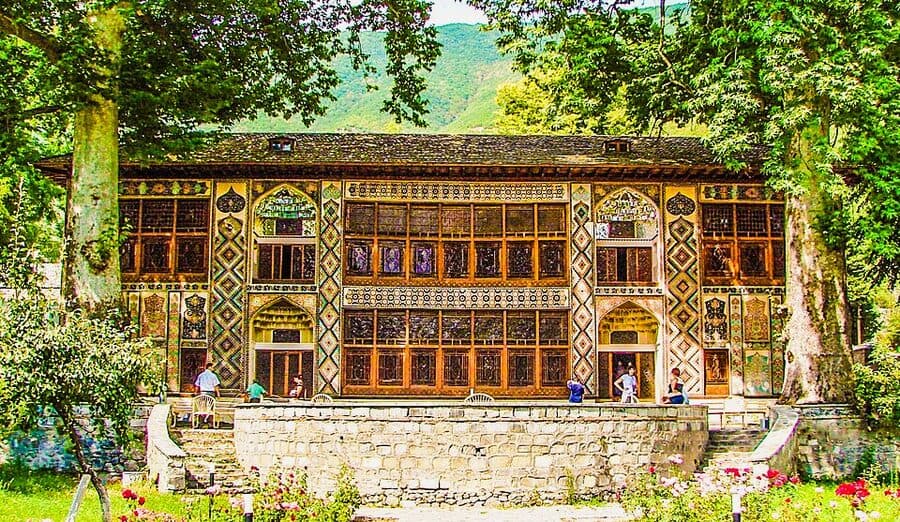
Sheki's UNESCO-listed historic centre and steady flow of heritage tourism have made it one of the more interesting small property markets outside Baku — but buying here works differently than buying an apartment in the capital. The building stock is older, the regulations are stricter, and the demand is driven almost entirely by tourism rather than by a local rental economy or urban migration.
What's Actually for Sale
The Sheki market is dominated by a handful of distinct property types. Traditional courtyard houses in the old town — single-story or two-story stone-and-timber structures built around an internal yard, many dating to the late 18th or 19th century — make up the bulk of the historic housing stock. Outside the protected core, the city has more conventional Soviet-era apartment blocks and newer construction, similar in style to smaller regional cities elsewhere in Azerbaijan, which trade at a fraction of Baku prices. Then there is a small but distinctive category of larger heritage structures, including portions of former merchant houses and outbuildings near the two historic caravanserais, that occasionally come onto the market with development or hospitality potential.
Heritage Regulations and What They Mean for Buyers
Because the historic centre carries UNESCO World Heritage status, alterations to buildings within the protected zone are subject to oversight from Azerbaijan's heritage and cultural authorities, not just standard municipal permitting. In practice, this means exterior facades, rooflines, window openings, and other visible elements of a historic structure typically cannot be modified without approval, and any renovation plan needs to demonstrate that it preserves the building's original character. Interior work has more flexibility, but structural changes still generally require sign-off. This is the same principle that governs Baku's Icherisheher Old City, and it cuts both ways: it protects the very character that makes Sheki valuable to visitors, but it can slow down renovation timelines considerably and rules out the kind of ground-up redevelopment that's common elsewhere. Buyers interested in a historic property should budget extra time — and a local architect experienced with heritage approvals — into any renovation plan from the outset.
The Caravanserai-to-Hotel Model
The conversion of the Yukhari Karvansaray into a roughly 200-room hotel set a template that smaller investors have followed at a more modest scale throughout the old town: take a historic stone structure, preserve its shell and courtyard, and adapt the interior into guest rooms. Several boutique guesthouses in Sheki now follow this same logic on a much smaller footprint — a restored merchant house with six to twelve rooms rather than two hundred. This model tends to work because it satisfies heritage authorities (the building's exterior and structure stay intact) while producing a product tourists specifically seek out: an overnight stay inside genuine 18th-century architecture, which is difficult to replicate anywhere else in the country.
Demand Is Seasonal
Unlike Baku, where rental demand is spread across business travel, expatriates, and residents year-round, Sheki's property economy runs largely on tourism, and tourism here has a clear seasonal rhythm. Spring and autumn, when the mountain climate is mild and comfortable for walking the old town, tend to be the busiest tourist periods, alongside a summer bump from domestic travelers escaping Baku's coastal heat and humidity for cooler mountain air. Winter is considerably quieter. Anyone buying with short-term rental or guesthouse income in mind should model occupancy realistically around this cycle rather than assuming Baku-style year-round demand, and should factor in the additional cost of maintaining a historic property through slower months.
Sheki vs. Baku: What to Weigh Before Buying
Prices for both land and historic buildings in Sheki are considerably lower than comparable-quality assets in Baku, and the mountain setting and UNESCO recognition give the city a tourism draw entirely independent of the capital's oil-and-business economy. But the market is far smaller and thinner — fewer transactions, fewer comparable sales, and fewer buyers if you need to exit quickly. Heritage restrictions that protect long-term value also constrain what can be done with a property in the short term. And as with property purchases anywhere in Azerbaijan, foreign buyers should confirm the distinction between owning a building and owning the land beneath it, since land ownership rules differ from those governing units and structures.
Before You Buy
Work with a local lawyer and, ideally, an architect who has previously navigated heritage approvals in Sheki specifically — the process differs in practice from Baku's Old City despite the similar legal principle. Verify the property's registration and any existing heritage designation before signing anything, and if the plan involves hospitality use, speak with an operator or hotel consultant early to understand realistic occupancy and renovation costs for a caravanserai-era building. Sheki rewards patient, heritage-minded investment far more than it rewards a fast flip.
 Azerbaijan cities & regions
Absheron's Oilfields: From Contaminated Land to Regeneration
Tens of thousands of hectares left contaminated by the Soviet oil era, a World Bank rehabilitation programme, and the White City built on the Black City
Read more → Azerbaijan cities & regions
Buying Property Near Shahdag: A Guide to Azerbaijan's Ski Real Estate
Resort apartments and chalets around Shahdag Mountain Resort - rental yield potential from ski tourism, price comparison with the Alps, and what distant owners should know
Read more →Azerbaijan cities & regionsBuying Near Tufandag: Real Estate at Gabala's Ski Resort
Chalets, hotel-apartments and two seasons of demand - what buyers should know about property near Gabala's mountain resort
Read more →