Buying Property in Quba-Qusar: A Practical Guide
Published on 2026-07-23 · 4 min read
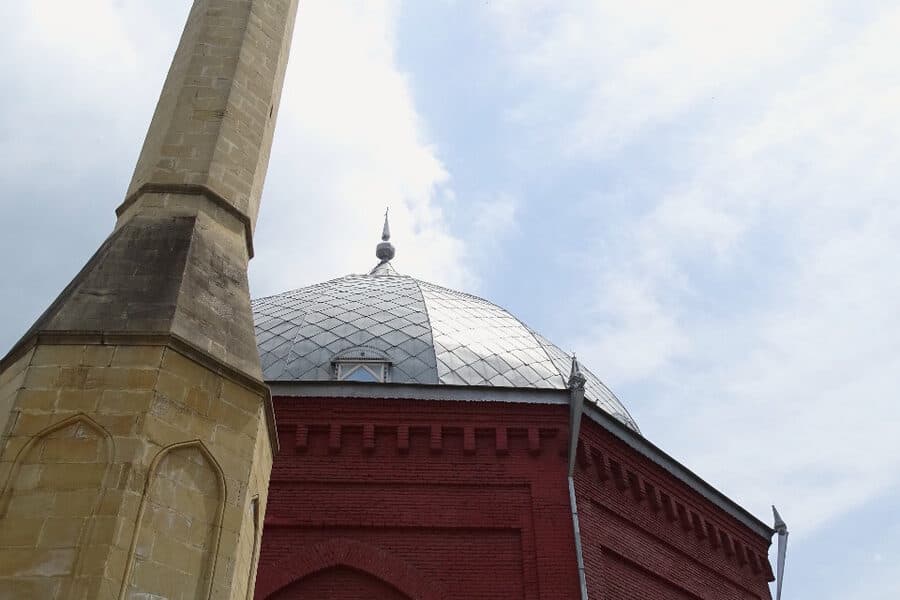
Real estate in Quba and Qusar districts bears little resemblance to the Baku market. Instead of apartment towers and city infrastructure, buyers here are dealing with orchard plots, stone village houses, and a resort economy built around Shahdag Mountain — a market shaped by geography and tourism rather than urban density.
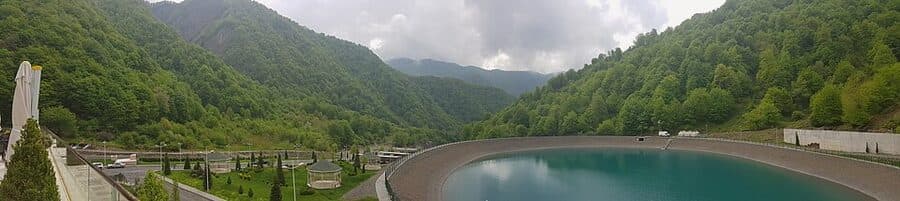
What's Actually for Sale
Three broad categories dominate. The first is agricultural land around Quba city itself, much of it planted with apple orchards or suited to them — the district's dominant crop and a real income-producing asset for anyone willing to manage a working orchard rather than just hold land. The second is housing stock in mountain villages such as Khinalug, Laza, Griz, and the smaller settlements scattered through the Shahdag foothills — traditional stone houses, often generations old, that appeal to buyers looking for a rustic second home or a renovation project rather than modern construction. The third, and fastest-growing, is resort-adjacent development around Qusar and the villages closest to Shahdag Mountain Resort, where new guesthouses, small hotels, and apartment-style buildings have gone up steadily since the resort opened in 2012.
Prices Relative to Baku
Land and housing prices across Quba-Qusar sit well below Baku and even below the Absheron Peninsula's suburban towns, particularly away from the Shahdag resort corridor. Orchard land in the Quba lowlands trades at agricultural rather than urban rates, and village houses in more remote settlements can be inexpensive by Baku standards, reflecting basic infrastructure and limited buyer demand outside the tourist season. Property near Shahdag itself, and increasingly in Qusar town, commands a real premium over the rest of the district, driven by ski-season rental potential and steady resort investment.
Tourism as the Region's Growth Engine
Shahdag Mountain Resort is the single biggest driver of new development in Qusar district. Its cable cars, ski runs reaching toward 3,255 meters, and hotel infrastructure have turned a formerly quiet corner of the district into a destination with real winter and summer tourist traffic. That has pulled construction activity toward guesthouses and short-term rental properties aimed at skiers in winter and heat-escaping visitors from Baku in summer, when the mountain air offers a genuine break from the coastal humidity. Buyers weighing an investment here are, in effect, betting on the resort's continued growth rather than on general urban appreciation.
What Makes This Market Different from Baku
A Baku apartment purchase is a fairly standardized transaction inside a functioning urban market with clear comparables. Quba-Qusar is a rural and mountainous market, and buyers should adjust expectations accordingly:
-
Land ownership rules. Under Azerbaijani law, foreign individuals cannot directly own agricultural land — this applies with particular force in a region where orchard and farm plots make up much of the available real estate. Foreigners can own buildings and structures, and land can typically be accessed through long-term lease arrangements or through a locally registered entity, but this adds a layer of legal structuring that a straightforward Baku apartment purchase does not require.
-
Title and cadastral records. Documentation on rural and village properties, especially in smaller mountain settlements, is not always as cleanly digitized or unambiguous as it is for urban apartments in Baku's established registry system. Independent legal due diligence on boundaries and title history matters more here than it would for a standard city purchase.
-
Access and seasonality. The road to Khinalug and other high villages can be difficult or impassable in winter, and many mountain settlements see sharply reduced activity outside the warmer months. A property that feels vibrant in August may be largely empty and hard to reach in January — worth experiencing firsthand at different times of year before committing.
-
Infrastructure basics. Utilities, water supply, and road quality in remote villages lag well behind Baku and even behind Qusar's own town center. Buyers should verify basic services directly rather than assume urban-level infrastructure.
-
Local, not national, market dynamics. Demand and pricing here track the ski season, the apple harvest, and Baku's summer heat far more than they track any broader national real estate trend — this is a market driven by tourism and agriculture, not by capital-city dynamics.
Who This Market Suits
Quba-Qusar tends to attract a specific kind of buyer: those interested in a mountain retreat or summer escape from Baku's heat, small investors betting on Shahdag's continued tourism growth through guesthouse or rental development, and buyers with a genuine interest in orchard land as a working agricultural asset rather than a speculative holding. It is not a market for anyone expecting Baku-style liquidity, standardized paperwork, or short transaction timelines — but for the right buyer, it offers a foothold in one of Azerbaijan's most distinctive landscapes at a fraction of the capital's prices.
 Azerbaijan cities & regions
Absheron's Oilfields: From Contaminated Land to Regeneration
Tens of thousands of hectares left contaminated by the Soviet oil era, a World Bank rehabilitation programme, and the White City built on the Black City
Read more →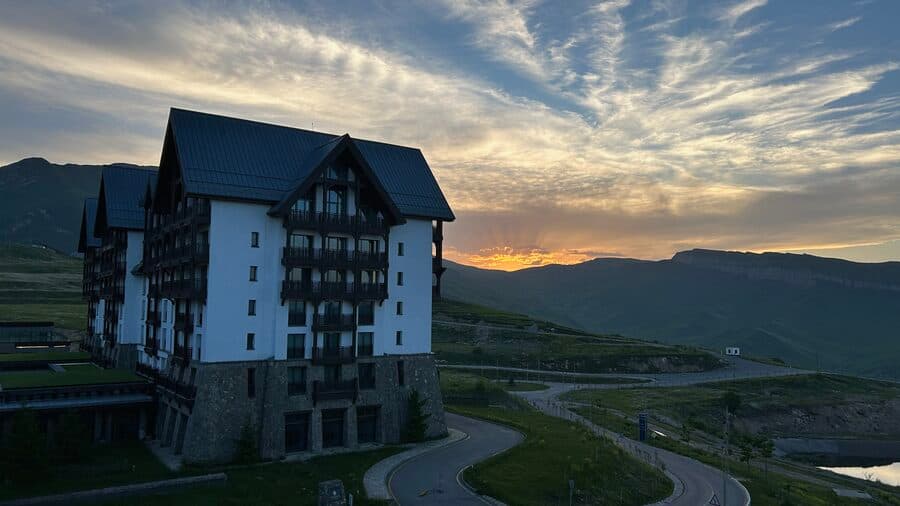 Azerbaijan cities & regions
Buying Property Near Shahdag: A Guide to Azerbaijan's Ski Real Estate
Resort apartments and chalets around Shahdag Mountain Resort - rental yield potential from ski tourism, price comparison with the Alps, and what distant owners should know
Read more →Azerbaijan cities & regionsBuying Near Tufandag: Real Estate at Gabala's Ski Resort
Chalets, hotel-apartments and two seasons of demand - what buyers should know about property near Gabala's mountain resort
Read more →