Lankaran: Azerbaijan's Subtropical South
Published on 2026-07-22 · 4 min read
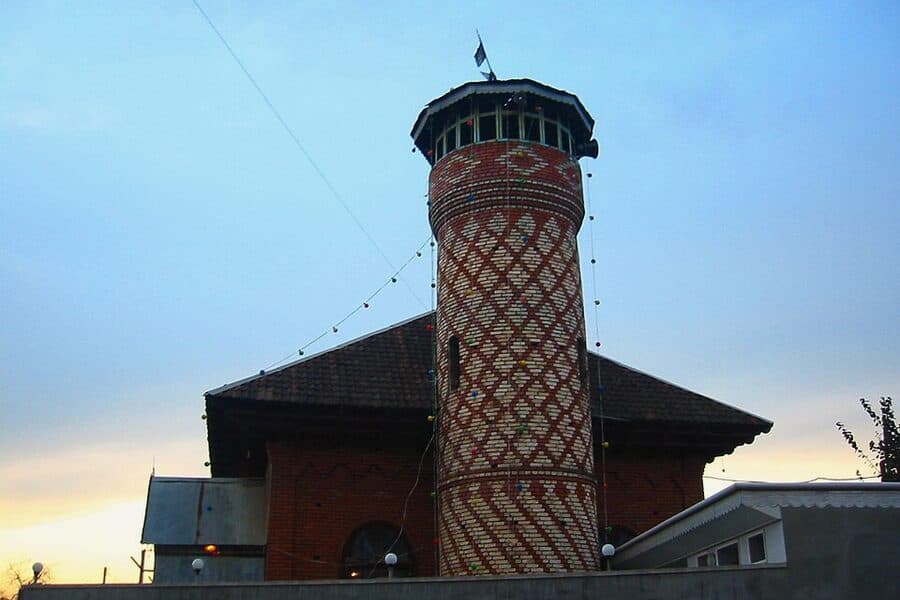
Roughly 250 kilometers south of Baku, hugging the Caspian coast almost to the Iranian border, sits a city and region that feels like a different country from the rest of Azerbaijan. Lankaran (Lənkəran) is the capital of the historic Talysh region, and it is the only part of Azerbaijan with a humid subtropical climate — a fact that shapes everything from its architecture to its economy to what grows in its soil.
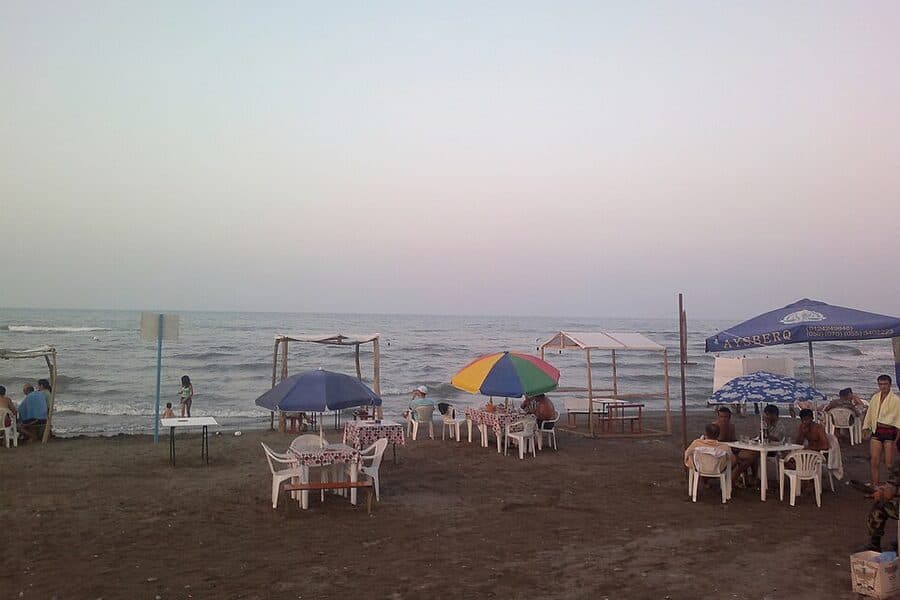
A Climate Unlike Anywhere Else in Azerbaijan
Most of Azerbaijan, including Baku, is semi-arid: dry summers, modest rainfall, steppe and scrubland vegetation. Lankaran is the exception. Sandwiched between the Caspian Sea and the Talysh Mountains, which trap moist air and block cold northern winds, the region receives between 1,200 and 1,800 millimeters of rainfall a year — roughly six to eight times what Baku sees. Winters are mild and rarely drop below freezing; summers are warm and humid rather than the dry heat typical of the Absheron Peninsula. This microclimate, unique within the country, is the reason Lankaran developed an agricultural economy entirely different from the rest of Azerbaijan.
Tea, Citrus, and Rice
Lankaran and the neighboring Astara district have been the historical center of Azerbaijan's tea industry since Soviet-era plantations were established on the mountain slopes in the 20th century. Tea bushes still cover hillsides around the city, and the region also produces lemons, feijoa, persimmon, kiwi, and other subtropical fruit that simply cannot be grown elsewhere in the country. Rice paddies fill the lowland areas near the coast, another crop that depends on the region's unusual rainfall. Local markets in Lankaran reflect this abundance — stalls piled with citrus, fresh tea leaves, and produce that would look more at home in northern Iran or Georgia's Black Sea coast than in the rest of Azerbaijan.
Hirkan National Park
Just south of the city lies Hirkan National Park, one of the most significant natural areas in the Caucasus. It protects a remnant of the ancient Hyrcanian forest, a broadleaf woodland type that once stretched across the southern Caspian region and has survived here largely unchanged since before the last Ice Age. The park, expanded to roughly 40,000 hectares when it was upgraded from a nature reserve in 2004, contains tree species found almost nowhere else, including the ironwood tree (Parrotia persica, known locally as demirağac), prized for wood so dense it barely floats. The forest's exceptional age and biodiversity led UNESCO to inscribe the Hyrcanian Forests as a World Heritage Site in 2019, recognizing them as a living link to a vegetation type that vanished from most of the rest of the world millions of years ago. The park is home to a range of wildlife, including populations that have historically included the Caucasian leopard, though sightings are extremely rare.
Talysh Khanate and Historic Sites
Lankaran was the capital of the Talysh Khanate, an independent principality that controlled the region before it was absorbed into the Russian Empire under the 1813 Treaty of Gulistan, which followed a Russian-Persian war that included fighting directly around the city. Lankaran Fortress, built in the late 18th century, was the site of one of the bloodiest engagements of that conflict and still stands near the coast, along with remnants of the Khan's palace complex. The Mirakhmad Khan Mosque, dating to the same era, is another reminder of the city's role as a regional seat of power long before it became part of Azerbaijan.
The Talysh People
The Talysh region is home to Azerbaijan's Talysh ethnic minority, who speak Talysh, an Iranian language distinct from Azerbaijani. Talysh cultural traditions, cuisine, and in some rural areas the language itself remain part of daily life in and around Lankaran, giving the city a cultural texture distinct from the rest of the country, alongside its unusual climate and landscape.
Getting There
Lankaran is roughly a three-hour drive from Baku along the M3 highway, which runs down the Caspian coast through the Absheron and Shirvan lowlands before reaching the Talysh foothills. For those who prefer not to drive, Lankaran International Airport, opened in 2013, operates domestic flights connecting the city to Baku in around 45 minutes.
Why Lankaran Stands Out
Baku's appeal is built on oil wealth, Caspian energy, and rapid urban development. Lankaran offers something almost entirely opposite: an agricultural, forested, rain-fed corner of the country where the economy runs on tea and citrus rather than hydrocarbons, and where a UNESCO-recognized ancient forest sits a short drive from a historic fortress town. For visitors and researchers interested in Azerbaijan's ecological and cultural diversity beyond the capital, Lankaran is one of the most distinctive regions the country has to offer.
 Azerbaijan cities & regions
Absheron's Oilfields: From Contaminated Land to Regeneration
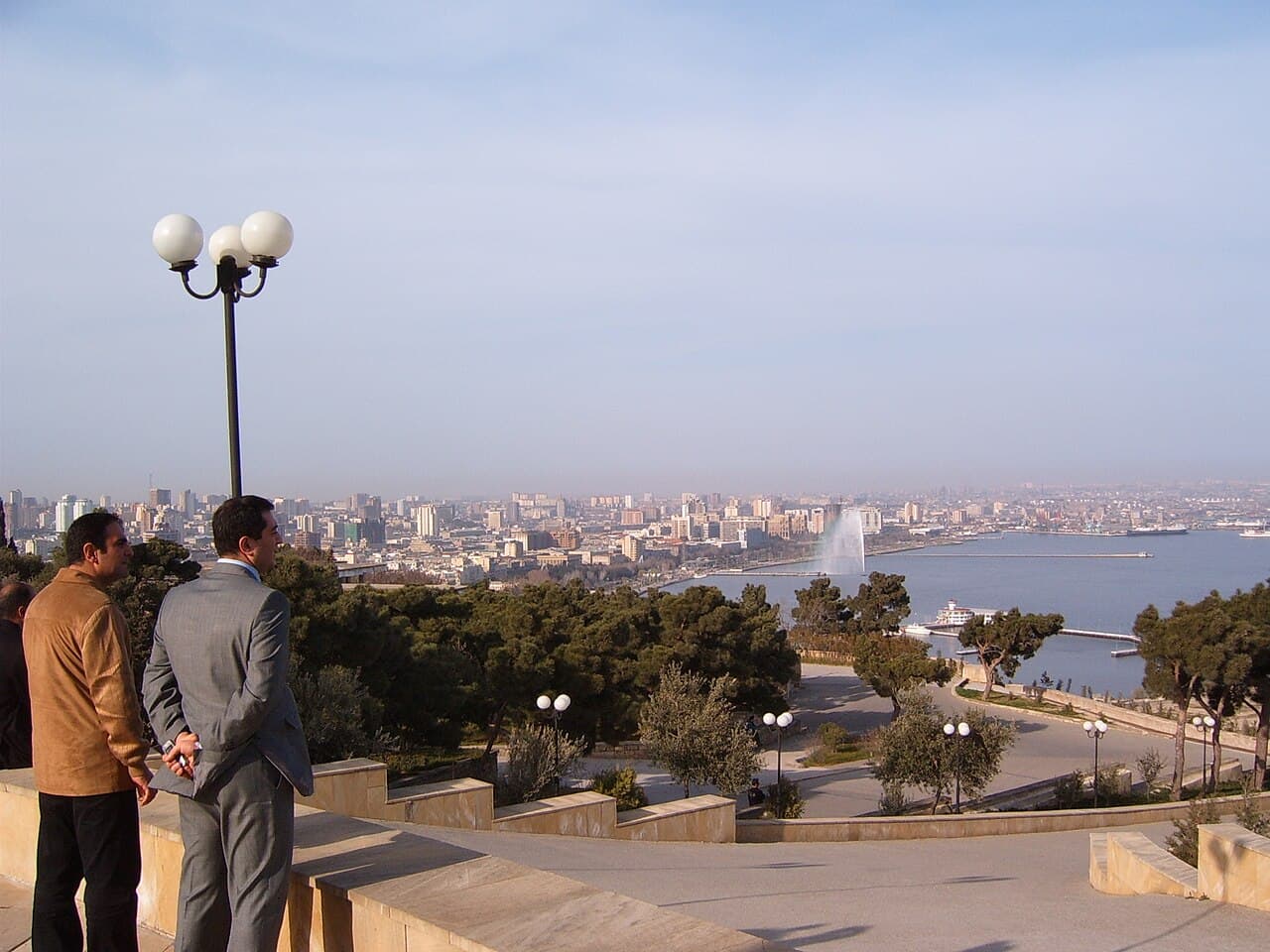
Tens of thousands of hectares left contaminated by the Soviet oil era, a World Bank rehabilitation programme, and the White City built on the Black City
Read more →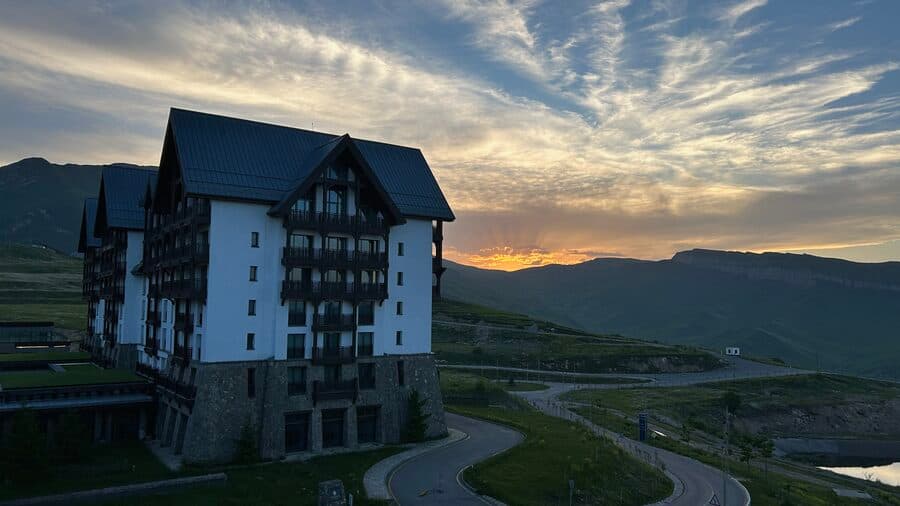 Azerbaijan cities & regions
Buying Property Near Shahdag: A Guide to Azerbaijan's Ski Real Estate
Resort apartments and chalets around Shahdag Mountain Resort - rental yield potential from ski tourism, price comparison with the Alps, and what distant owners should know
Read more → Azerbaijan cities & regions
Buying Near Tufandag: Real Estate at Gabala's Ski Resort
Chalets, hotel-apartments and two seasons of demand - what buyers should know about property near Gabala's mountain resort
Read more →