A Due Diligence Checklist for Anyone Considering a Purchase at Miami Residence
Published on 2026-08-16 · 5 min read

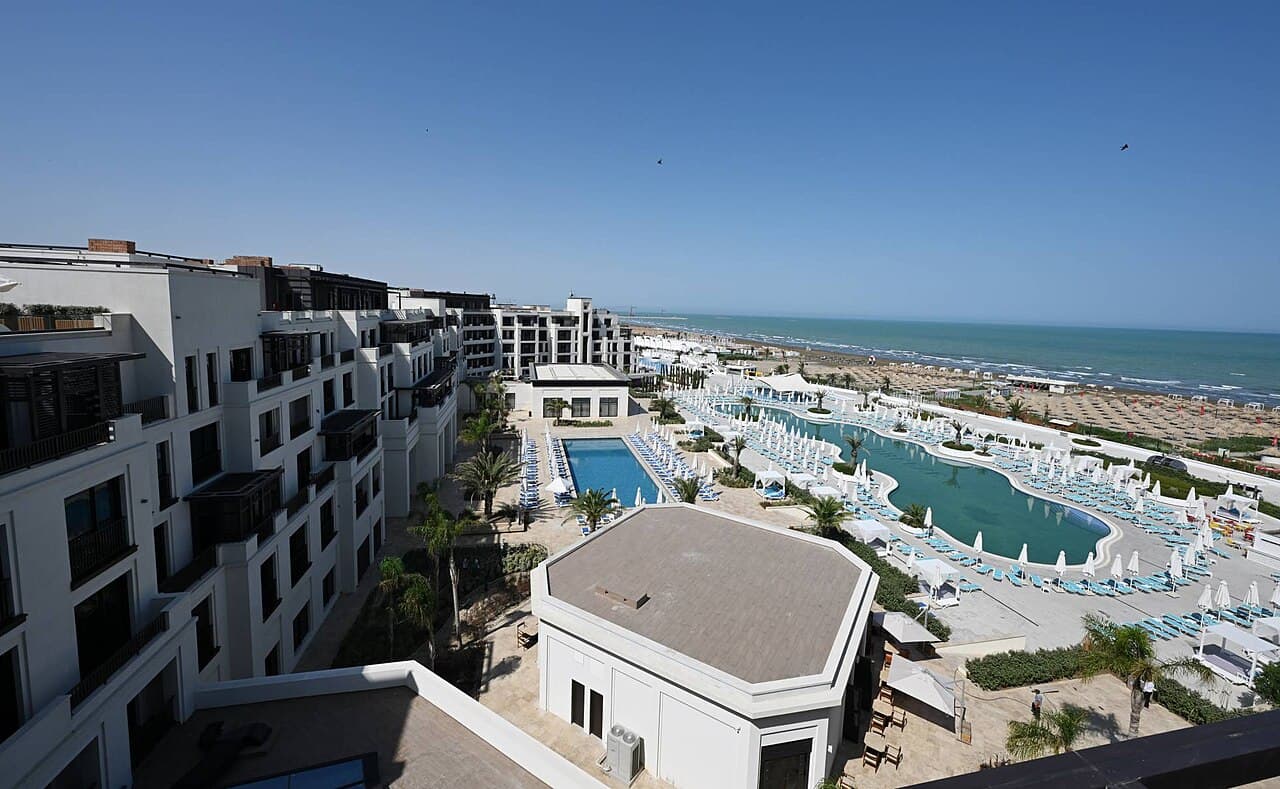
Buying into a large resort-residential development like Miami Residence, part of the Sea Breeze resort city on the Caspian coast near Baku, involves the same categories of due diligence as any significant real estate purchase — plus a few considerations specific to large, multi-phase, branded resort projects. This is not a sales pitch and not a step-by-step transaction guide; it's a general checklist of what a careful, informed buyer typically verifies before committing to a purchase, whether at this project or any comparable one.
Verify Title and Land Registration
The starting point for any property purchase is confirming clean, verifiable title to the underlying land and, once built, to the specific unit. For an off-plan or in-progress development, this means asking what land rights the developer actually holds, whether those rights are registered with the relevant Azerbaijani state authority, and whether any liens, disputes, or encumbrances exist on the property. A buyer should request documentation directly rather than relying on a developer's verbal assurance, and — ideally — have that documentation reviewed by independent local counsel who has no financial relationship with the seller or developer.
Confirm the Developer's Track Record
Sea Breeze is associated with Agalarov Development, a company with a history in large hospitality and mixed-use projects, which is a reasonable starting point for assessing credibility — but a name recognition alone isn't a substitute for specific research. Worth checking: which previous projects the developer has actually completed and delivered on the timeline originally promised; whether any past projects were significantly delayed, scaled back, or left unfinished; and how the developer has handled disputes or complaints from previous buyers, where such information is available. A long, successful track record is reassuring; a short one, or one with unresolved controversies, is a reason to dig deeper rather than a disqualifier on its own — but either way, it's worth knowing before committing funds.
Review the Contract Terms Carefully
Purchase contracts for large resort developments, particularly for off-plan or in-progress units, often contain provisions that materially affect a buyer's position: what happens if construction is delayed beyond the stated timeline; whether the buyer has a right to a refund, and under what conditions; how disputes are resolved (local courts, international arbitration, or another mechanism); what exactly is included in the purchase (unit only, versus specific finishes, parking, storage, or amenity access); and whether currency terms are fixed or subject to change. These clauses are often standard in template contracts and easy to skim past, but they are precisely the terms that matter most if something doesn't go as planned. Independent legal review of the actual contract — not just marketing materials — is the only reliable way to understand what's actually being agreed to.
Understand the Payment Schedule
Off-plan and phased developments typically require payments tied to construction milestones rather than a single lump sum at closing. It's worth understanding exactly what those milestones are, how they're verified (who confirms a milestone has been reached, and how), what happens to funds already paid if the project stalls or is significantly delayed, and whether payments are held in any kind of escrow or protective mechanism versus paid directly to the developer with no intermediary safeguard. The presence or absence of payment protection mechanisms is one of the more consequential, and sometimes overlooked, differences between developments — and a reasonable thing to ask about directly and in writing.
Consult Independent Local Counsel
None of the above steps substitute for professional legal advice from a lawyer licensed in Azerbaijan, engaged independently by the buyer rather than recommended exclusively by the developer or sales agent. An independent lawyer can verify title and registration status directly with the relevant authorities, review the actual purchase contract clause by clause, flag any terms that are unusual or unfavorable relative to standard practice, and advise on tax and residency implications tied to foreign ownership, which vary depending on the buyer's nationality and circumstances. The cost of independent legal review is generally small relative to the size of a real estate purchase, and it is one of the more reliable ways to reduce risk in an unfamiliar legal and regulatory environment.
Ask About Project Status, Not Just the Sales Pitch
Given that Miami Residence sits within a much larger, multi-phase Sea Breeze masterplan, it's also worth asking pointed, verifiable questions about status: what has actually been built to date, as opposed to announced or rendered; what the realistic timeline is for the specific building or unit in question, distinct from the resort's broader ambitions; and what recourse exists if delivery is delayed. A credible developer or sales representative should be able to answer these directly, with reference to current construction progress rather than only marketing materials.
Bottom Line
None of these steps are unique to Miami Residence — they apply to any significant purchase within a large, multi-phase, foreign-market development. The core principle is straightforward: verify independently what can be verified (title, registration, developer history), read the actual contract rather than relying on summaries, understand exactly how and when payments are protected, and engage a lawyer who works for the buyer alone. Careful due diligence doesn't guarantee a good outcome, but skipping it meaningfully increases the risk of an unpleasant one.
Related Articles
Legal & tax mattersBuying Property in Azerbaijan: A Guide for Foreigners
What a foreigner may and may not buy in Azerbaijan, how the notary and land registry process works, which costs actually apply, and why owning a flat differs from owning land
Read more → Legal & tax matters
Buying Property in Baku Remotely: Doing It Properly
Can you buy a property in Baku without flying — power of attorney, a local representative, virtual tours, independent verification and the risks you must know
Read more →Legal & tax mattersBaku Mortgages and Housing Credit: Market State 2026
The Azerbaijani mortgage market — state-subsidised programmes, interest rates, access for foreigners and how credit expansion affects housing prices in Baku
Read more →