How Foreign Buyers Typically Finance Premium Property Purchases in Azerbaijan
Published on 2026-08-16 · 4 min read
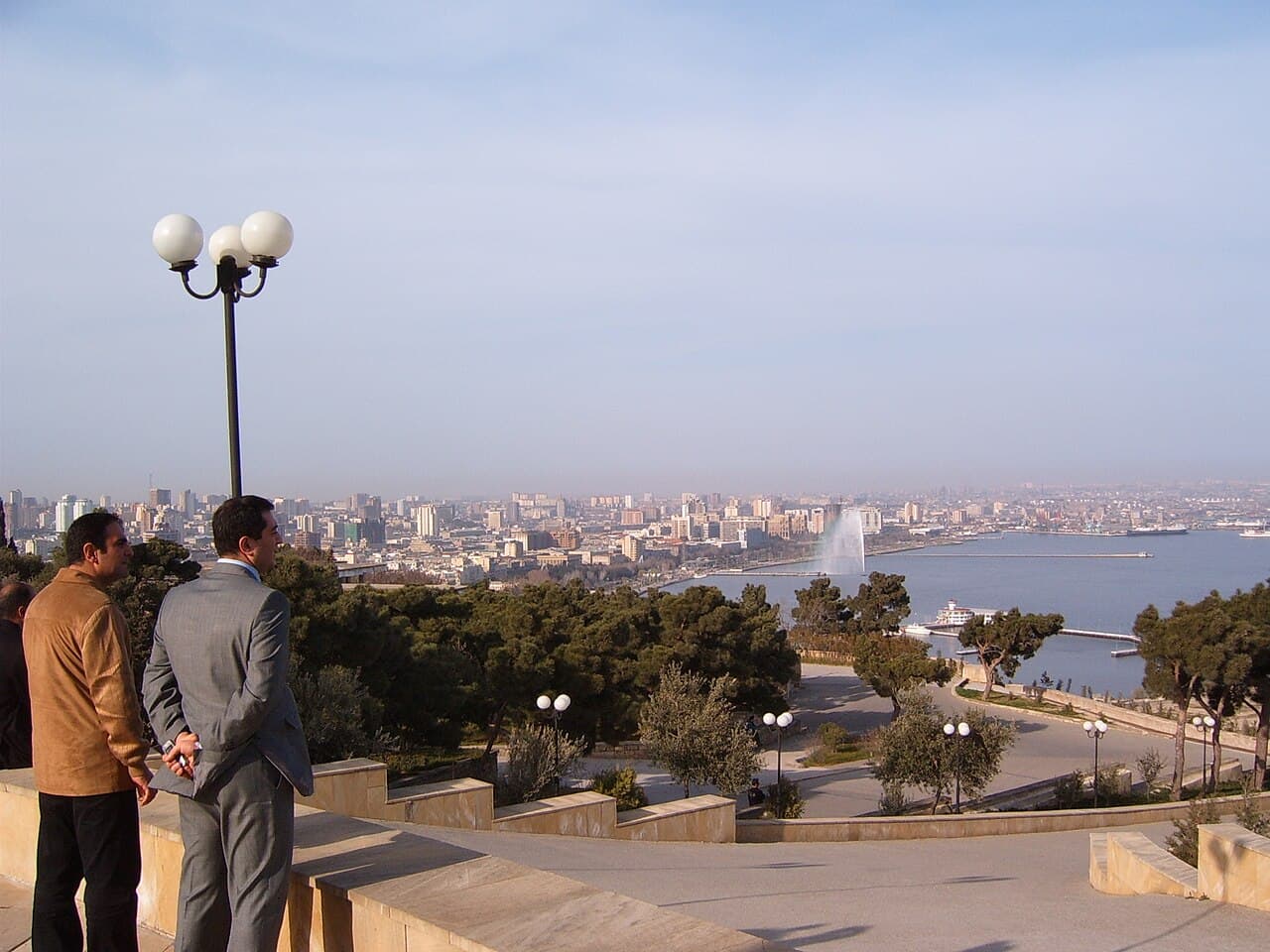
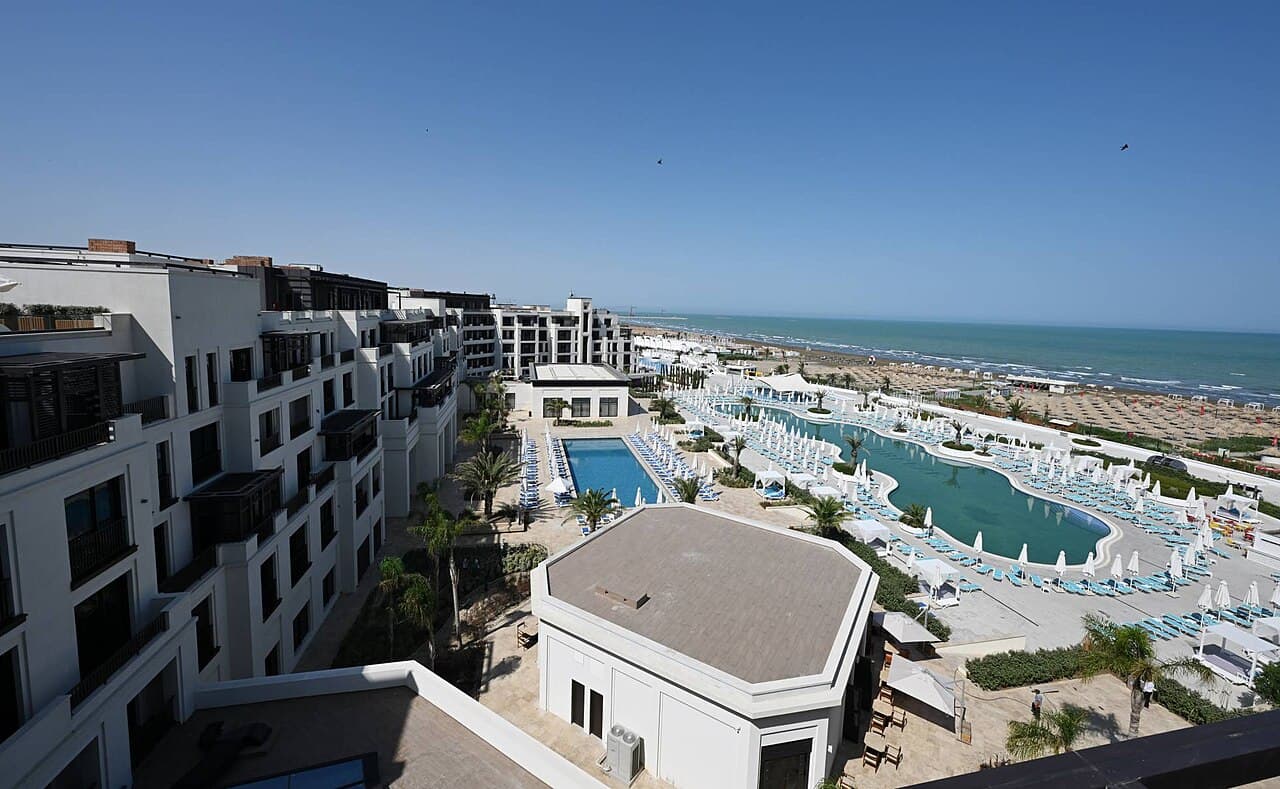
Financing is one of the first practical questions foreign buyers tend to raise when researching a premium property purchase in Azerbaijan, whether at a development like Miami Residence or elsewhere in the market. This is a general look at how foreign buyers typically approach financing in this market — not a promise of specific terms for any particular project, and not financial advice. Anyone evaluating a purchase should confirm current options directly with banks, developers, and qualified advisors.
Mortgage Access for Foreign Buyers
Local mortgage financing from Azerbaijani banks is generally more accessible to citizens and residents than to non-resident foreign buyers, and where it is available to foreigners at all, it typically comes with stricter conditions — larger down payments, shorter terms, higher interest rates, or a requirement for local income or residency status — than domestic buyers would face. This mirrors a broader pattern seen in many emerging real estate markets, where local banks are cautious about lending against overseas income or credit history that's harder for them to verify and enforce against. Foreign buyers should generally assume that local bank mortgage financing is not a default option, and should confirm current eligibility directly with specific banks rather than assuming availability based on practices in other countries.
Cash Purchases: Still the Common Path
Given the limits on local mortgage access, cash purchase remains the most common financing path for foreign buyers acquiring premium property in Azerbaijan, particularly for off-plan or resort-style developments aimed at an international buyer base. This pattern isn't unique to Azerbaijan — it's typical across many markets where foreign buyers represent a meaningful share of premium real estate demand but local mortgage infrastructure isn't built around serving them. Buyers planning a cash purchase should still budget for the practical logistics of moving funds internationally, including bank transfer processes, any reporting requirements in their home country, and reasonable timelines for the transfer and verification of larger sums.
Developer Payment Plans
In the absence of widespread mortgage access, many developers in Azerbaijan's premium segment — as in comparable resort and branded-residence markets elsewhere — offer their own staged payment plans for off-plan purchases, allowing buyers to spread payments across construction milestones rather than paying the full price upfront. These developer-financed plans function differently from a bank mortgage: they're typically shorter in duration, tied to construction progress rather than a fixed amortization schedule, and don't usually involve a credit check or interest structure the way a bank loan would, though some plans do carry a surcharge for extended terms. Specific terms — deposit size, number of installments, and any surcharges — vary by developer and by project, and should be requested directly rather than assumed.
International Financing Alternatives
Some foreign buyers finance overseas property purchases through mechanisms unrelated to the local Azerbaijani banking system: a home-country mortgage refinance or home-equity facility secured against property they already own, financing through an international private bank if they hold a qualifying relationship, or in some cases specialized overseas-property lenders that operate across specific regional markets. These routes depend heavily on the buyer's home-country banking relationships and financial profile, and availability varies significantly by nationality and by lender — general market commentary on Azerbaijan can't substitute for advice from a buyer's own bank or financial advisor about what's actually available to them.
Currency and Transfer Considerations
Because financing typically originates outside Azerbaijan while the purchase is denominated in local terms or in a foreign currency set by the developer, currency exposure is a real factor for foreign buyers to plan around, distinct from the financing method itself. Exchange-rate movement between the time funds are committed and when installments are actually due can affect the real cost of a staged payment plan, and buyers should factor in international transfer fees and any currency-conversion spread charged by their bank when comparing a cash purchase against a payment-plan option.
Practical Takeaways
For a foreign buyer evaluating a premium purchase in Azerbaijan, the practical financing landscape generally comes down to three realistic paths: cash purchase, a developer's own staged payment plan, or financing arranged through the buyer's home-country banking relationships — with local Azerbaijani bank mortgages being the least accessible option for non-residents in most cases. None of these paths should be assumed available, or assumed to carry specific terms, without direct confirmation: mortgage eligibility, payment-plan structures, and international financing options all depend on individual circumstances and should be verified with the relevant bank, developer, or advisor before making purchase decisions.
Related Articles
 Real estate investing
The Israel-Azerbaijan-US Triangle in 2026
An AI memorandum, an American strategic charter and talks on a trilateral format. What is actually new here, what was already in place, and what it means for buyers
Read more → Real estate investing
How Dependent Is Azerbaijan's Economy on Oil, Really?
The non-oil sector reaches 75.8% of GDP in 2026, but that share is rising for two different reasons. The official figures, the IMF's view, and what it means for buyers
Read more →Real estate investingThe Armenia-Azerbaijan Peace Deal: Where It Stands
The agreement was initialed in August 2025 but remains unsigned. What was agreed, what is blocking signature, what the Armenian election changed, and what it means for owners
Read more →