Sustainability and Green Design: What to Ask About at Miami Residence
Published on 2026-08-16 · 4 min read
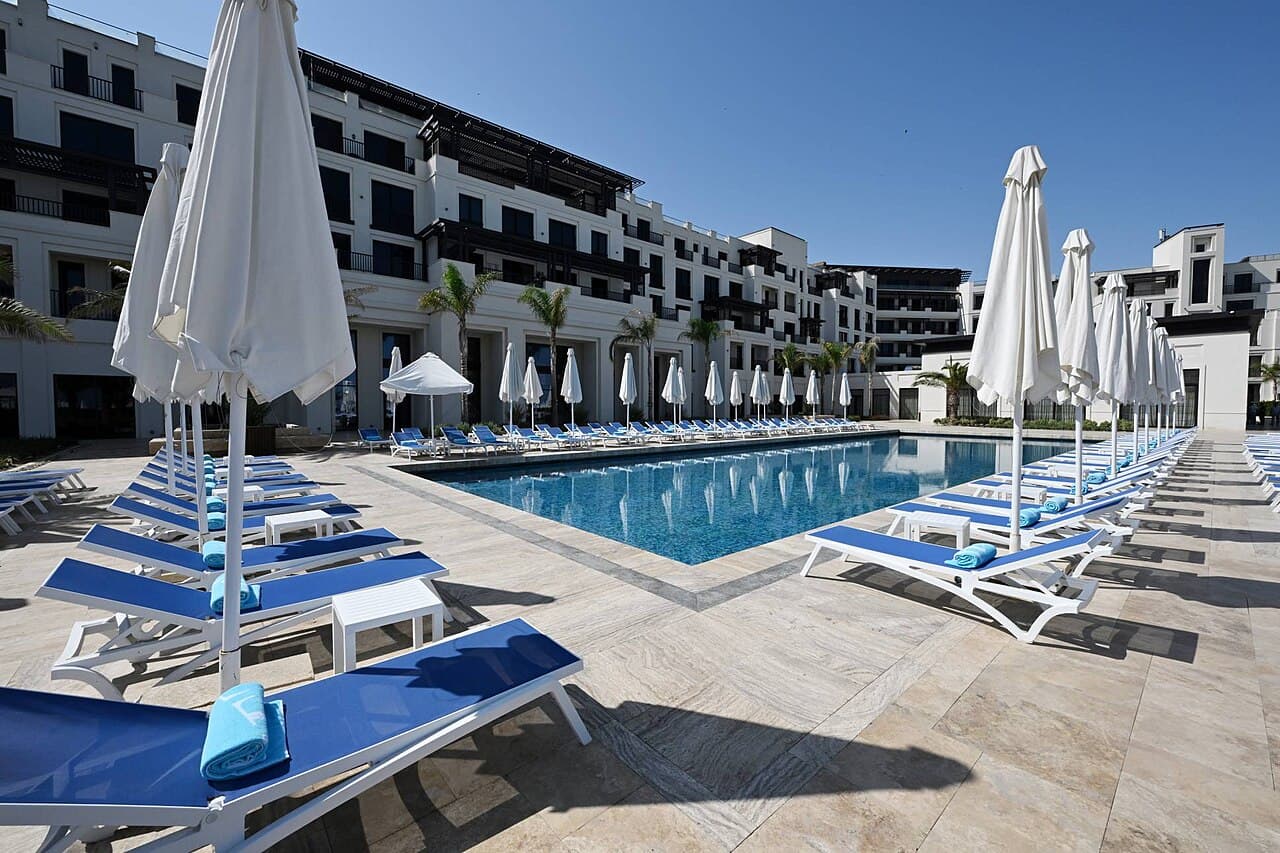
Sustainability has become a standard talking point in resort and residential marketing worldwide, and large coastal developments like Sea Breeze, the resort city in which Miami Residence sits, are no exception to buyers increasingly asking about it. This article does not claim to know what specific sustainability measures, if any, apply to Miami Residence — public materials reviewed for this piece do not include independently verifiable certifications, energy-performance data, or environmental-impact documentation for the project. Instead, it lays out the sustainability questions that matter for large coastal resort developments in general, so that anyone evaluating Miami Residence — or any comparable project — knows what to actually ask about rather than assuming green credentials from marketing language alone.
Why Sustainability Matters More for Coastal Resort Developments
Large-scale coastal developments carry a distinct set of environmental considerations compared to inland urban construction. Coastlines are ecologically sensitive zones — construction, dredging, and land alteration can affect local marine habitats, water circulation, and shoreline erosion patterns. Resort developments with extensive pool areas, landscaped grounds, and high seasonal occupancy also tend to have significant water and energy demands relative to their footprint, particularly if landscaping relies on non-native, water-intensive planting or if pools and shared amenities are run at full capacity outside of true peak-efficiency operation. None of this is unique to Sea Breeze or the Caspian coast — it applies broadly to resort-scale coastal construction anywhere in the world, and it's the backdrop against which any project's specific practices should be evaluated.
What "Green" Claims Typically Cover
When developers do make sustainability claims, they generally fall into a few recognizable categories: recognized certifications (such as LEED, BREEAM, or similar regional green-building standards); specific technical measures (solar power integration, greywater recycling, energy-efficient building envelopes, native or low-water landscaping); and broader environmental-impact commitments related to construction practices, waste management, or marine ecosystem protection during and after building. A credible sustainability claim is usually backed by a named certification body, a published technical standard, or a specific, checkable measure — as opposed to general language about being "eco-friendly" or "sustainably designed" without further detail.
What Isn't Confirmed for Miami Residence Specifically
To be direct about the limits of what can be said here: this article did not find independently verifiable, specific sustainability certifications, energy-performance ratings, or detailed environmental-impact disclosures tied to Miami Residence or the broader Sea Breeze development in the materials reviewed. That doesn't mean such measures don't exist — large developers sometimes hold certifications or apply technical standards that aren't prominently featured in general-audience marketing materials. But it does mean that any specific green-building claim about this project should be treated as unconfirmed until verified directly with the developer, rather than assumed based on the resort's general design language or the fact that sustainability is a common industry talking point.
Questions Worth Asking a Developer or Sales Representative
Anyone who considers sustainability a meaningful factor in evaluating Miami Residence, or a comparable project, should ask specific, checkable questions rather than accepting general assurances: Is the project pursuing or holding any recognized green-building certification, and if so, which one and at what stage? What is the source of water for pools, landscaping, and residential use, and are there water-recycling or conservation measures in place? What energy sources power the development, and are there any renewable-energy components? What environmental-impact assessments, if any, were conducted regarding coastal construction and marine ecology, and are they publicly available? Answers backed by specific documentation are meaningfully different from general reassurance, and it's reasonable to expect a serious developer to be able to provide at least some of this detail on request.
What Buyers Commonly Look For, in General
Beyond Miami Residence specifically, buyers who prioritize sustainability in resort or residential real estate more broadly tend to look for a consistent set of signals: third-party certification rather than self-reported claims; transparency about water and energy sourcing; evidence of environmental review tied to construction, particularly for coastal or land-reclamation projects; and ongoing operational practices (not just construction-phase claims) around waste, energy use, and landscaping. These are useful general benchmarks to bring to a conversation with any developer, not a checklist specific to this project.
Bottom Line
Sustainability is a legitimate and increasingly common consideration for coastal resort developments, but it's also an area where marketing language can outpace verifiable substance. For Miami Residence specifically, there isn't public, independently confirmed detail available on certifications or specific green measures at the time of writing, so the honest position is to treat the topic as an open question rather than a settled feature — and to ask the developer directly for documentation if sustainability is a genuine factor in your decision.
Related Articles
New developmentsSea Breeze Beach vs a Public Beach in Baku
On the northern coast the water is the same water. What actually differs between a managed resort beach and a public one, where each wins, and what it means for buyers
Read more → New developments
Who Is Hagag Group? The Israeli Developer Entering Sea Breeze in Baku
A factual look at Hagag Group, the publicly-traded Israeli developer that signed a memorandum of understanding for a project within Sea Breeze in Azerbaijan
Read more → New developments
Hagag Group in Israel vs. Baku: What the Move Into a New, Unconfirmed Deal Actually Means
A factual comparison of Hagag Group's established Israeli track record against its new, non-binding memorandum for two projects at Sea Breeze in Azerbaijan
Read more →