Hagag in Baku: Deal Status Tracker
Published on 2026-10-23 · 6 min read
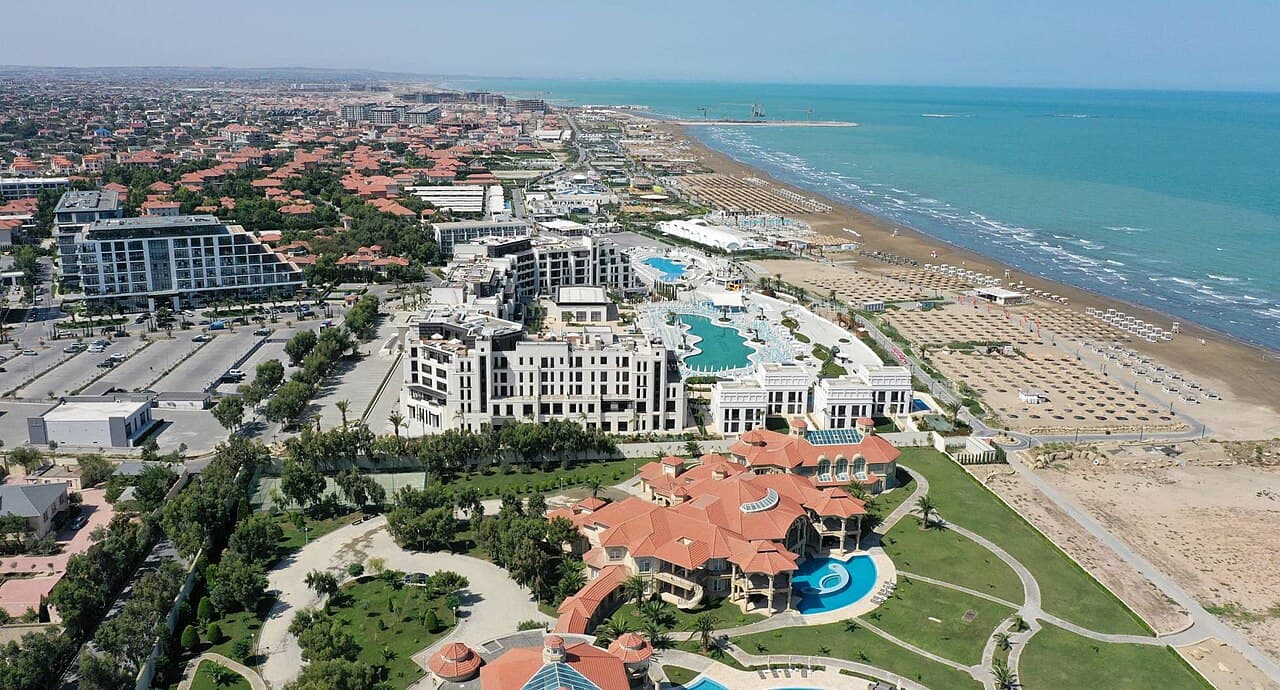
This page exists because the most common question about the Hagag Group transaction at Sea Breeze has no answer in any article written at the time it was announced: what happened next.
It is maintained as a tracker rather than a news story. Every entry is dated, nothing is predicted, and the absence of news is recorded as what it is - an absence, not a conclusion.
Status as of 23 October 2026
No binding agreement has been publicly announced. No withdrawal has been publicly announced.
The transaction remains, on the public record, at the memorandum-of-understanding stage reported on 24 August 2026. The due diligence described in that reporting as taking place "in the coming month" - that is, during September 2026 - has produced no published outcome either way.
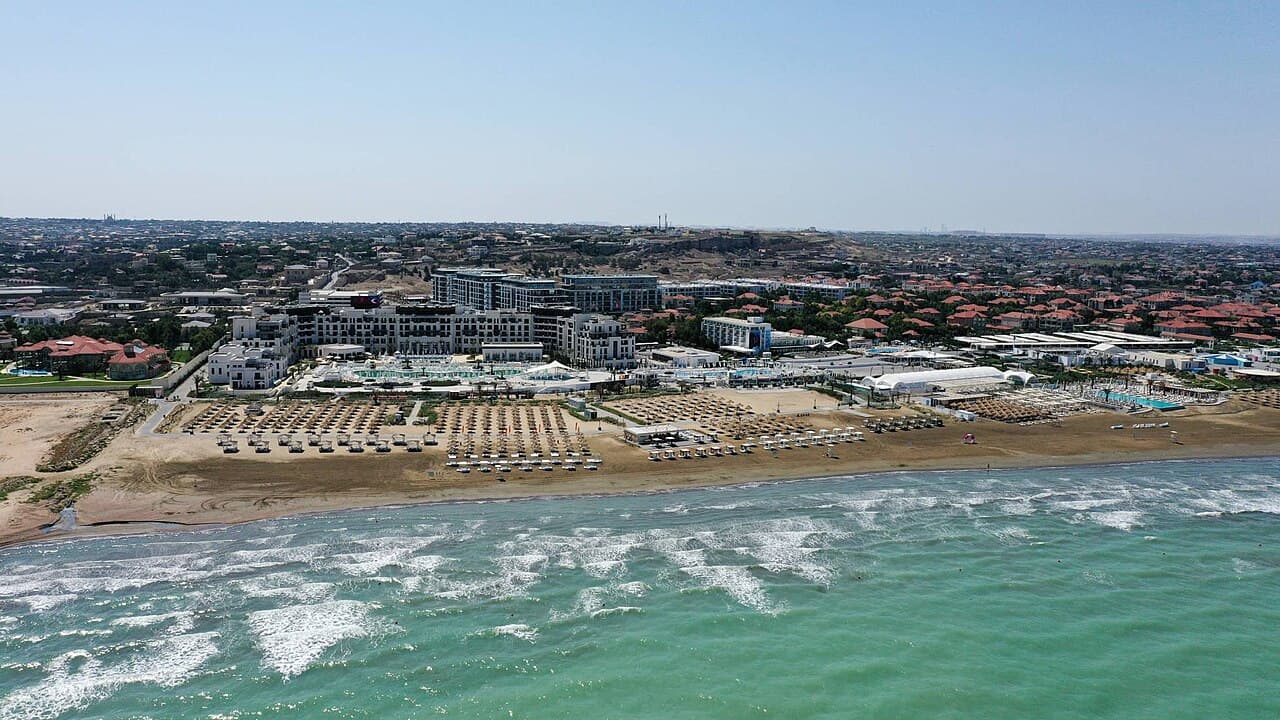
Timeline
| Date | Event | Source quality |
|---|---|---|
| 24 August 2026 | Hagag Group reports to the Tel Aviv Stock Exchange that it has signed memoranda of understanding for two residential plots at Sea Breeze: ~2,475 and ~1,000 units, ~358,000 sqm, land cost up to $93 million, Hagag ~80% with an unnamed local partner ~20%, most of the land payment expected from apartment sale proceeds, entry prices reported from ~$150,000. Due diligence stated for "the coming month" | Exchange filing, reported across Israeli business press the same day |
| September 2026 | The stated due diligence window. No outcome published | Absence of reporting |
| 26 September 2026 | Separately, Emin Agalarov tells Report.az that only 10-15% of Sea Breeze's planned work is complete, with seven to eight years to implement everything designed. Context for any new project's timetable | Named interview |
| 23 October 2026 | Searches in Hebrew and English find no announcement of binding agreements, no due diligence outcome, and no cancellation | Absence of reporting |
What "No News" Does and Does Not Mean
This is the part that gets misread in both directions, so it is worth stating precisely.
It does not mean the deal collapsed. Transactions of this size routinely take longer than the first press cycle suggests. Extended due diligence, renegotiated terms and quiet progress all look identical from outside: like silence.
It does not mean the deal is proceeding. An MOU that has passed its stated due diligence window without a binding agreement is, on the public record, exactly where it was - and no further along.
It does mean the next real information will be a filing, not a brochure. Hagag Group is listed in Tel Aviv and is obliged to disclose material developments. Whatever happens, there will usually be a document, with a date, that anyone can read.
What Would Count as a Real Update
Four things would move this page. Anything else is noise.
- A binding agreement, disclosed to the exchange. This is the threshold event. Until it occurs, there is no project.
- A disclosed outcome of the due diligence, including any revision to the $93 million land cost, the unit counts, or the ownership split.
- The naming of the local partner. The 20% holder has never been identified publicly, and the identity would tell you a good deal about how the project will be built.
- A withdrawal or lapse, disclosed or reported.
What would not count: a sales agent describing the project as under way, a brochure, a rendering, a third-party listing site advertising units, or a repeat of the August coverage with a new date on it.
Three Scenarios, and What Each Would Mean
It becomes binding. A fourth major developer commits to Sea Breeze, adding roughly 3,500 units to a resort its founder describes as 10-15% built. For existing owners that means more competition at resale and more residents supporting year-round services. For buyers it means a new counterparty with no completed Azerbaijani project but a real balance sheet and an obligation to disclose.
It lapses quietly. The most likely outcome of any given MOU in any market, and the least reported. Nothing would change at Sea Breeze except that a planned supply increase does not arrive, which is mildly positive for existing owners and neutral for everyone else.
It is restructured. Different plots, fewer units, a different partner split, or a staged acquisition. This is common and it is why the specific figures in the August reporting should be treated as a starting position rather than a specification.
What the Due Diligence Was Probably Looking At
A land acquisition of this size in Azerbaijan has a fairly predictable checklist, and knowing it tells you what could realistically have held the deal up.
Title and the land regime. Foreign nationals and foreign legal entities cannot hold ownership title to land in Azerbaijan - the standard route is a long lease, commonly cited at up to 99 years, or a locally incorporated company. For a transaction whose asset is specifically land rather than buildings, this is the central legal question, not a footnote, and it is a plausible reason for a review to run long.
Permitted density. The reported 3,500 units across 358,000 square metres implies a specific build volume. Whether that density is permitted on those plots, and under what approvals, determines whether the $93 million land price makes sense. A reduction in permitted units changes the price, not just the plan.
The 20% partner's role and obligations. What the local partner contributes - land access, permitting, construction management, capital - and what happens if it fails to perform.
Infrastructure responsibility. In a master-planned resort, who pays for and guarantees the roads, water, power and sewerage serving a new plot is a negotiated question. The answer can move tens of millions of dollars.
None of this is unusual, and none of it is a red flag. It is the ordinary content of a serious review, and it is why a one-month window for due diligence on a $93 million land purchase in a foreign jurisdiction was always an ambitious estimate rather than a deadline.
How to Check It Yourself
The primary source is Hagag Group's own filings to the Tel Aviv Stock Exchange, which are public. Israeli business press - Bizportal, Nadlan Center, Israel Hayom, Calcalist, Globes - reports material filings quickly, so a search in Hebrew for the company name plus Baku will surface anything new faster than an English-language search will. That asymmetry is worth knowing: this is a story that lives in Hebrew, and searching only in English produces the false impression that nothing was ever reported at all.
For the deal's full terms as reported, see our detailed breakdown. For how Hagag compares with the companies already building at Sea Breeze, see the developer scorecard, and for the existing site coverage of the announcement, the Sea Breeze deal page and project timeline and status.
Why a Tracker Rather Than an Article
Because the value of this information decays, and because a dated page is honest in a way an undated one cannot be.
An article written in August 2026 that says due diligence is expected "in the coming month" is accurate on the day it is published and misleading six months later, without a single word changing. A tracker solves that by making the date of the last check part of the content. If you are reading this and the date at the top is months old, treat the status line as a last known position rather than as current - and go to the filings.
That is also the right way to read anything else you are told about this transaction. There is a company with a disclosure obligation at the centre of it. Everything else is commentary, including this page.
New developmentsPalazzo del Mare: the Nearest Front-Row Handover at Sea Breeze
Palazzo del Mare completes January 2027, the nearest first-coastline handover at Sea Breeze. It is sold as a shell and publishes no per-square-metre rate at all
Read more →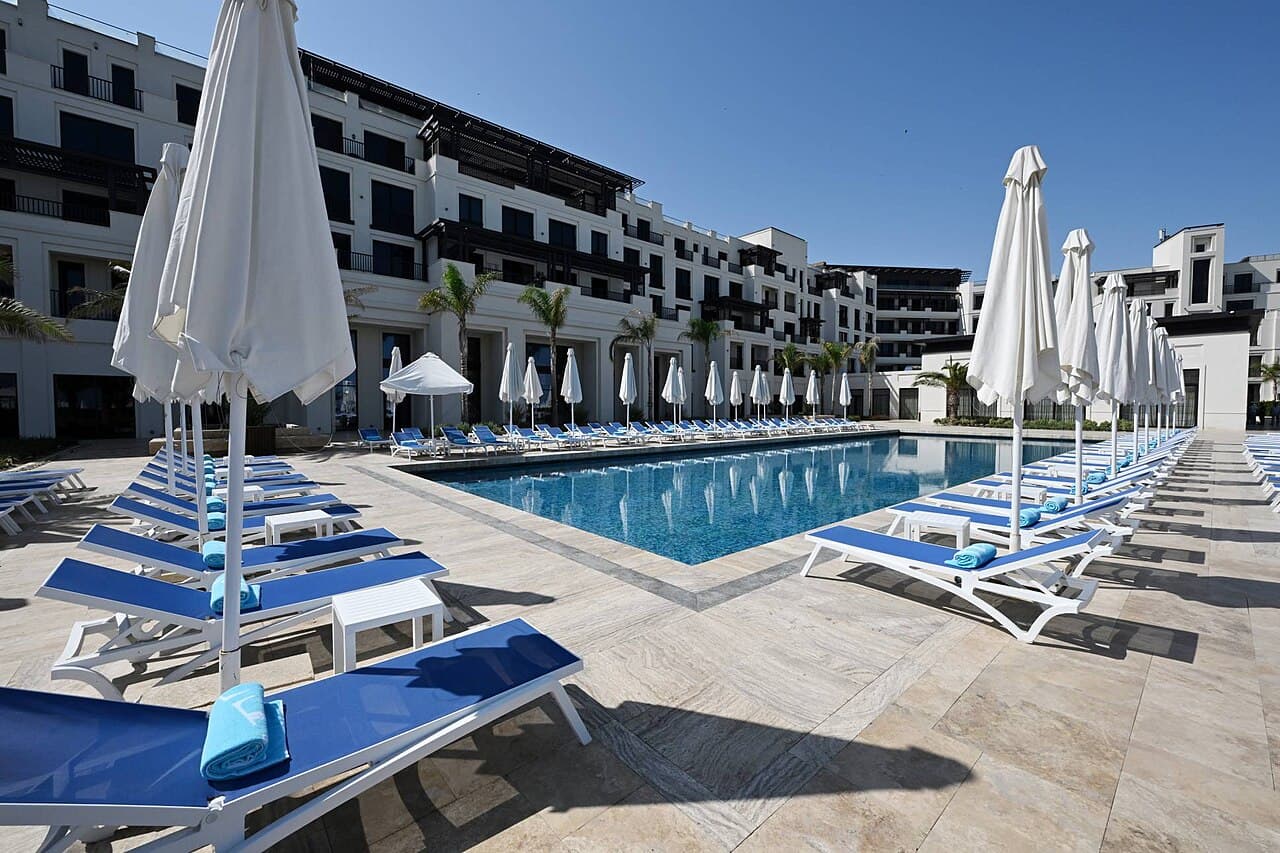 New developments
The Three Palazzos at Sea Breeze: What the Catalogue Stops Publishing Once a Project Sells Out
Palazzo del Sol, della Luna and del Verdi Rosa are delivered, low-rise and unbuyable. Five of the forty Sea Breeze projects publish no price, and these are three of them
Read more →New developmentsPalm Beach at Sea Breeze: the Advertised Rate That Almost Works
681 apartments, 62-486 m2, December 2027, from $185,000. Its $2,800/m2 is the closest any rate in this catalogue comes to working, and it still misses both ends
Read more →