Understanding Construction Timelines for Resort Projects Like Miami Residence
Published on 2026-08-16 · 4 min read
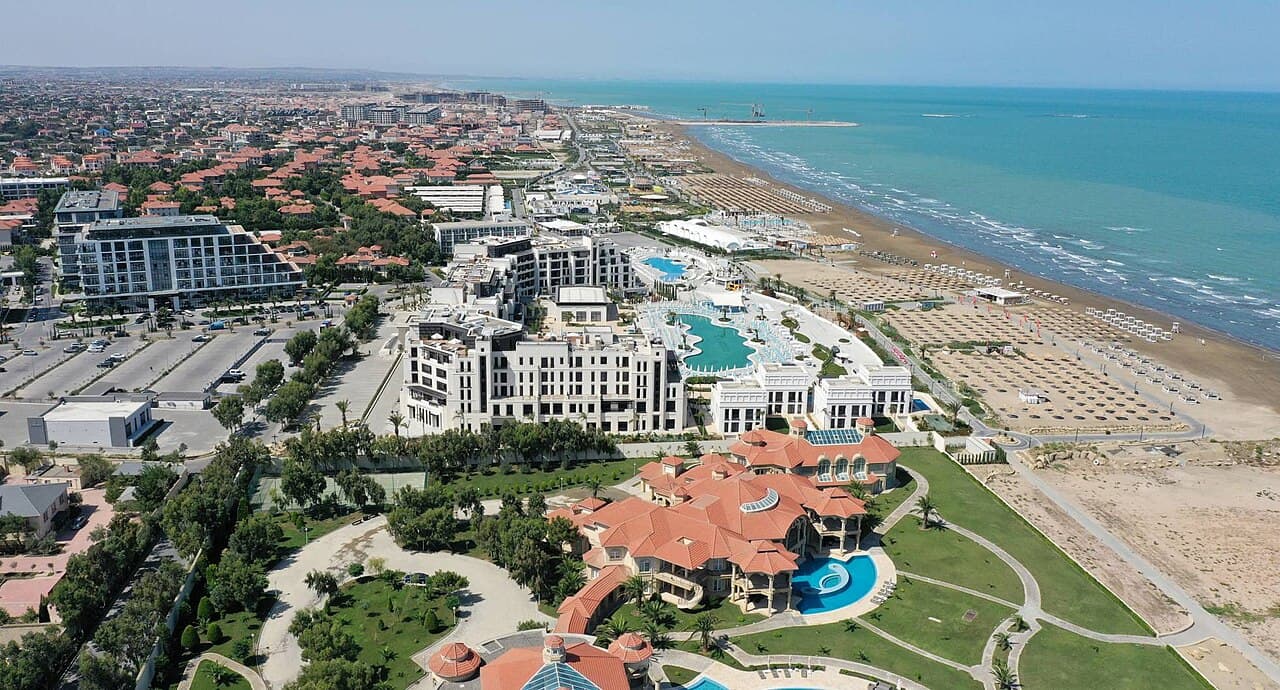
Miami Residence is one of the residential complexes within Sea Breeze, the Caspian coastal resort development roughly 22 minutes from Baku. Like most large resort residential projects, it involves a construction process that unfolds over multiple stages and years rather than a single build phase. This article offers general guidance on how to think about timelines for projects of this type - it does not state or estimate a specific completion date for Miami Residence, which should be confirmed directly with the developer.
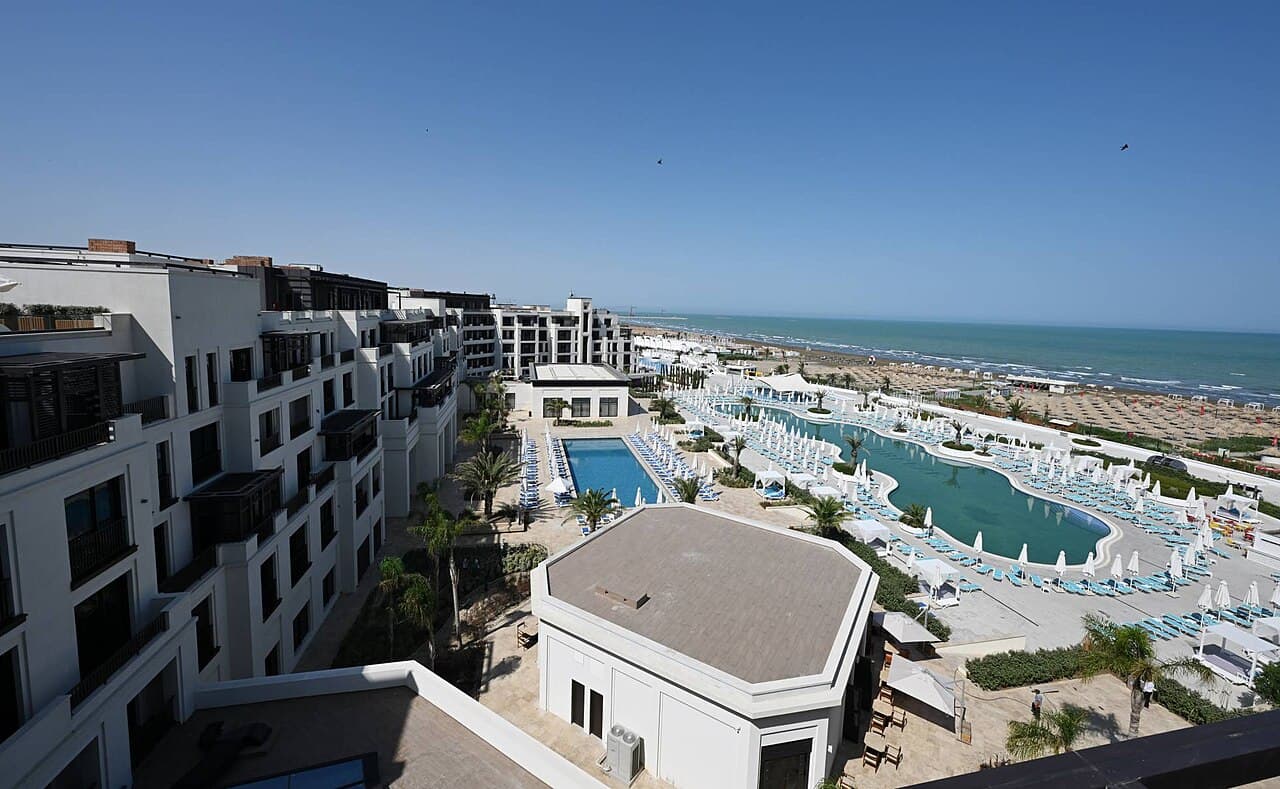
Why Large Resort Projects Take Time
A resort residential complex isn't just a single building - it typically involves several structures, shared infrastructure like pools and landscaped areas, utility connections, and often commercial or retail spaces built alongside the residential towers. Coordinating all of this across multiple buildings, as appears to be the case with Miami Residence's five structures, generally takes longer than a standalone apartment building, simply because more elements need to come together before any part of the project can be handed over and occupied.
Typical Phasing
Large residential developments generally move through a recognizable sequence: site preparation and foundational work, structural construction (the shell of each building), installation of mechanical, electrical, and plumbing systems, interior finishing, and finally inspections and handover. In multi-building resort projects, it's common for different buildings or phases to progress on different schedules - one building may reach completion and handover while others are still in structural or finishing stages. Buyers should ask which specific building and phase their unit belongs to, rather than assuming a single project-wide completion date applies uniformly.
Why Announced Dates Shift
It's a near-universal pattern in large-scale construction, not specific to any one developer or country, for initially announced completion dates to move. Common causes include permitting and regulatory approval timelines, weather-related delays (relevant for coastal construction exposed to seasonal conditions), supply chain issues affecting imported materials or finishes, and adjustments to project scope as sales phases progress. None of this means a project is troubled - shifting timelines are a normal feature of large developments - but it does mean buyers should treat early marketing dates as directional rather than contractual unless they appear as binding terms in a signed agreement.
Questions Worth Asking Before Committing
Before signing a reservation or purchase agreement for an off-plan resort unit, it's reasonable to ask the developer several things: what is the current, most recent estimated handover date for your specific building and phase, is there a penalty or compensation clause in the contract if delivery is delayed beyond a stated date, what triggers the transition from a reservation to a binding sale agreement, and how have previous phases of the same resort (if any have already been delivered) performed against their original announced timelines. A developer's track record on earlier phases within the same resort - such as any parts of Sea Breeze already completed and occupied - is often a more reliable signal than headline dates in marketing materials.
Reading Renderings and Marketing Materials Carefully
Renderings, floor plans, and marketing descriptions for a project still under construction typically represent the intended design rather than a guaranteed final state. It's worth clarifying with the developer which specific finishes, amenities, and landscaping elements are contractually guaranteed as part of your unit versus which are illustrative or dependent on later phases of the broader resort being completed. This is particularly relevant for large resort complexes where shared amenities may be delivered on a different schedule than the residential units themselves.
A General Note on Patience and Diligence
Buying into a large, still-developing resort project can be a reasonable decision for buyers who understand and accept the associated timeline uncertainty, but it is a different kind of purchase than buying a finished, ready-to-occupy apartment. Treating the construction timeline as one of several factors to research - alongside legal structure, payment terms, and the developer's broader track record - rather than as a fixed guarantee, is a more realistic way to approach a purchase of this type.
This article is intended as general background on how construction timelines typically work for large resort residential projects, and does not represent specific information about Miami Residence's schedule or any offer to sell property.
Related Articles
- Sea Breeze Construction Timeline: Built, Underway, and Announced (2026–2029)
- What Is Miami Residence? An Overview of the Sea Breeze Project in Baku
- A Due Diligence Checklist for Anyone Considering a Purchase at Miami Residence
- Investing in Baku: What a Strong Development Pipeline Signals About the Market's Future
 New developments
Sea Breeze Beach vs a Public Beach in Baku
On the northern coast the water is the same water. What actually differs between a managed resort beach and a public one, where each wins, and what it means for buyers
Read more →New developmentsWho Is Hagag Group? The Israeli Developer Entering Sea Breeze in Baku
A factual look at Hagag Group, the publicly-traded Israeli developer that signed a memorandum of understanding for a project within Sea Breeze in Azerbaijan
Read more → New developments
Hagag Group in Israel vs. Baku: What the Move Into a New, Unconfirmed Deal Actually Means
A factual comparison of Hagag Group's established Israeli track record against its new, non-binding memorandum for two projects at Sea Breeze in Azerbaijan
Read more →