Why Azerbaijan's Economic Diversification Matters for Real Estate Investors
Published on 2026-08-04 · 3 min read
For decades, foreign investors mostly saw Azerbaijan through a single lens: an oil and gas economy, tightly linked to global energy prices and their swings. That picture has been gradually changing. The government has pursued a stated strategy of reducing dependence on hydrocarbon revenue and building out other sectors of the economy. For anyone evaluating real estate opportunities in the country, this shift matters - a more diversified economy tends to be a more stable one, and economic stability is one of the key factors behind the long-term security of any investment.
From Oil to a More Diversified Economy
Azerbaijan's government has pursued a multi-year strategy to reduce reliance on oil and gas revenue, which has historically formed the backbone of the state budget. A significant share of oil income is channeled into a sovereign wealth fund (SOFAZ), which also helps finance infrastructure and non-oil sector development. Over time, non-oil sectors have come to represent a growing share of overall economic activity - a trend that international observers have noted favorably on more than one occasion.
Tourism as a Growth Driver
Tourism is one of the more visible pillars of this diversification effort. Baku, along with regions and towns such as Gabala, Sheki, and the Caucasus foothills, have become increasingly popular destinations for visitors from the Middle East, Europe, and former Soviet states. Sustained growth in tourist arrivals supports demand for short-term rental housing, boutique hospitality, and commercial property near attractions. This is one of the forces that makes investing in Azerbaijan relevant not just in the capital, but in regional areas as well.
Agriculture, Industry, and Logistics
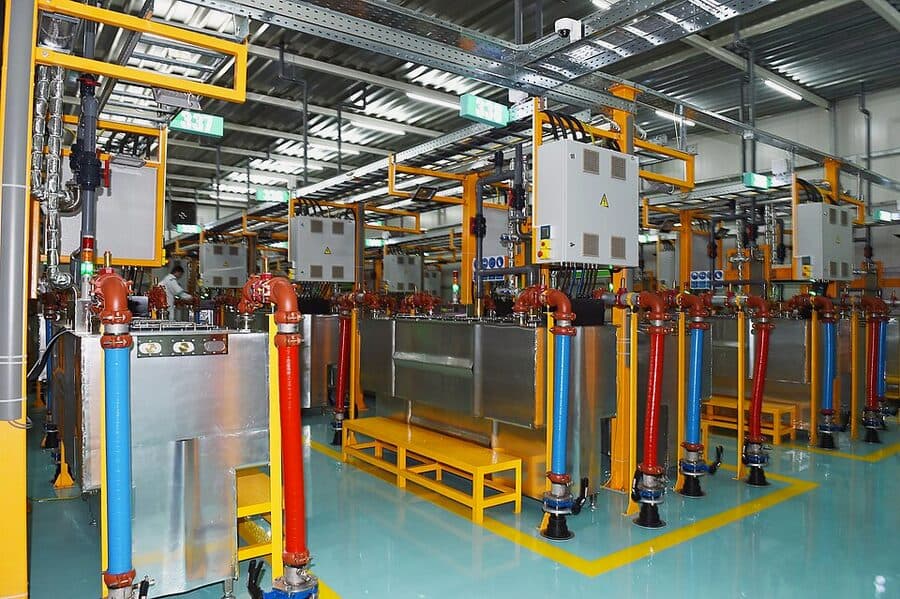
Alongside tourism, the government has invested in developing domestic agriculture - including exporting produce to neighboring markets - and in building out industrial and logistics zones across the country. Industrial parks such as the one established in Sumgayit illustrate the effort to broaden the local production base beyond petrochemicals. This kind of development supports demand for industrial and logistics real estate, creating investment opportunities that are less tied to oil price cycles.
Technology and the Digital Economy
Azerbaijan has also invested in growing its technology sector, including support for local startups, tech park development, and efforts to digitize government services. This sector remains relatively small compared to developed economies, but its growth trajectory could support future demand for modern office and commercial space in Baku and other cities.
What This Means for Property Investors
It's worth being realistic: economic diversification is a gradual process, and Azerbaijan still relies significantly on oil and gas revenue, particularly at the government budget level. That said, if the diversification trend continues, it could gradually reduce the volatility typical of economies built around a single natural resource, supporting a more stable economic environment over the medium to long term. Anyone considering investing in Azerbaijan would do well to track growth data across sectors rather than relying solely on oil trends, and to diversify across property types and regions to reduce concentrated risk.
Bottom Line
Azerbaijan's ongoing economic diversification - tourism, agriculture, industry and logistics, and a developing tech sector - creates a broader economic base that can support the real estate sector over time. This is no guarantee of high returns, but it's a relevant factor for anyone seriously considering investing in Azerbaijan who wants to understand the bigger economic picture beyond individual property listings.
Related Articles
- Baku's Economic Growth: Why It Matters for Real Estate Investors
- Why Invest in Azerbaijan: Renewable Energy and Agriculture as New Growth Engines
- Azerbaijan's Tax and Investment Incentives for Foreign Investors
- Foreign Investment Flows Into Azerbaijani Real Estate: A 2026 Overview
- Azerbaijan Real Estate Pricing: An Annual Overview and What Data Actually Exists
Real estate investingThe Israel-Azerbaijan-US Triangle in 2026
An AI memorandum, an American strategic charter and talks on a trilateral format. What is actually new here, what was already in place, and what it means for buyers
Read more → Real estate investing
How Dependent Is Azerbaijan's Economy on Oil, Really?
The non-oil sector reaches 75.8% of GDP in 2026, but that share is rising for two different reasons. The official figures, the IMF's view, and what it means for buyers
Read more → Real estate investing
The Armenia-Azerbaijan Peace Deal: Where It Stands
The agreement was initialed in August 2025 but remains unsigned. What was agreed, what is blocking signature, what the Armenian election changed, and what it means for owners
Read more →