Baku's Economic Growth: Why It Matters for Real Estate Investors
Published on 2026-08-04 · 3 min read
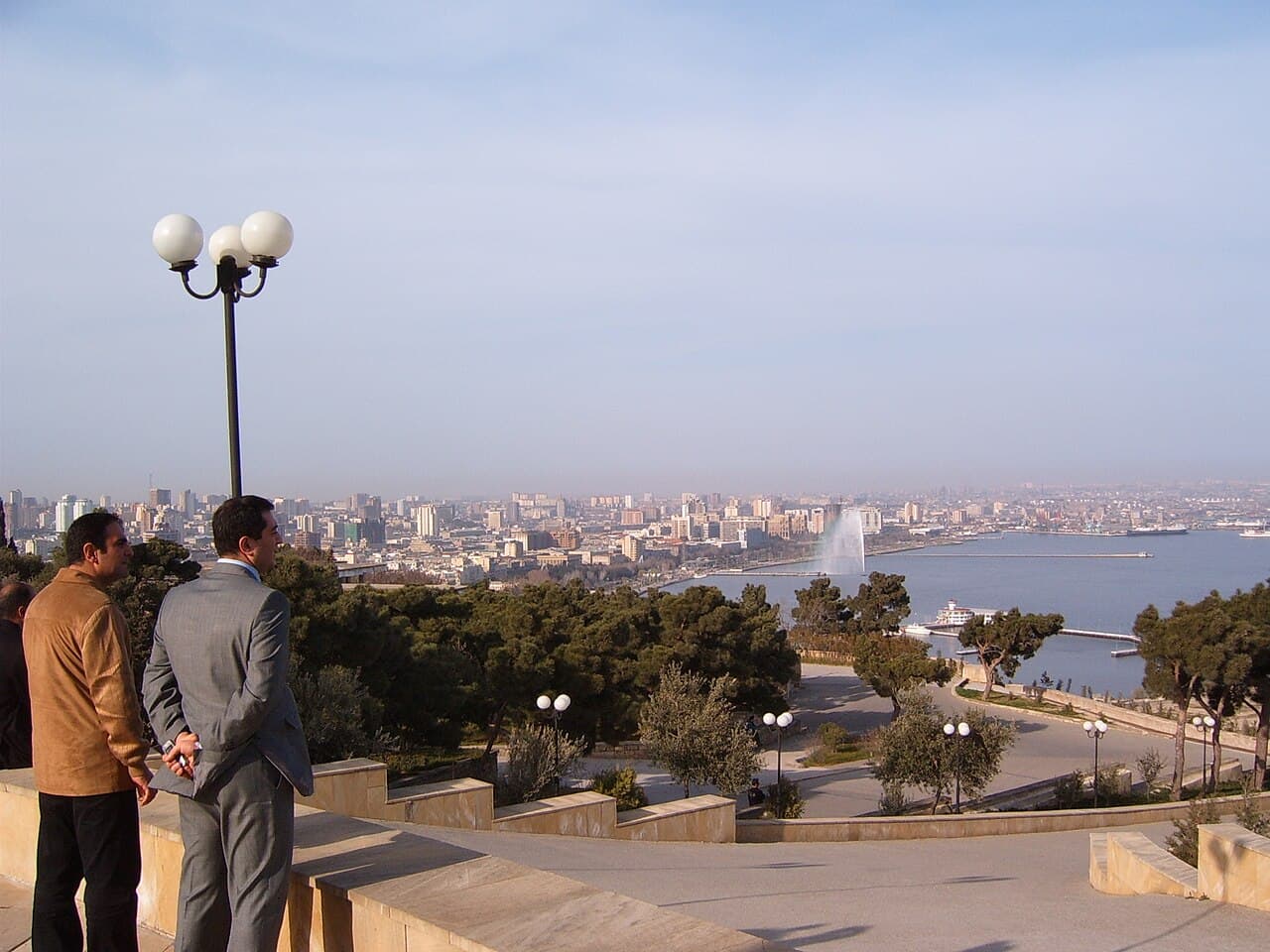
When evaluating an investment in Baku's real estate market, one of the most fundamental factors to understand is the economic dynamics of the city itself - not just national-level macro figures, but what's actually happening in Baku as the country's business, financial, and demographic hub. When economic activity concentrates in a city, natural demand emerges for housing, offices, and retail space, and that's precisely the backdrop against which investment potential grows.
The Broader Growth Trend
Azerbaijan's economy has historically been built on oil and gas exports, but recent years have shown a continuing - if not perfectly linear - trend of expansion in non-oil sectors: tourism, construction, logistics, technology, and finance. It's worth stressing that this is a general trend rather than a fixed, precise figure, since resource-based economies tend toward volatility, and growth forecasts shift year to year depending on global energy prices and domestic policy. Still, the broader direction of economic diversification is one that most international bodies recognize, and it's an important consideration for anyone weighing an investment in Baku.
Baku as a Business Concentration Point
Unlike much of the rest of the country, Baku concentrates a substantial share of Azerbaijan's economic, administrative, and financial activity. Offices of international companies, financial institutions, government headquarters, and infrastructure bodies are located in or around the city. This concentration creates a cumulative effect: jobs draw people to the city, professionals relocate there, and housing demand rises accordingly. This is one of the central reasons most conversations about investing in Baku focus on the city itself rather than more rural parts of the country.
Accelerated Urbanization and Urban Population Growth
Alongside economic growth, there's a visible pattern of internal migration from rural areas toward Baku and its metropolitan region. This process, typical of many developing economies, translates into rising demand for urban housing, particularly in neighborhoods that balance affordability with transit access. It's worth noting that the pace of urbanization isn't uniform over time and also depends on government policy around developing new areas surrounding the city - but the overall trend supports continued housing demand over the medium to long term.
What This Means in Practice for Investors
When a city concentrates business activity, a relatively young population, and positive migration flows, it creates a sustained demand base for real estate - both residential and commercial. This doesn't guarantee any specific yield or steady appreciation, but it's an economic rationale that explains why both institutional and private investors have begun examining the city more closely. Growth figures should be treated as a general indication of trend rather than a precise formula for future returns - the real estate market is also shaped by local factors like new supply, regulation, and financing conditions.
Risks and Factors Worth Monitoring
- Energy price dependence: Since a significant portion of government revenue is still tied to oil and gas, sharp declines in energy prices could indirectly affect the pace of infrastructure and real estate investment.
- Uneven diversification pace: Expanding non-oil sectors is a multi-year process, and progress may vary depending on policy and foreign investment flows.
- Data transparency: Precise urban growth figures aren't always available with full transparency, so it's advisable to rely on multiple sources rather than a single data point.
Bottom Line
Baku's economic foundation - business concentration, gradual diversification beyond oil, and sustained urbanization - provides a reasonable rationale for considering an investment in Baku as part of a diversified real estate portfolio. As with any developing market, it's advisable to treat the figures as general trends, conduct individual due diligence, and consult local professionals before making a decision.
Related Articles
- Why Azerbaijan's Economic Diversification Matters for Real Estate Investors
- Why Political and Economic Stability Make Baku Worth a Look
- Investing in Baku: What a Strong Development Pipeline Signals About the Market's Future
- Foreign Investment Flows Into Azerbaijani Real Estate: A 2026 Overview
- The State of Baku's Apartment Market
 Real estate investing
The Israel-Azerbaijan-US Triangle in 2026
An AI memorandum, an American strategic charter and talks on a trilateral format. What is actually new here, what was already in place, and what it means for buyers
Read more → Real estate investing
How Dependent Is Azerbaijan's Economy on Oil, Really?
The non-oil sector reaches 75.8% of GDP in 2026, but that share is rising for two different reasons. The official figures, the IMF's view, and what it means for buyers
Read more →Real estate investingThe Armenia-Azerbaijan Peace Deal: Where It Stands
The agreement was initialed in August 2025 but remains unsigned. What was agreed, what is blocking signature, what the Armenian election changed, and what it means for owners
Read more →