How Baku's Long-Term Urban Master Plan Lowers Investment Risk
Published on 2026-08-04 · 3 min read
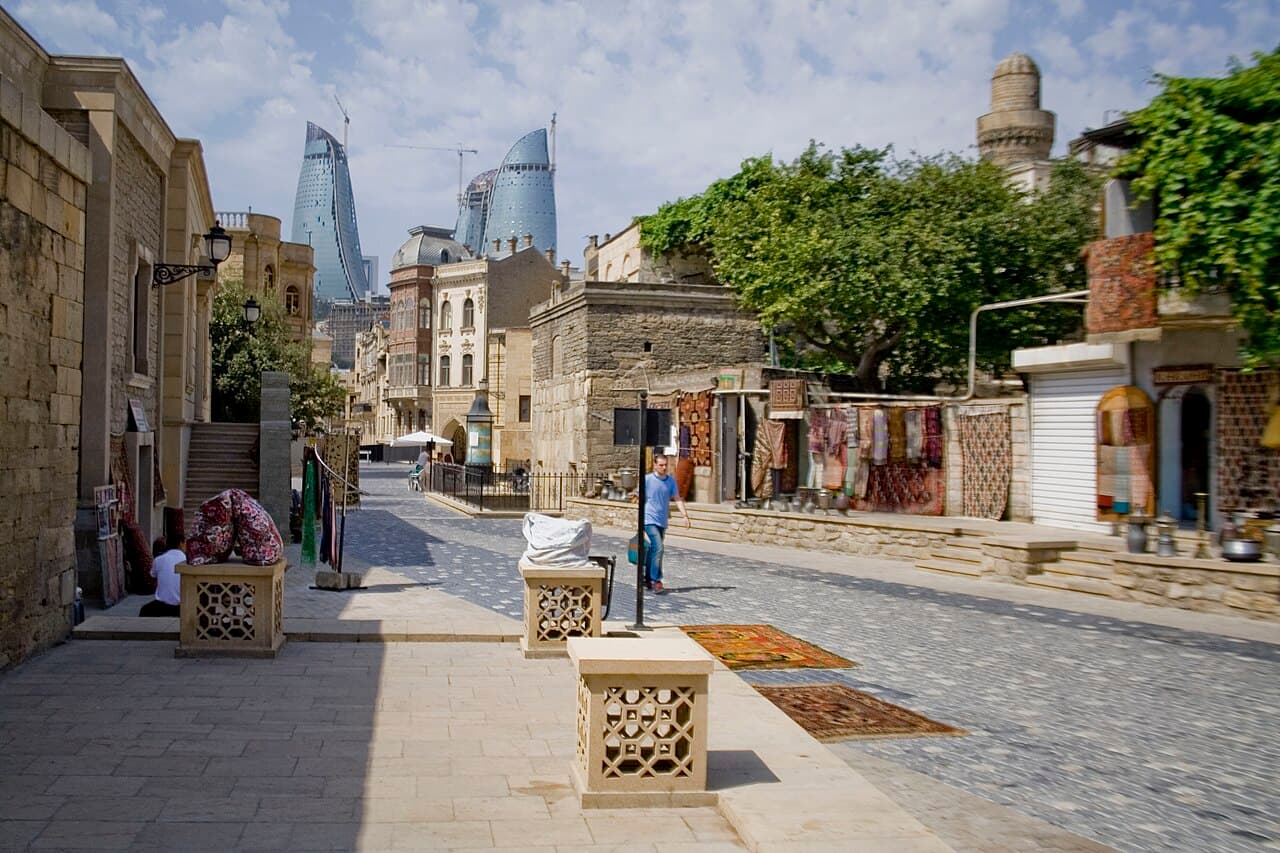
Experienced investors evaluating a foreign real estate market don't just ask "what is this property worth today" - they ask "is there a clear direction for where this city is heading." A city that grows without a defined plan - without clear zoning, without infrastructure mapped out in advance - exposes investors to the risk of chaotic development that can erode property value over time. Baku, by contrast, has operated for years under long-term urban master plans, which is a meaningful consideration for anyone treating an investment in the city as a long-term play.
Why Structured Urban Planning Matters to Investors
An urban master plan sets out in advance where residential areas will develop, where industrial or commercial zones will stay put, and where public resources will go into infrastructure - roads, public transit, parks, and civic institutions. With a plan like that in place, an investor can reasonably estimate how a given neighborhood is likely to look in five or ten years, not just how it looks today. That's fundamentally different from a market where development happens haphazardly, sometimes against the interests of existing property owners.
Baku's Long-Range Development Vision
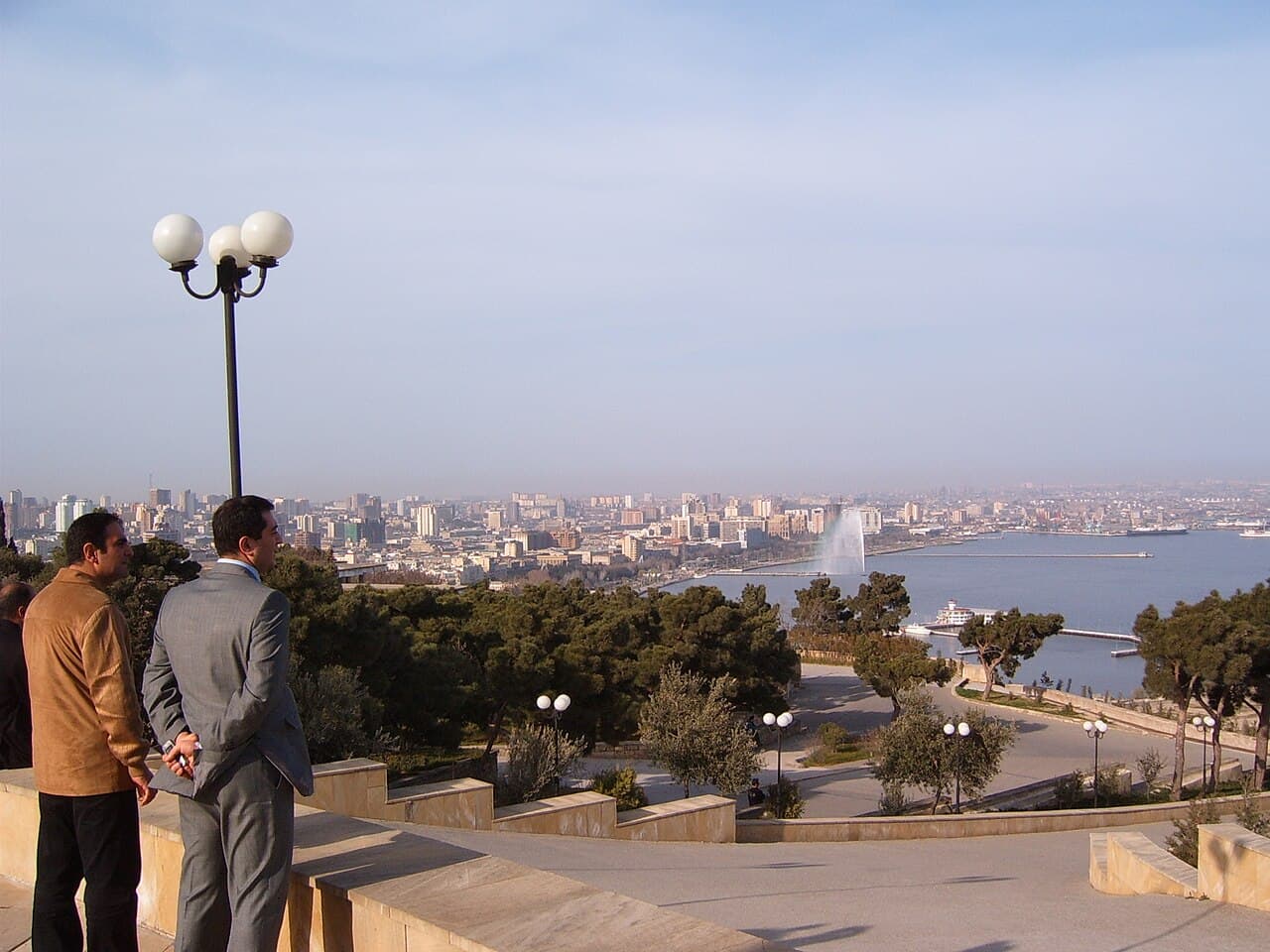
Baku has gone through an accelerated period of urban development in recent decades, including upgrades to public transit (including the metro system), the development of the seafront promenade (the Bulvar), and deliberate preservation of the historic Old City alongside modern construction in newer districts such as White City. That combination - intentional preservation of heritage areas alongside planned development of new ones - is exactly the kind of signal investors look for when weighing a long-term stake in the city: not runaway growth, but directed growth.
How Long-Term Planning Translates to Investment Security
When a city operates under a long-range vision, the risk of a property getting "stuck" in an area that suddenly turns unattractive - because of an adjacent highway, a new industrial facility, or a lack of basic infrastructure - drops meaningfully. Investors can look at official urban development plans, to the extent they're publicly available, to gauge the trajectory of the area they're considering, rather than relying only on the current snapshot.
Public Infrastructure as a Value Driver
Planned development typically comes bundled with investment in public infrastructure - transit, education, healthcare, and green space - which raises quality of life in an area over time and, with it, demand for real estate there. Areas where a clear future plan is visible, such as metro line extensions or new park developments, tend to draw attention from investors who spot the potential for appreciation ahead of the broader market.
Caveats Worth Keeping in Mind
- Execution isn't guaranteed: as with any urban master plan anywhere in the world, there can be a gap between stated plans and actual delivery pace, and timelines can shift.
- Information transparency: detailed information on future development plans isn't always easy for foreign investors to access, so it's worth working with local professionals familiar with current plans.
- Figures are approximate: the scope and timing of development projects change, and any information about future plans should be treated as a general trend rather than a precise promise.
Bottom Line for Investors
Long-term urban planning is not a guarantee of profit, but it does reduce a specific kind of risk - the risk of unpredictable development eroding a property's value. For anyone treating an investment in Baku as a long-term strategy, it's worth examining not just current price and yield, but also the urban plans that will shape the area over the next decade.
Related Articles
- How Baku's Infrastructure Investment Signals Long-Term Property Value
- Investing in Baku: What a Strong Development Pipeline Signals About the Market's Future
- Investing in Baku: How Global Events Are Building the City's International Brand
- The New Developments Reshaping Baku
- Baku's Best Neighborhoods for Living and Investing
 Real estate investing
The Israel-Azerbaijan-US Triangle in 2026
An AI memorandum, an American strategic charter and talks on a trilateral format. What is actually new here, what was already in place, and what it means for buyers
Read more →Real estate investingHow Dependent Is Azerbaijan's Economy on Oil, Really?
The non-oil sector reaches 75.8% of GDP in 2026, but that share is rising for two different reasons. The official figures, the IMF's view, and what it means for buyers
Read more →Real estate investingThe Armenia-Azerbaijan Peace Deal: Where It Stands
The agreement was initialed in August 2025 but remains unsigned. What was agreed, what is blocking signature, what the Armenian election changed, and what it means for owners
Read more →