How Baku's Infrastructure Investment Signals Long-Term Property Value
Published on 2026-08-04 · 4 min read
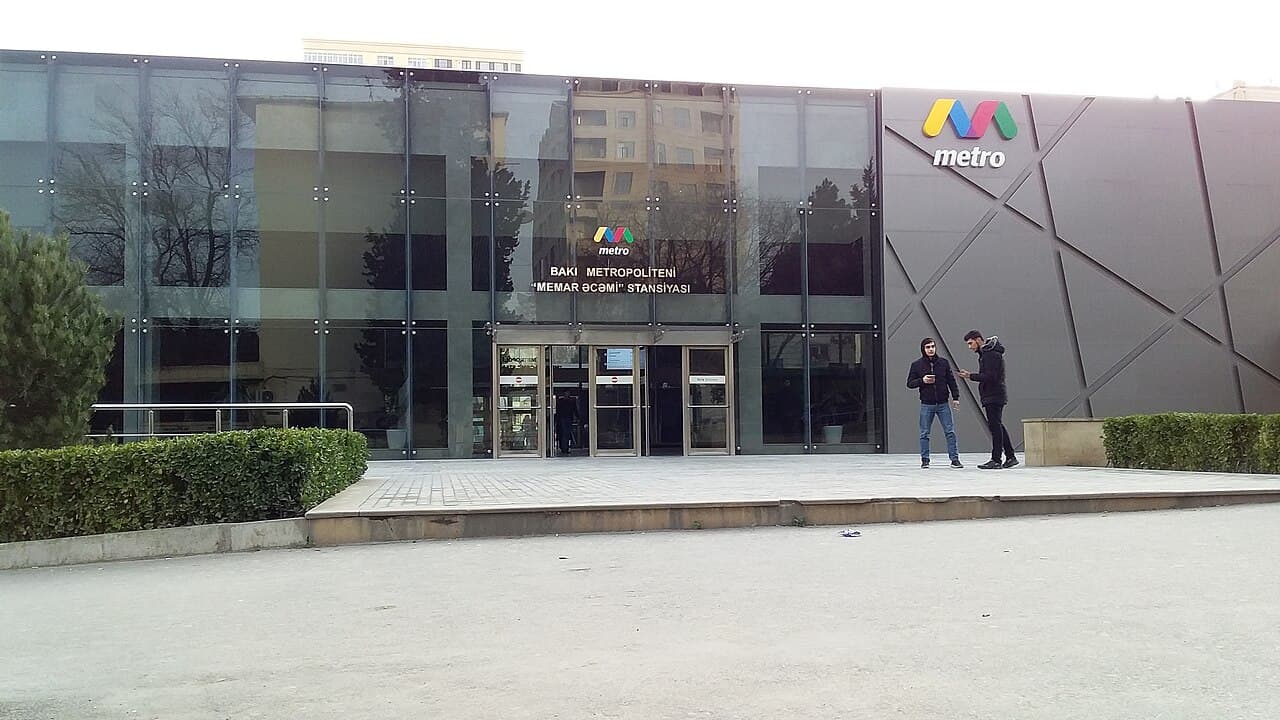
Infrastructure spending rarely makes for exciting headlines, but for property investors it tends to be one of the more reliable, if unglamorous, signals of where value is likely to move over time. Baku has seen a sustained period of infrastructure investment across several fronts — transit, roads, urban redevelopment, and airport capacity — and while none of it should be read as a guarantee of returns, the pattern is worth understanding as part of a broader investment thesis rather than as a set of unrelated public works projects.
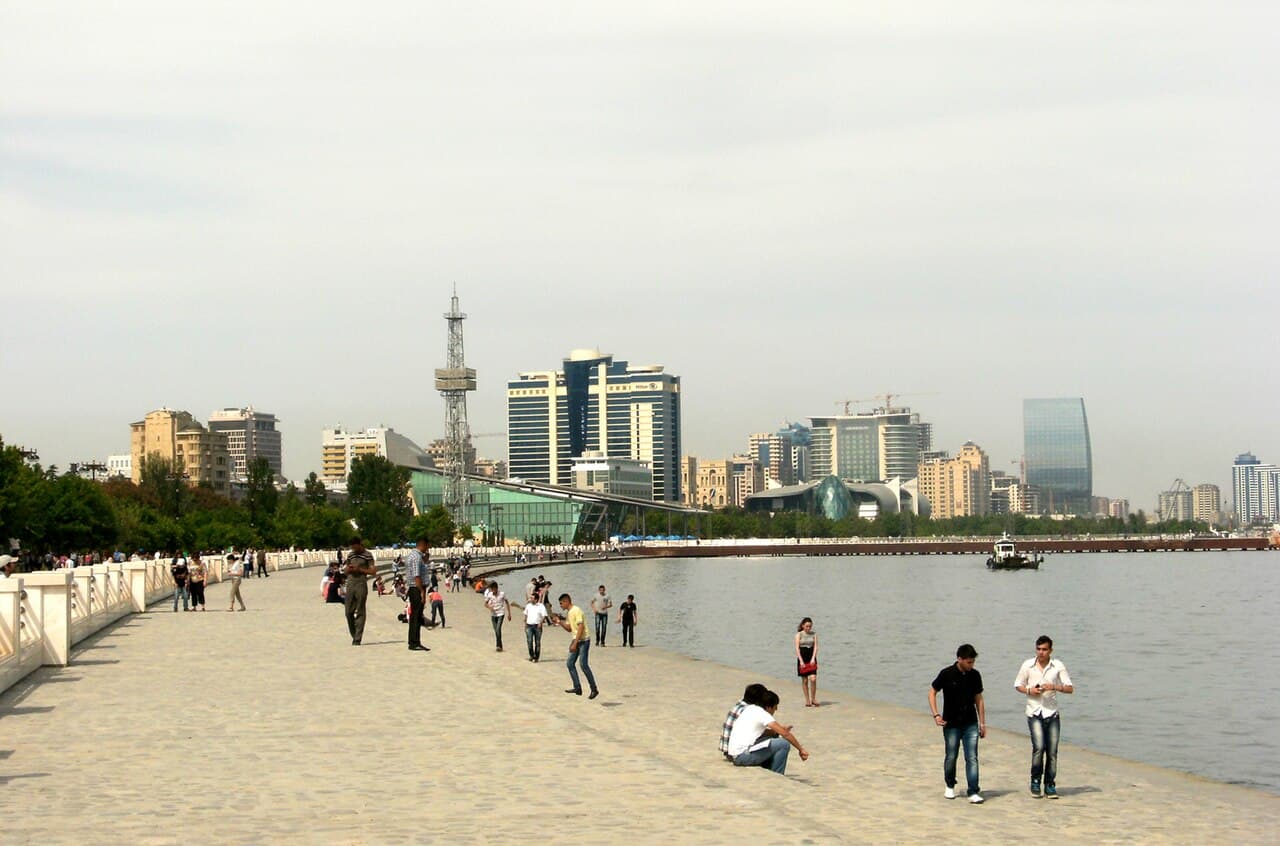
Metro Expansion and What It Tends to Do to Nearby Values
Public transit expansion is one of the more studied relationships in urban real estate, and the general pattern — new or upgraded metro access tends to lift demand, and eventually prices, in areas that gain a station or a shorter commute — holds reasonably well in most cities, Baku included. As Baku's metro network has continued to expand and modernize, neighborhoods that move from being car-dependent to transit-accessible often see a gradual shift in the type of buyer or renter interested in them. This isn't instant or guaranteed for every station, but it's a pattern worth tracking street by street rather than assuming citywide.
Roads, Connectivity, and the Less Visible Payoff
Road upgrades get less attention than a new metro line, but they matter for a different reason: they extend the practical radius of what counts as "well-connected" in a city. Areas that were once considered inconvenient because of traffic or poor access can become genuinely competitive once road infrastructure improves travel times. For investors, this is worth watching in areas just outside the currently fashionable districts — improved connectivity sometimes makes a previously overlooked neighborhood viable years before that shift is reflected in pricing.
White City as an Illustration, Not a Blueprint
The White City redevelopment — transforming a formerly industrial area of Baku into a planned mixed-use district — is often cited as an example of how coordinated urban redevelopment can reshape demand for an entire part of a city, not just isolated buildings. Projects of this scale illustrate a broader point: large-scale redevelopment, when it follows through over years rather than stalling after an initial announcement, tends to pull surrounding property values upward as amenities, green space, and new residential stock come online together. That said, redevelopment projects everywhere carry execution risk — delays, scope changes, and shifting priorities are common — so any single project should be treated as one data point, not a certainty.
Airport Capacity as a Quiet Growth Indicator
Airport expansion is one of the less obvious infrastructure signals for property investors, but it tends to correlate with a city's broader trajectory as a business and tourism destination. Growing airport capacity generally reflects, and reinforces, increased visitor numbers, business travel, and international connectivity — all of which feed indirectly into demand for hotels, short-term rentals, and commercial space near transit corridors linking the airport to the city center.
Reading Infrastructure Spending as a Leading Indicator, Carefully
The core idea worth taking from all of this is that sustained infrastructure investment tends to precede, rather than follow, meaningful property appreciation — but "tends to" is doing real work in that sentence. Infrastructure projects can be delayed, scaled back, or reprioritized, particularly in emerging markets where budgets and political priorities can shift. Treat announced infrastructure plans as a reason to pay closer attention to a district, not as a reason to buy sight unseen, and weigh a track record of completed projects more heavily than plans still on paper.
What This Means in Practice
For an investor evaluating Baku, infrastructure spending is best used as one filter among several: is this area gaining transit access, road connectivity, or redevelopment momentum that is already visible on the ground, not just announced? Areas where infrastructure improvements are actively under construction or recently completed tend to offer a more grounded read on future value than areas where the case rests entirely on plans that have yet to break ground.
Related Articles
- Investing in Baku: What a Strong Development Pipeline Signals About the Market's Future
- How Baku's Long-Term Urban Master Plan Lowers Investment Risk
- Why Baku's Growing Direct-Flight Network Matters for Investors
- The New Developments Reshaping Baku
- Khazar Islands and the Rise of Baku's Waterfront Skyline
 Real estate investing
The Israel-Azerbaijan-US Triangle in 2026
An AI memorandum, an American strategic charter and talks on a trilateral format. What is actually new here, what was already in place, and what it means for buyers
Read more → Real estate investing
How Dependent Is Azerbaijan's Economy on Oil, Really?
The non-oil sector reaches 75.8% of GDP in 2026, but that share is rising for two different reasons. The official figures, the IMF's view, and what it means for buyers
Read more → Real estate investing
The Armenia-Azerbaijan Peace Deal: Where It Stands
The agreement was initialed in August 2025 but remains unsigned. What was agreed, what is blocking signature, what the Armenian election changed, and what it means for owners
Read more →