Best Neighborhoods in Baku to Live In and Invest
Published on 2026-04-15 · 5 min read
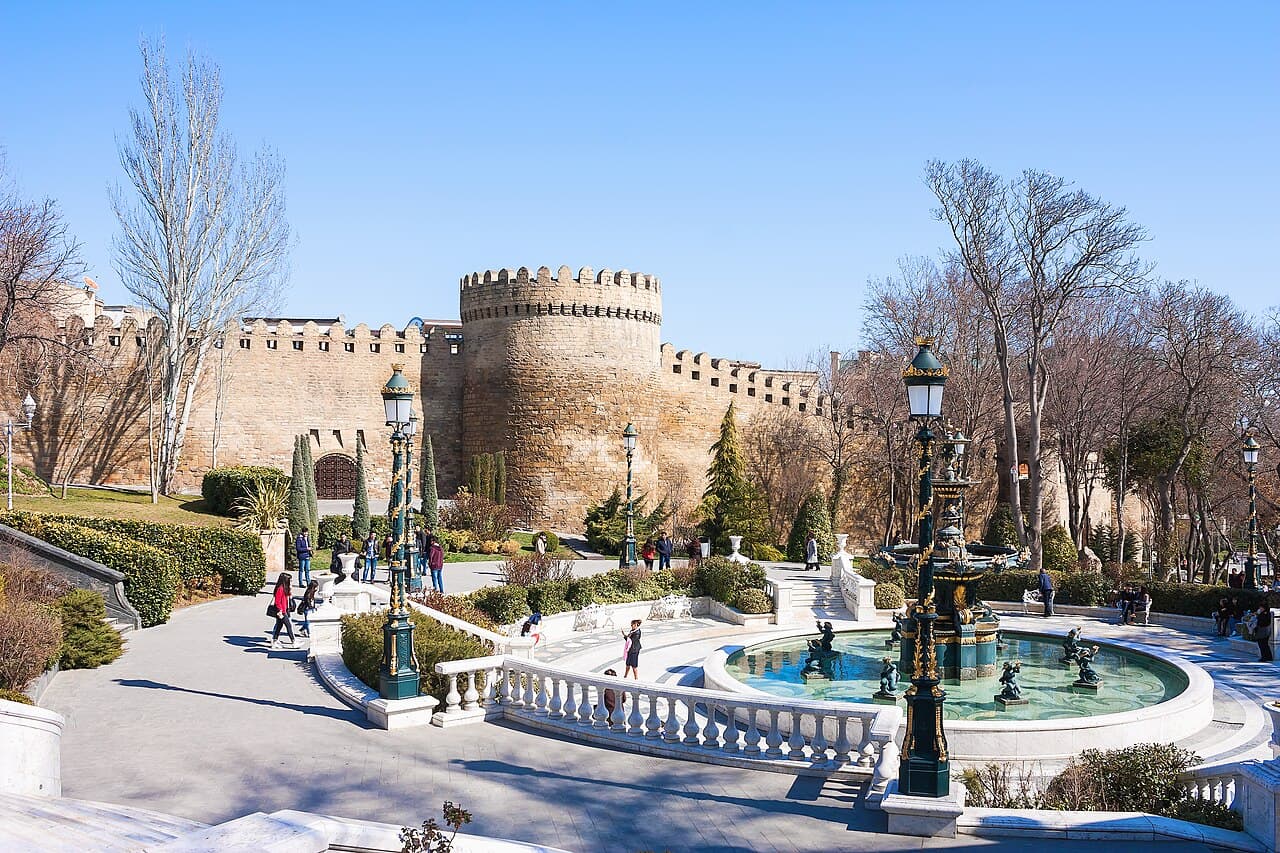
Choosing a neighborhood shapes the outcome of a Baku property purchase more than any other decision in the process - more than the floor, more than the developer, and often more than the price per square metre. Baku is divided into twelve administrative districts, and the gap between two of them can be the gap between a new seafront tower and a working industrial zone. This guide walks the map from the centre outwards and links to a detailed profile of each area.
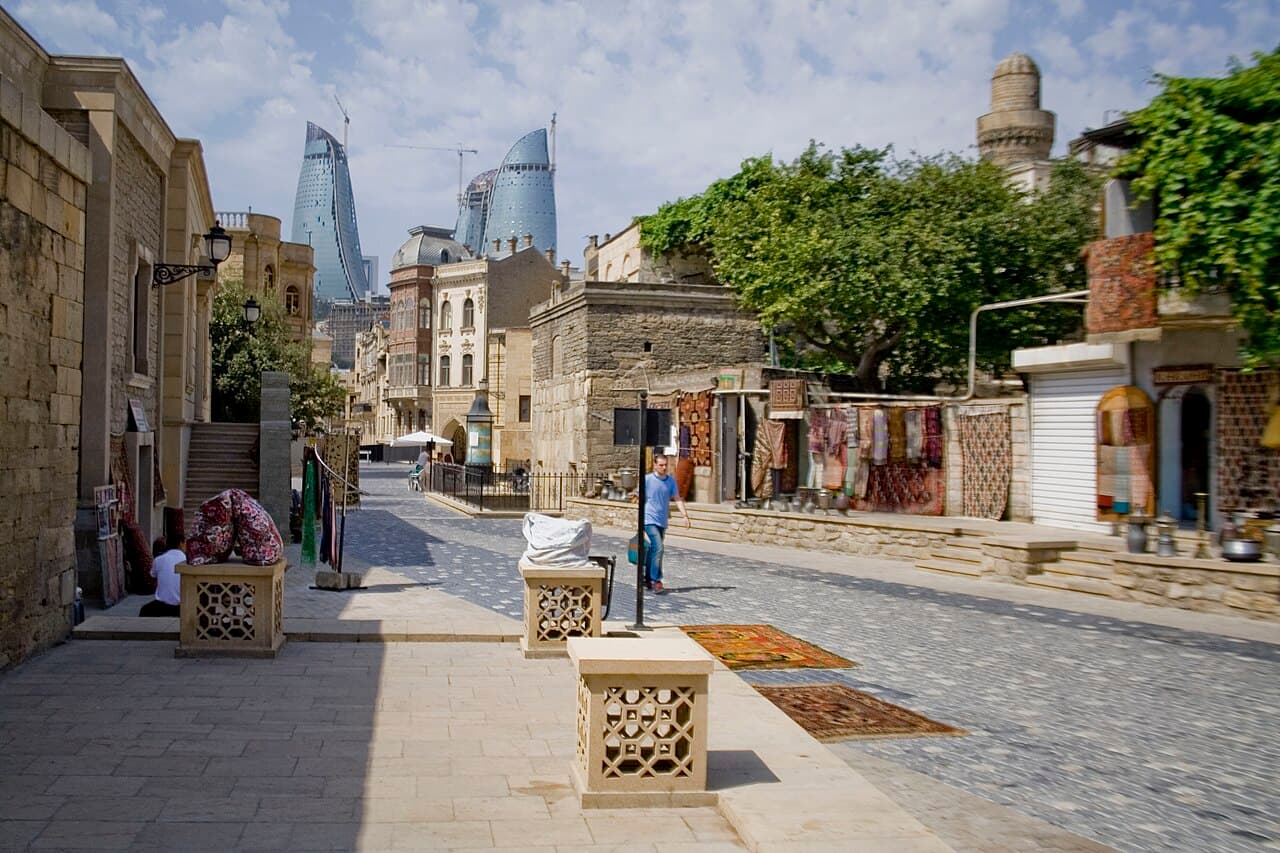
How Baku is organised: districts versus neighborhoods
Baku is administered as twelve districts, and each one contains neighborhoods and villages with entirely separate characters. This is a common source of confusion for foreign buyers: a listing that says "Sabail" may mean a tower on the boulevard or a Soviet-era block a few streets up the hill, at more than double the price difference. Always establish the neighborhood or street name rather than settling for the district label.
The core: Sabail and the Old City
Sabail district is Baku's administrative and commercial core. It holds most of the boulevard, Fountains Square, the Flame Towers and the government quarter. Inside it sits Icherisheher, the Old City - a walled UNESCO World Heritage quarter under unusually tight construction and renovation restrictions. This is the city's premium zone, both in price and in short-term rental demand.
Nasimi and Yasamal: the everyday city centre
Nasimi is the functional centre - Nizami shopping street, the main railway station and most of the office stock. Yasamal, immediately west, is an established residential district with good schools and prices below central Sabail, which makes it popular with local families. Both offer excellent metro access and almost no sea views.
Badamdar: the hills above the city
Badamdar climbs the ridge southwest of the centre. It offers panoramic sea and city views, relatively new construction and a quieter character, drawing affluent buyers and foreign families. The main drawback is car dependence - public transport access is weaker than in the central districts.
East Baku: Khatai and Ahmadli
Khatai is Baku's most active development zone, concentrating a large share of new construction alongside port infrastructure and industrial history. Ahmadli is a dense Soviet-era residential area with some of the lowest prices in the city near a metro station - a combination that makes it relevant to buyers chasing rental yield rather than a view.
West and north: Binagadi, Surakhani and Zabrat
Binagadi is a large residential district west of the centre, with varied housing stock and prices well below the core. Surakhani and Zabrat carry Baku's oil-industry legacy: historic fields, the housing built around them, and in recent years new projects taking advantage of the price gap.
Qaradagh: the industrial south
Qaradagh is the southern district and the largest by area, defined by industry, logistics and the new Baku port at Alat. It is not a conventional residential target for most foreign buyers, but it matters to anyone looking at commercial or logistics property along the Middle Corridor trade route.
The Absheron peninsula: the villages and the coast
Northeast of the city stretch the Absheron peninsula suburbs - a belt of coastal villages that functions as Baku's resort zone. Bilgah and Novkhani are known for their beaches and holiday houses; Buzovna and Mardakan combine historic gardens with a village character; Nardaran retains a distinctly traditional character; Goradil and Turkan are smaller and quieter. What they share is sharp seasonality. Summer rental demand is very high and winter demand is low, and that has to enter any yield calculation.
Which neighborhood in Baku is best for investment?
There is no single answer, because it depends on the goal. For short-term tourist lets, Sabail and Icherisheher lead on proximity to the sights and the boulevard. For long-term lets to local tenants, Ahmadli, Binagadi and Yasamal offer lower entry prices and therefore higher gross yields. For a holiday property with personal use, the Absheron villages and Sea Breeze are the usual destination. Bear in mind that a higher yield generally reflects higher risk or tenant turnover rather than a free lunch.
What should you check before choosing a Baku neighborhood?
- Actual walking distance to a metro station, not straight-line distance on a map. Ten minutes of difference feeds directly into rental demand.
- Registration status of the property - whether an occupancy certificate (çıxarış) exists, or whether the unit is unregistered.
- Seasonality, particularly on the Absheron peninsula, where winter occupancy can fall sharply.
- Planned development in the area: infrastructure projects can lift values, but also bring years of construction work.
- International schools - relevant for foreign buyers with children, and availability is concentrated in a small number of areas.
In summary
The logic of Baku's map is fairly simple: the further you move from the boulevard, the lower the price and the higher the gross yield, but also the greater the car dependence, seasonality and tenant turnover. The core around Sabail offers the strongest liquidity at resale; the eastern and western districts offer entry prices; the Absheron peninsula offers coastal living at the cost of seasonality. It is worth visiting any neighborhood you are considering at two different times - a weekday morning and a weekend night - before committing.
This article is general information and not investment advice. Property prices and yields vary, and investing in a foreign market carries currency, regulatory and liquidity risk.
Anyone weighing a purchase in this area can set it against other districts of Baku in the neighbourhood comparison tool.
Neighborhoods & areasBaku Nightlife and Entertainment: An Investor's Guide
Baku's entertainment, restaurant and club scene by district — where activity concentrates, how it affects property values and what it means for choosing a neighbourhood
Read more →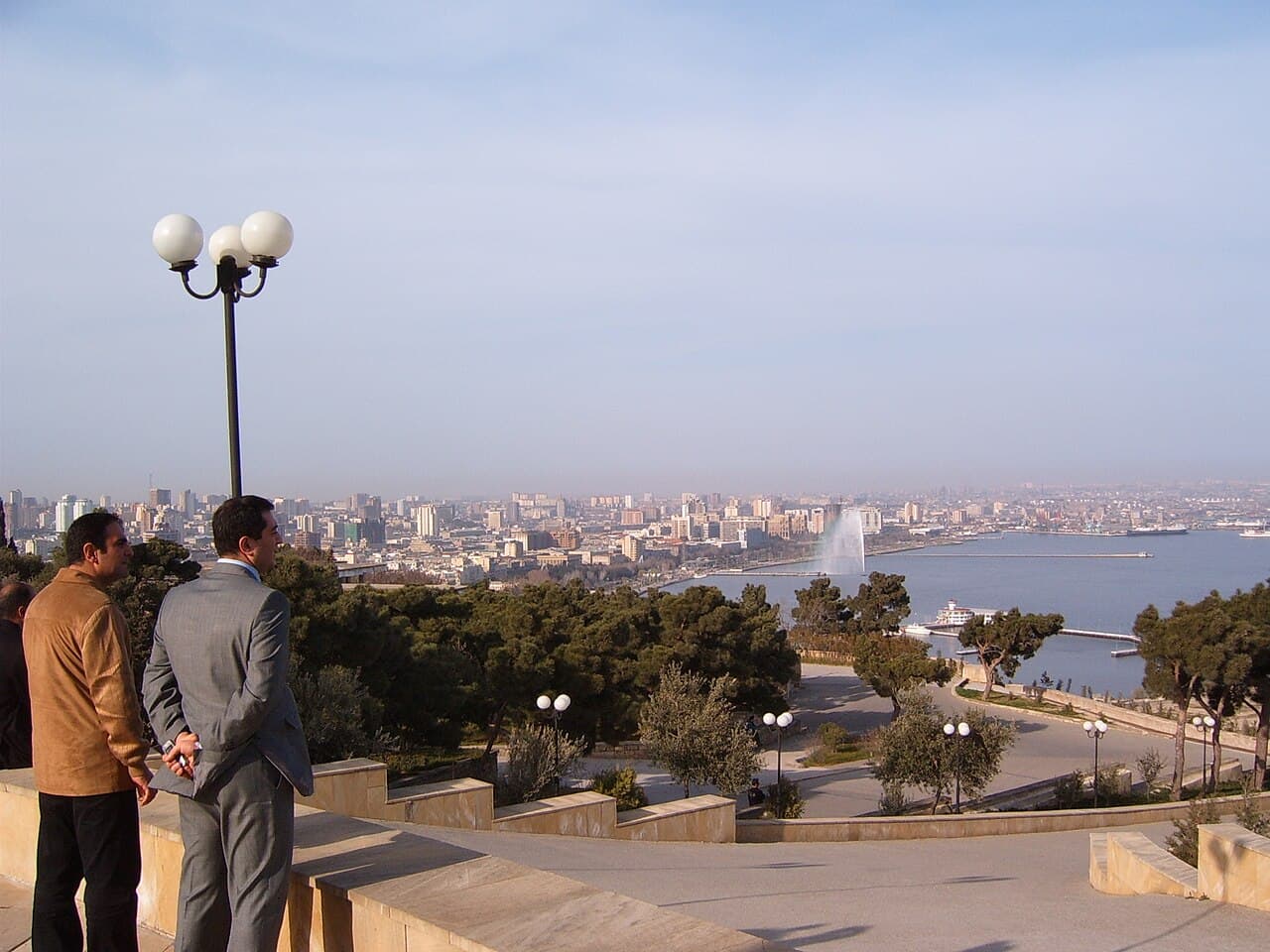 Neighborhoods & areas
Zabrat: Baku's Oil-Field Heritage Neighborhood
Inside Zabrat, an Absheron settlement built on Baku's early oil boom, now a residential district in Sabunchu with an industrial past still visible in its landscape
Read more →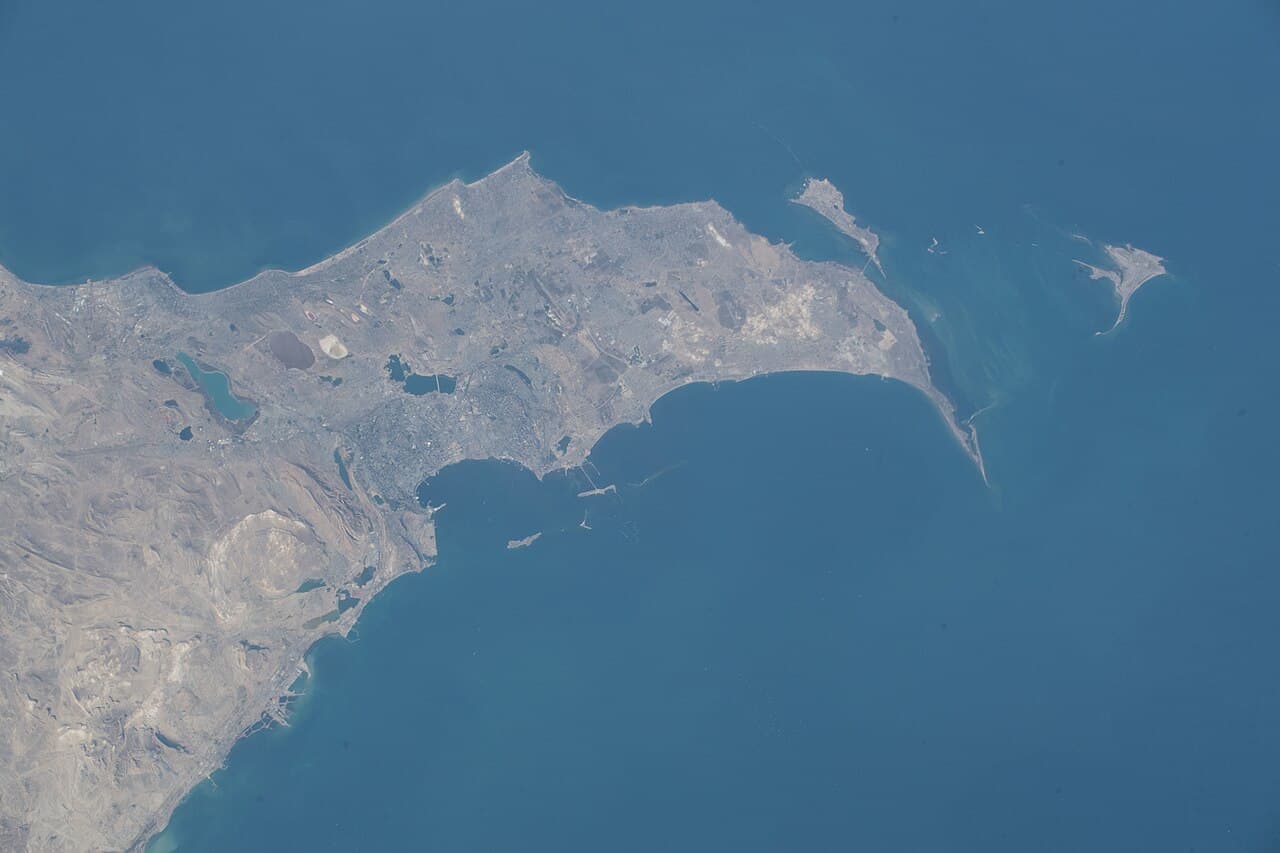 Neighborhoods & areas
Görədil: A Smaller Absheron Settlement
What is known about Görədil (Goradil), a lower-profile settlement on the Absheron Peninsula, and how it fits the peninsula's broader rural and agricultural pattern
Read more →