Why Baku's Growing Direct-Flight Network Matters for Investors
Published on 2026-08-04 · 3 min read
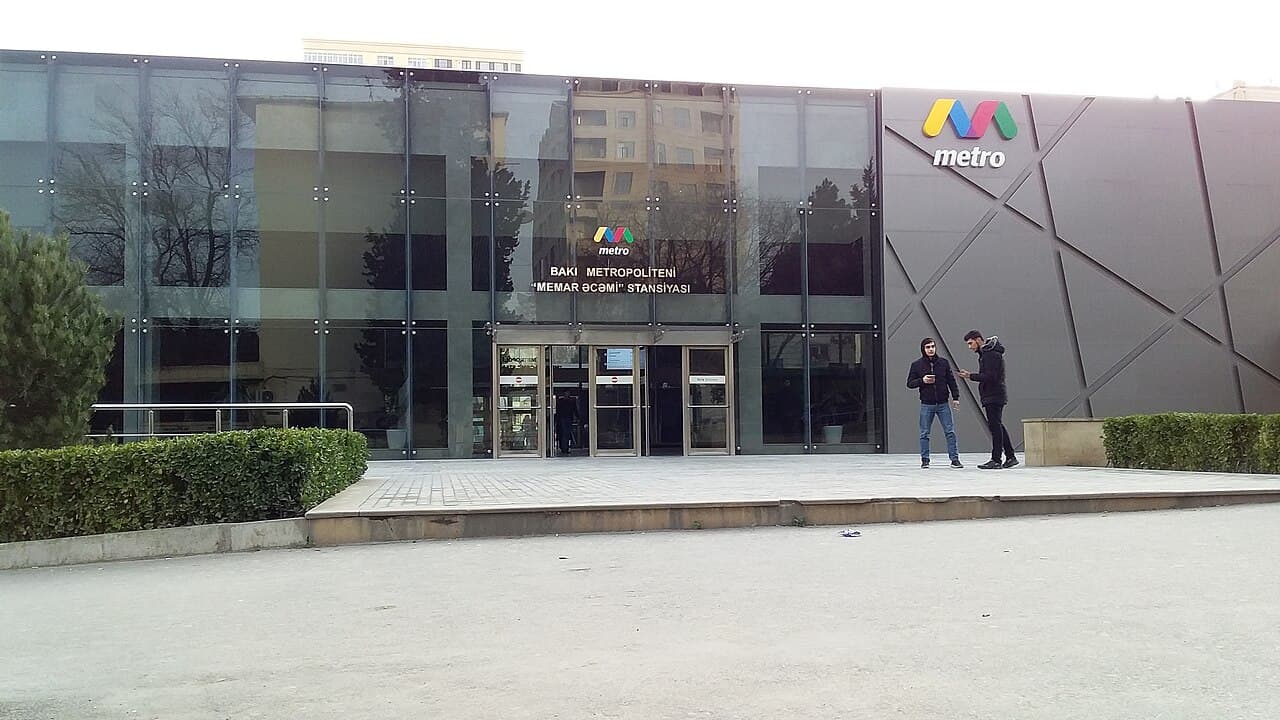
One factor that's easy to overlook when evaluating Baku as a real estate market is physical accessibility - how easy, fast, and affordable it is to reach the city, inspect a property in person, and return periodically over the life of an investment. Heydar Aliyev International Airport has steadily expanded its route network in recent years, and that shift changes the calculus for investors flying in from Europe, the Middle East, and Asia.
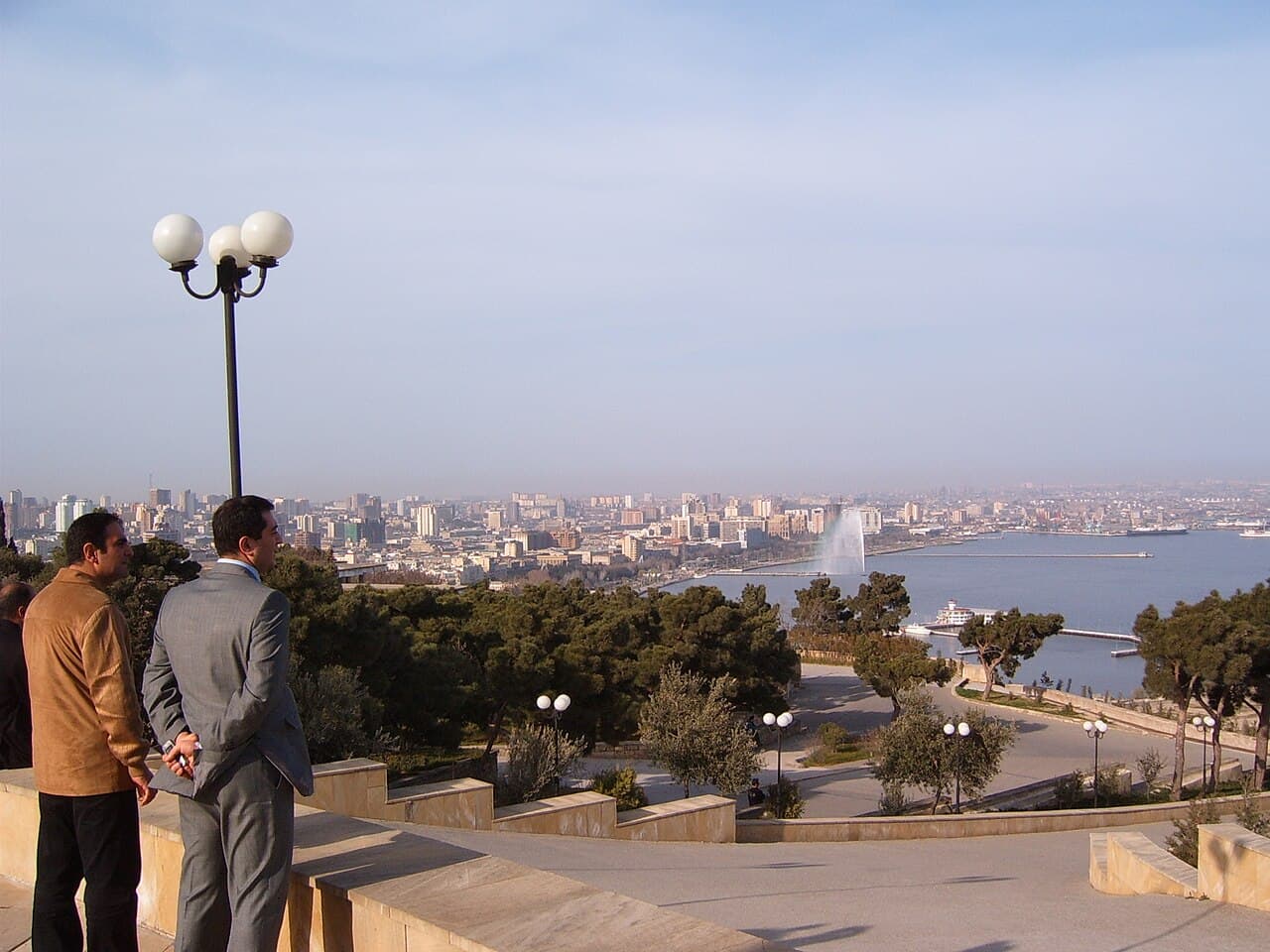
Why Flight Access Matters to a Property Investor
Unlike a stock or a fund, real estate typically requires occasional physical presence - for signings, condition checks, meetings with a property manager, or a pre-purchase viewing. The more accessible a direct flight to Baku becomes, the less friction there is in owning and managing a property from abroad. An investor who can take a direct flight of a few hours, rather than losing a full day to layovers, tends to visit more often - and more hands-on involvement generally correlates with better-managed assets.
Expanding Routes from Europe, the Middle East, and Asia
In recent years, direct or near-direct connections between Baku and major hubs in Europe (London, Paris, Milan, Moscow), the Middle East (Dubai, Abu Dhabi, and periodic links to Tel Aviv), and parts of Asia have grown and, in many cases, become more reliable. This expansion is not incidental - it reflects a broader national push around tourism and connectivity infrastructure aimed at making Azerbaijan more accessible to both travelers and investors. As the number of direct routes increases, so does the flow of business and leisure travelers into the city, which in turn supports demand across residential, short-term rental, and commercial property segments.
How Better Connectivity Lowers the Real Cost of Entry
Flight cost and travel time are part of the effective total cost of an investment, even though they never appear in a formal deal spreadsheet. A shorter, cheaper direct flight compared to what was typical a few years ago effectively reduces the all-in cost of ownership - particularly for investors who plan to visit their property several times a year, or manage it remotely with periodic check-ins.
The Knock-On Effect on Short-Term Rental Demand
Better air connectivity doesn't just help investors get to the city - it directly feeds demand for short-term rentals. More direct flights mean more tourists and business travelers arriving, which supports demand for Airbnb-style apartments and boutique accommodation near the city center and the seafront. Investors weighing a short-term rental strategy should treat aviation trends as a leading indicator of future demand rather than an afterthought.
Caveats Worth Keeping in Mind
- Geopolitical dependency: Routes open and close based on diplomatic relations and airline economics, and there's no guarantee any given route stays active long-term.
- Seasonality: Some direct connections operate only during peak season (summer), which can affect winter accessibility.
- Figures are approximate: Route counts and frequencies shift year to year; it's worth checking current schedules with airlines directly rather than relying on older data.
Bottom Line for Investors
Baku's improving air connectivity is a supportive, though not decisive, factor in real estate decisions. It lowers friction, reduces ancillary costs, and supports tourism-driven rental demand - but it should be weighed as one piece of a broader picture that includes entry price, expected rental yield, and the legal framework for foreign ownership.
Related Articles
- Why Baku's Crossroads Location Matters for Property Investors
- How Baku's Infrastructure Investment Signals Long-Term Property Value
- Baku's Tourism Boom: Another Driver Behind Real Estate Investment
- From Heydar Aliyev Airport to Property Viewings: A Practical Logistics Guide
- A Practical Guide to Relocating or Staying Long-Term in Baku
 Real estate investing
The Israel-Azerbaijan-US Triangle in 2026
An AI memorandum, an American strategic charter and talks on a trilateral format. What is actually new here, what was already in place, and what it means for buyers
Read more → Real estate investing
How Dependent Is Azerbaijan's Economy on Oil, Really?
The non-oil sector reaches 75.8% of GDP in 2026, but that share is rising for two different reasons. The official figures, the IMF's view, and what it means for buyers
Read more →Real estate investingThe Armenia-Azerbaijan Peace Deal: Where It Stands
The agreement was initialed in August 2025 but remains unsigned. What was agreed, what is blocking signature, what the Armenian election changed, and what it means for owners
Read more →