Why Baku's Crossroads Location Matters for Property Investors
Published on 2026-08-04 · 4 min read
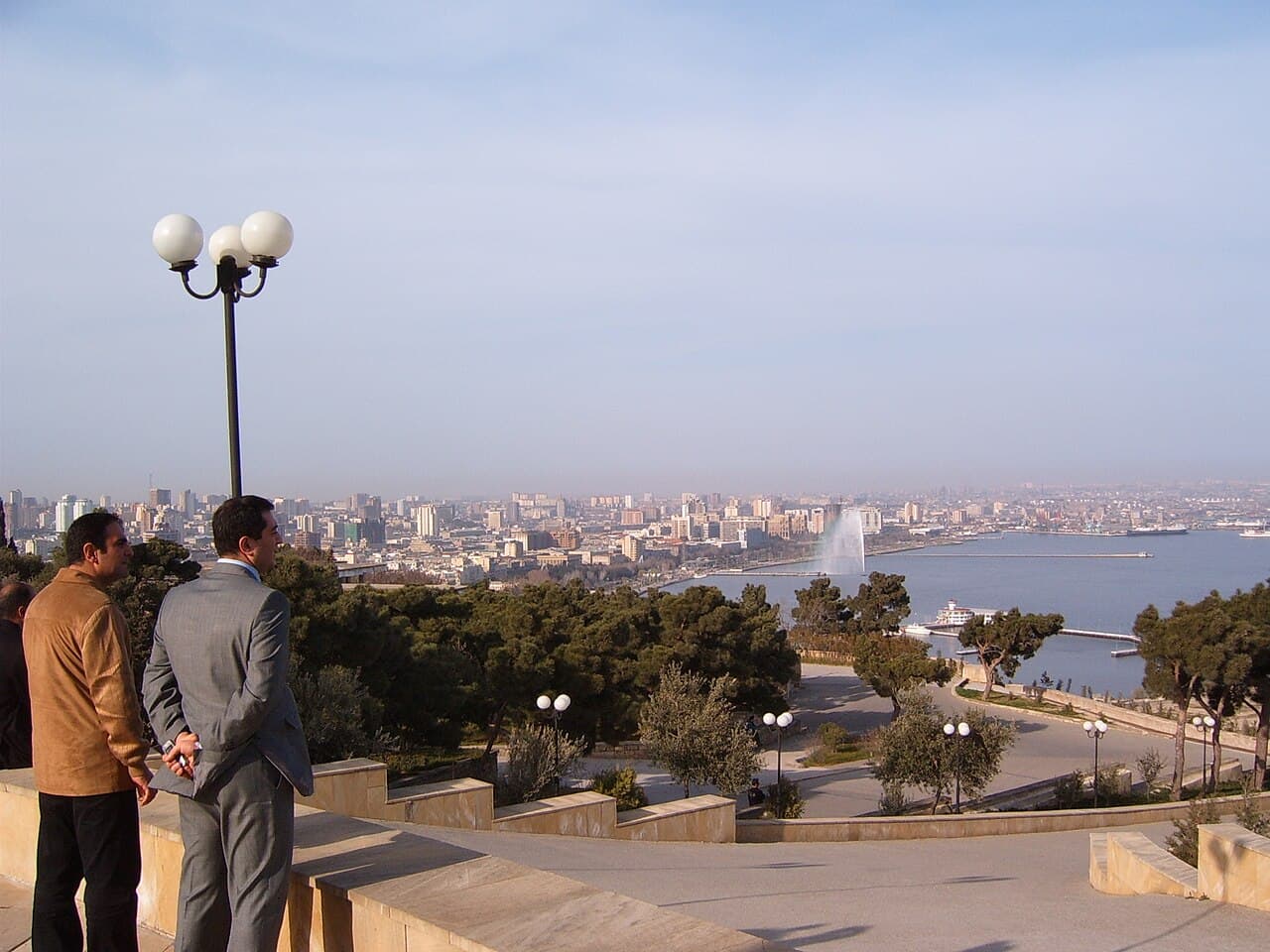
Baku's position on the map has always been notable, but in recent years it has become a more active talking point among investors, not just geographers. The city sits along what is often called the Middle Corridor — a route linking East Asia and China through the Caspian region to Europe, bypassing routes that have become less predictable. For a property investor, geography alone doesn't move markets, but it does shape the kind of economic activity a city attracts, and that activity is what ultimately drives demand for offices, warehouses, hotels, and apartments.
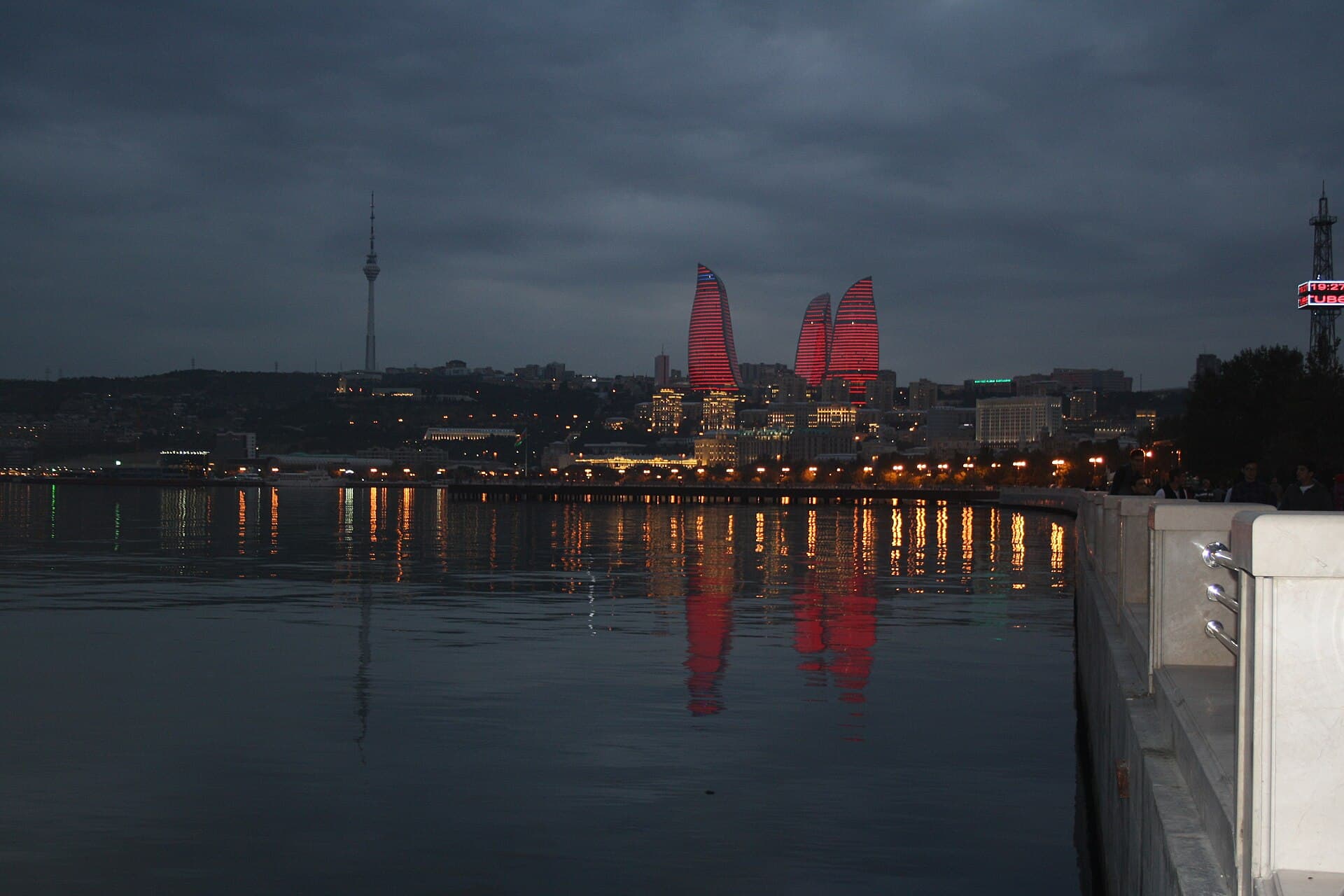
From Transit Point to Business Hub
Baku's role has gradually shifted from being simply a point on a shipping map to functioning as an actual operating base for companies involved in logistics, trade, and regional services. As freight volumes through the Caspian route have grown — even if unevenly and subject to the usual fluctuations of global trade — more businesses have found it practical to maintain a physical presence in the city rather than handle everything remotely. That kind of presence translates into demand for office space, staff housing, and the everyday commercial infrastructure — from logistics-adjacent services to hospitality — that supports a working business hub.
What This Means for Commercial Real Estate
The clearest knock-on effect shows up in commercial and mixed-use property. Companies establishing regional offices, freight forwarders, and trade-support businesses need space, and as more of them set up in Baku, that tends to put upward pressure on demand for well-located commercial units, particularly near the port, business districts, and areas with good transport connectivity. This is a gradual process rather than a dramatic one — Baku is not transforming into a new Dubai overnight — but the direction has been consistent enough that it shapes where new commercial development gets planned.
Residential Demand Follows Business Activity
Business hubs don't just need offices — they need people to staff them, and those people need somewhere to live. As foreign and domestic companies expand their footprint in Baku, a portion of that growth shows up as demand for rental apartments near business districts, from mid-market housing for local staff to higher-end units for relocating executives and their families. This is one of the more indirect but durable ways that a city's trade position feeds into residential real estate: not through headline announcements, but through the accumulation of ordinary economic activity that needs somewhere to happen.
A Caveat Worth Taking Seriously
None of this should be read as a guarantee. Trade routes are sensitive to geopolitics, sanctions regimes, currency shifts, and infrastructure bottlenecks well beyond any single city's control, and the Middle Corridor's growth has not been a straight line — it has had setbacks and slow patches alongside periods of expansion. Investors should treat Baku's crossroads position as one supportive factor among several, not as a standalone thesis, and should be cautious of any pitch that presents regional trade growth as a guaranteed, linear driver of property values.
What Investors Should Actually Track
Rather than relying on general narratives about corridors and connectivity, it's more useful to watch concrete indicators: occupancy and rent trends in commercial districts near the port and business zones, announcements of new logistics or trade-related company presences in the city, and vacancy rates in mid- and upper-tier residential buildings favored by relocating professionals. These are the signals that translate a macro story about geography into something that actually shows up in property performance.
Bottom Line
Baku's location at the crossroads of Europe and Asia is a real and structurally durable advantage — not a marketing slogan — but its effect on real estate values plays out gradually, through business relocation and staffing needs, rather than through any single dramatic event. Investors who understand this as a slow-moving tailwind, rather than a fast-moving catalyst, are better positioned to evaluate whether a specific property, in a specific district, actually benefits from it.
Related Articles
Real estate investingThe Israel-Azerbaijan-US Triangle in 2026
An AI memorandum, an American strategic charter and talks on a trilateral format. What is actually new here, what was already in place, and what it means for buyers
Read more → Real estate investing
How Dependent Is Azerbaijan's Economy on Oil, Really?
The non-oil sector reaches 75.8% of GDP in 2026, but that share is rising for two different reasons. The official figures, the IMF's view, and what it means for buyers
Read more →Real estate investingThe Armenia-Azerbaijan Peace Deal: Where It Stands
The agreement was initialed in August 2025 but remains unsigned. What was agreed, what is blocking signature, what the Armenian election changed, and what it means for owners
Read more →