Winter or Summer? Choosing a Seasonal Strategy for a Tourism Rental in Azerbaijan
Published on 2026-08-08 · 4 min read
Azerbaijan's small but growing tourism-rental market splits along a seasonal line that any investor needs to understand before buying: coastal properties earn their keep in summer, mountain properties earn theirs in winter, and almost nothing earns well in both. Choosing which side of that line to buy on — or whether to sidestep it entirely — is one of the first strategic decisions a tourism-property investor in Azerbaijan has to make.
The Summer Coastal Model
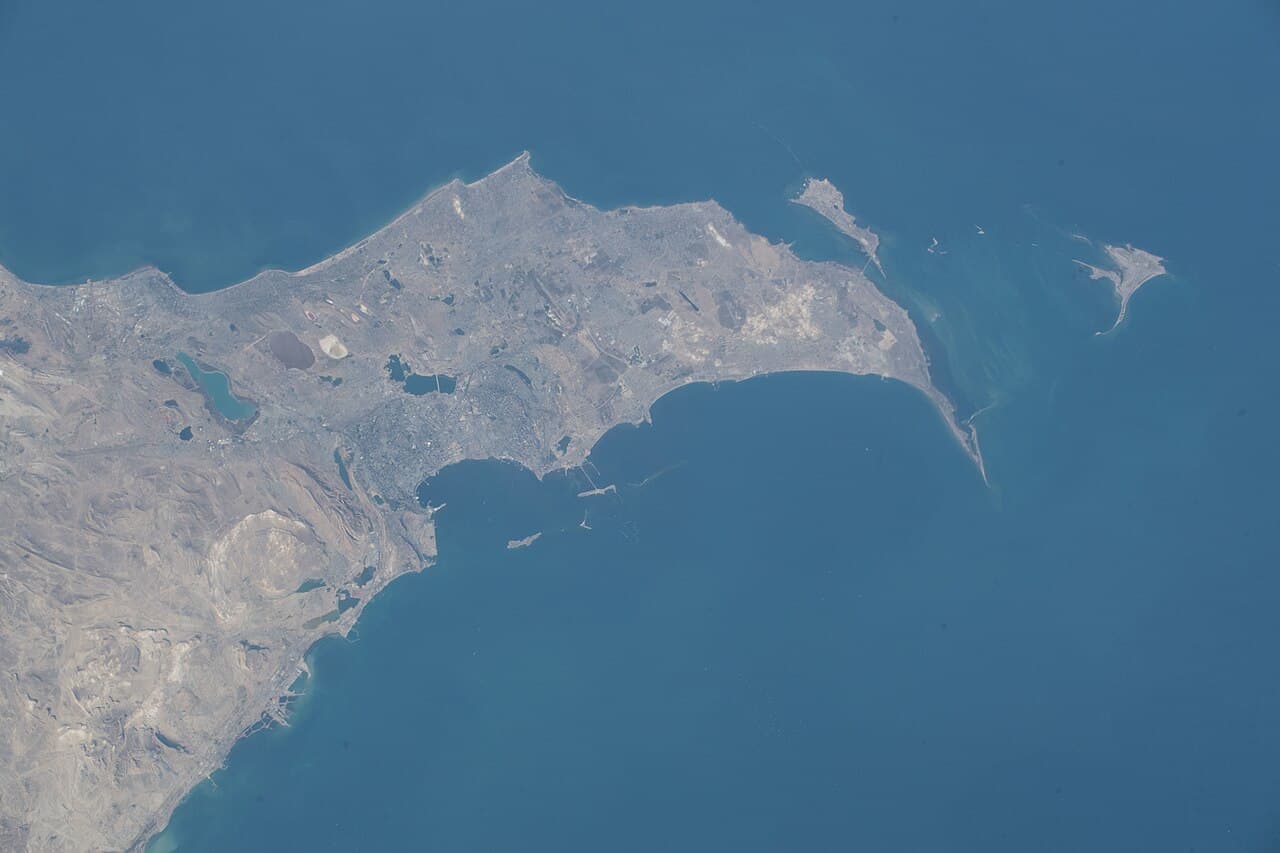
The Absheron Peninsula and the Nabran area further north, near the border with Russia's Dagestan region, are Azerbaijan's classic summer destinations. Nabran in particular draws heavy domestic and regional tourism from June through August, when its sandy beaches and pine forests fill with families escaping Baku's summer heat. Rental demand there is intensely concentrated: a two- or three-bedroom cottage or apartment can be fully booked and command its highest nightly rates for a roughly ten- to twelve-week window, then sit largely empty from October to April.
This concentration cuts both ways. Owners can charge premium rates during peak weeks — often several times the off-season level — and turnover is high enough that a well-located, well-maintained unit can post strong headline occupancy for the summer months alone. But the flip side is a long off-season with minimal income, during which the property still requires security, maintenance, and sometimes heating to prevent damp and pipe damage. Investors in this category typically model their returns almost entirely around ten to fourteen weeks of the year and treat the rest as a carrying cost.
The Winter Mountain Model
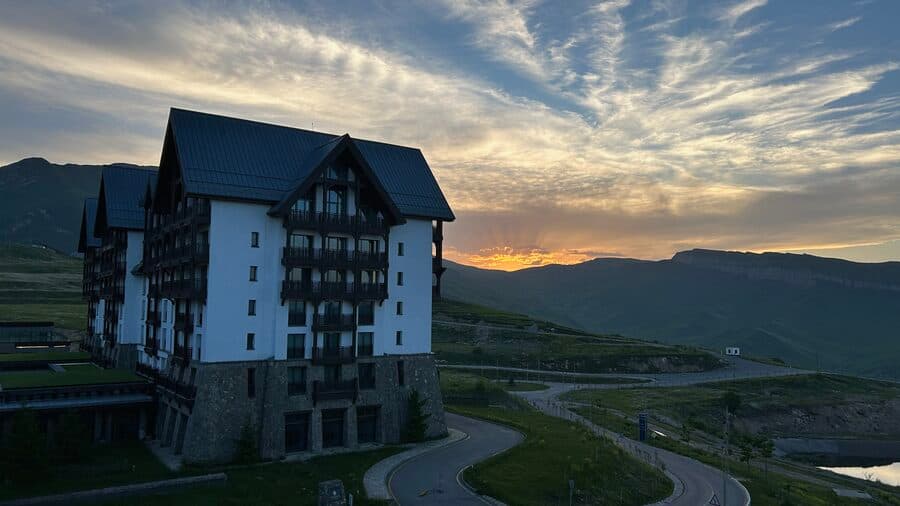
Gabala and the Shahdag ski resort, both in the mountainous northwest, run on the inverse calendar. The ski season, roughly December through March depending on snowfall, drives short-term rental demand around Shahdag's slopes and lifts, while Gabala's broader appeal — cooler summer temperatures, forests, and proximity to historic sites — gives it a secondary, gentler shoulder-season pull that Nabran-style beach towns lack.
Shahdag itself is a purpose-built resort, so much of its accommodation stock is newer, professionally managed apartment-hotel product rather than individually owned holiday homes, which changes the investment profile: buyers often purchase into managed rental pools with contractual guaranteed-occupancy or revenue-share arrangements rather than self-managing bookings. Gabala town, by contrast, has more independent rental stock and a tourism season that stretches further into spring and autumn thanks to hiking, the Tufandag cable car, and cultural draws, giving owners there a somewhat wider — though still clearly seasonal — earning window than a pure ski-slope property.
Comparing the Economics
On paper, both models can produce attractive peak-season yields, but both carry the same underlying weakness: a narrow earning window against twelve months of ownership costs, taxes, and depreciation. A coastal property near Nabran essentially bets on ten to twelve summer weeks; a Shahdag property bets on a winter season that is itself dependent on snowfall, which varies year to year. An investor who buys a single-season property needs occupancy and rates in that window to be strong enough to cover the full year, and ideally to leave a comfortable margin, since there is little room to make up a weak season elsewhere on the calendar.
The Case for a Shoulder-Season or City-Center Property
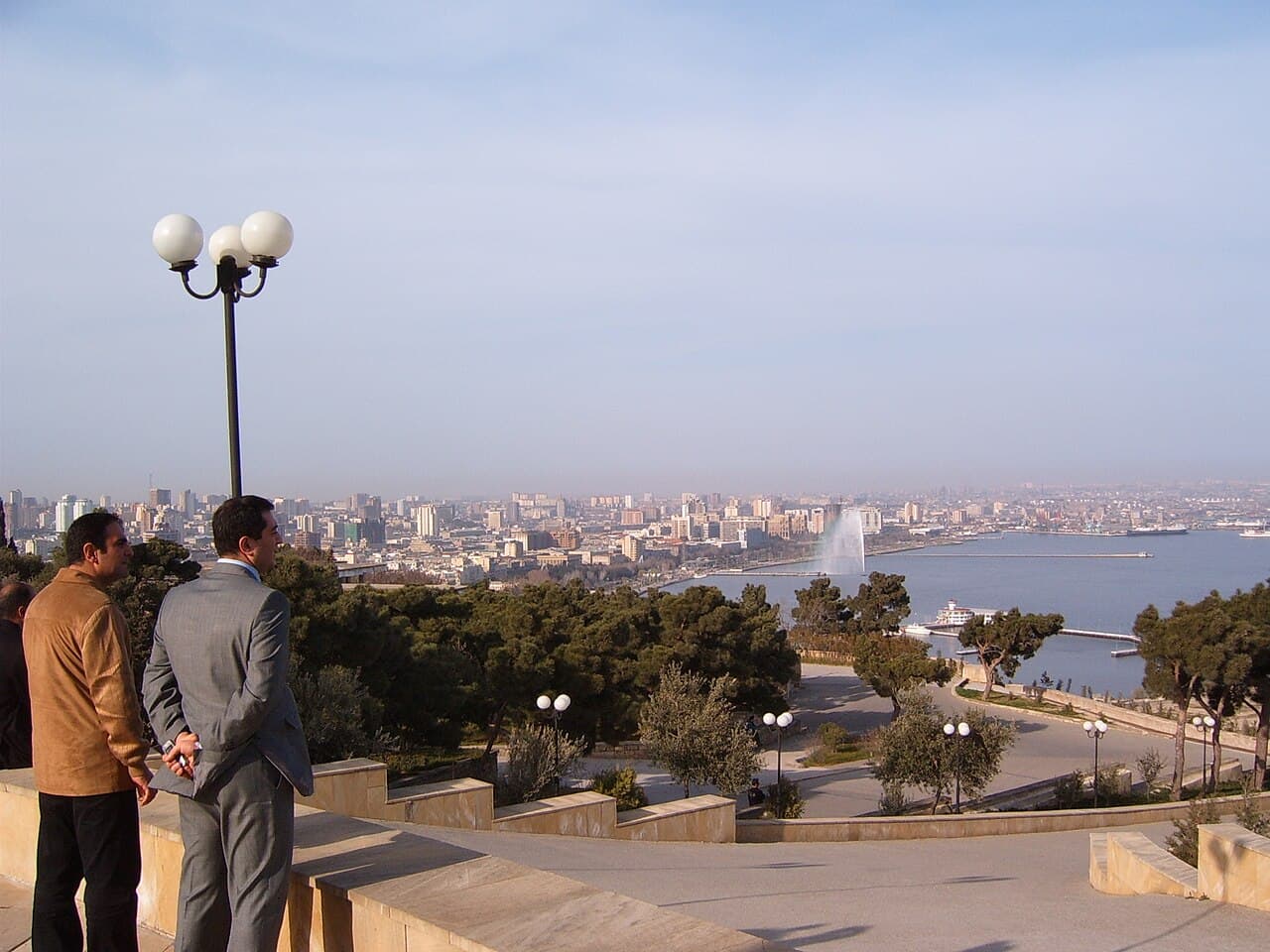
For investors who want to avoid betting the entire year on one climate window, Baku itself — and particularly the city center near the Boulevard, Fountains Square, and Icherisheher — offers a structurally different proposition. Demand for short-term rentals in central Baku is driven less by seasonal recreation and more by business travel, conferences, weekend city breaks, and cultural or sporting events staged in the capital, all of which occur throughout the year rather than clustering into a single season. A city-center apartment will rarely hit the extreme peak nightly rates a beachfront Nabran cottage commands in its best July weeks, but it also avoids the long, income-free stretch that coastal and mountain properties both experience for most of the year.
This is the practical case for treating a central Baku apartment as the more conservative, income-smoothing counterpart to a seasonal resort property: lower peak, higher floor. Some investors explicitly pair the two — a seasonal coastal or mountain unit for peak-season upside, and a city apartment to keep cash flow steady the rest of the year.
What to Weigh Before Buying
The right choice depends on an investor's tolerance for concentrated risk versus steady, moderate income, and on practical factors like whether the property will be self-managed or placed with a professional operator. Seasonal properties reward owners willing to actively manage a short, intense rental window and absorb off-season costs; a city-center property rewards those who prefer predictable, year-round occupancy over a shorter, higher-yield peak. Neither strategy is inherently superior — they simply suit different risk profiles and different levels of hands-on involvement.
 Living & visiting guide
The Absheron Peninsula Water Quality Map
What the Ministry of Ecology's monitoring found suitable and what it did not, why the infrastructure list and the test results disagree, and how the Khazri wind changes things
Read more →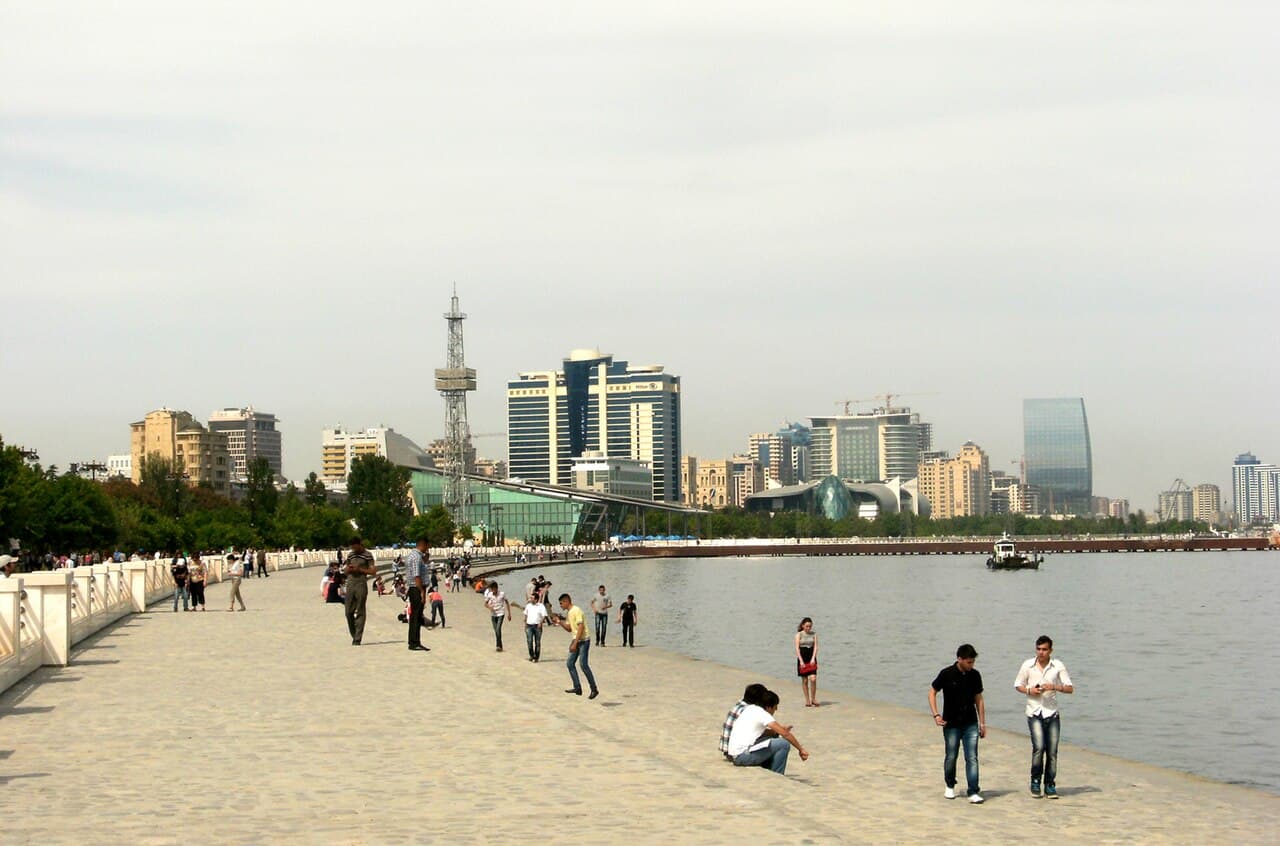 Living & visiting guide
Why You Can't Swim in Baku Bay — and Where You Can
Swimming is banned in Baku Bay and Shikhov closes most summers, while the northern Absheron beaches stay clean. Here is why, and how to check before you go in
Read more →Living & visiting guideBaku Beaches: A Practical Guide to the Coast
Bilgah, Buzovna, Mardakan, Novkhani and Amburan - what to expect at each beach, how to get there, and why some charge entry when the law says they are free
Read more →