Buying Property in Ganja: A Practical Guide
Published on 2026-07-23 · 5 min read
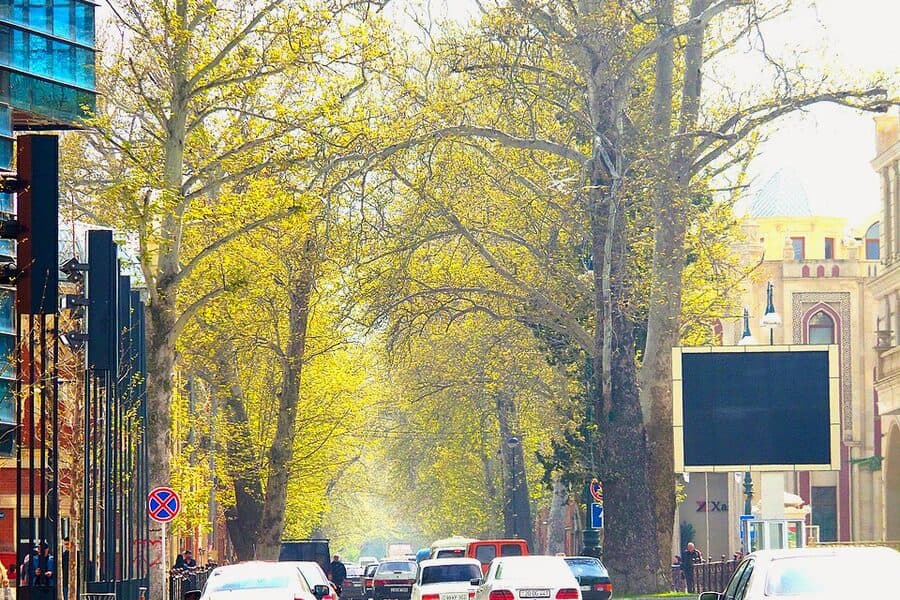
Ganja's status as Azerbaijan's second-largest city means it has a functioning, if considerably smaller and less internationalized, property market compared to Baku. For buyers curious about opportunities outside the capital, understanding how that market actually works — the property types on offer, realistic price expectations, and the practical differences in process — matters more than in a market as mature and well-documented as Baku's.
What Kind of Property Is Available
The Ganja market is dominated by a handful of clear categories rather than the wide spectrum found in Baku. Soviet-era apartment blocks, mostly five- to nine-story buildings dating from the 1960s through the 1980s, make up much of the existing housing stock in the central districts and remain the most common option for buyers seeking an apartment. Newer mid-rise residential construction has picked up in recent years, particularly around the city center and near Heydar Aliyev Park, offering more modern layouts, elevators, and finishes than the older Soviet stock. Beyond apartments, private houses with land — often single-story homes with a garden or small orchard plot — are far more common and more affordable in Ganja than anywhere near central Baku, reflecting the city's lower density and the wider availability of land. Commercial and mixed-use property, tied to Ganja's role as a regional trade and industrial hub, forms a smaller but active segment aimed mostly at local business owners rather than outside investors.
Price Levels: Ganja Versus Baku
Property prices in Ganja sit well below Baku across every category, though exact figures vary by district, building age, and condition, and should be treated as general market indication rather than fixed quotes. As a rough guide, apartments in older Soviet-era buildings in Ganja tend to trade in the range of roughly $300 to $500 per square meter, while newer-build apartments in more desirable central locations can reach somewhere in the $500 to $700 per square meter range. That compares to central Baku, where comparable newer apartments commonly start well above $1,000 per square meter and can run considerably higher in premium districts. Private houses with land in Ganja are frequently available in the rough range of $40,000 to $120,000 depending on plot size, condition, and location, a price bracket that would buy little more than a small apartment near Baku's city center. These figures should be verified against current local listings and a qualified local agent or lawyer before making any decision, since Ganja's market is thinner and prices can move unevenly between neighborhoods.
Who Tends to Buy in Ganja
The buyer profile in Ganja looks different from Baku's more internationally diverse market. The bulk of demand comes from local residents and families upgrading within the city, along with people from surrounding towns and rural districts in western Azerbaijan who move to Ganja for work, education, or better services while keeping ties to their home region. A second meaningful group is regional investors — often Azerbaijani business owners or families with roots in Ganja who now live in Baku or abroad — buying rental apartments or family property as a lower-cost alternative to the capital. International buyers remain a small minority in Ganja compared to Baku, and most foreign interest tends to come from the diaspora or from buyers specifically drawn to the city's more affordable pricing and its role as a regional hub near the Georgian border.
How the Process Differs from Baku
Buying in Ganja follows the same legal framework as anywhere in Azerbaijan, but the practical experience differs in a few important ways. Baku has a large, mature network of international-facing real estate agencies, English-speaking staff, and lawyers experienced with foreign buyers; Ganja has far fewer of these, and most agents and notaries work primarily in Azerbaijani and Russian rather than English. This makes local legal assistance more important, not less — a buyer working in Ganja should expect to rely more heavily on a local lawyer or notary to verify title, confirm there are no competing claims on older Soviet-era buildings, and handle registration with the State Committee on Property Issues, since there is less institutional infrastructure to catch problems automatically. Listings are also less centralized: much of the Ganja market moves through personal networks, local classified sites, and word of mouth rather than the polished listing platforms common in Baku, so buyers often need boots on the ground, or a trusted local contact, to see the full range of available properties.
Pros and Cons Versus Baku for an Investor
Ganja's clearest advantage is price: an investor's budget goes considerably further, whether the goal is a rental apartment, a family house with land, or a small commercial unit, and the city's status as Azerbaijan's second-largest urban economy gives it a genuine local rental and resale market rather than a purely speculative one. Its industrial base, university population, and steady government infrastructure investment provide some fundamentals that smaller towns lack. The tradeoffs are real, though: liquidity is lower, meaning properties can take longer to sell than in Baku; the tourism and short-term rental market is a fraction of the capital's, limiting income potential for investors relying on visitors rather than long-term local tenants; and the more informal, less English-friendly buying process demands more local support and patience. For an investor prioritizing yield relative to entry cost and comfortable working through a local lawyer, Ganja is worth serious consideration. For one prioritizing liquidity, international rental demand, or a hands-off process, Baku remains the more straightforward choice.
For the general legal framework - what a foreigner may buy in Azerbaijan, the purchase process and the costs - see the guide to buying property in Azerbaijan for foreigners.
 Azerbaijan cities & regions
Absheron's Oilfields: From Contaminated Land to Regeneration
Tens of thousands of hectares left contaminated by the Soviet oil era, a World Bank rehabilitation programme, and the White City built on the Black City
Read more →Azerbaijan cities & regionsBuying Property Near Shahdag: A Guide to Azerbaijan's Ski Real Estate
Resort apartments and chalets around Shahdag Mountain Resort - rental yield potential from ski tourism, price comparison with the Alps, and what distant owners should know
Read more → Azerbaijan cities & regions
Buying Near Tufandag: Real Estate at Gabala's Ski Resort
Chalets, hotel-apartments and two seasons of demand - what buyers should know about property near Gabala's mountain resort
Read more →