Buying Property in Lankaran: A Different Kind of Market
Published on 2026-07-23 · 4 min read
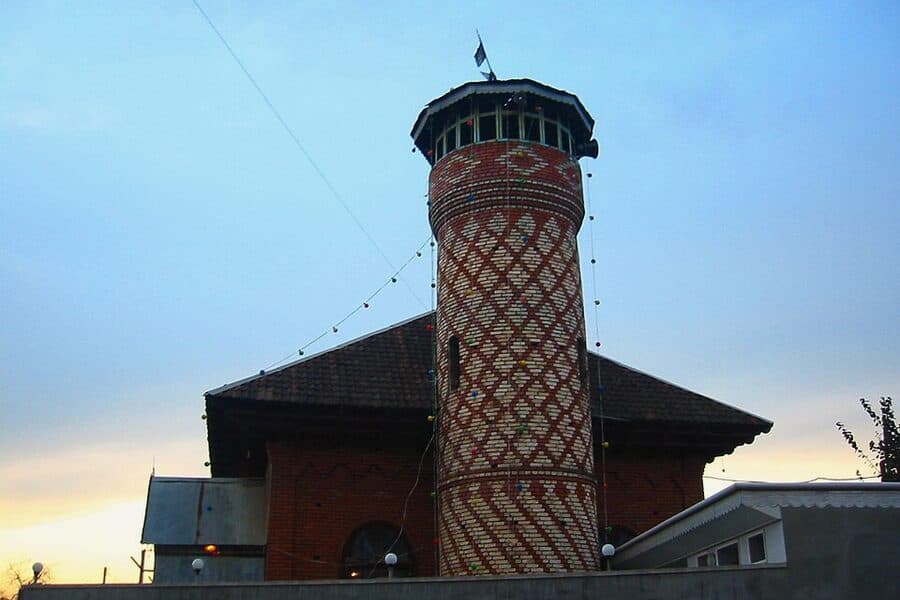
Real estate in Lankaran operates on a fundamentally different logic than the market in Baku. Where the capital's value is driven by oil-era wealth, apartment towers, and dense urban demand, Lankaran's market is shaped by agriculture, climate, and a much smaller, slower-moving local economy. Anyone considering property here — whether an apartment in the city, a tea plot in the hills, or land near the coast — should understand what makes this region different before comparing it to Baku prices.
Urban Property vs. Agricultural Land
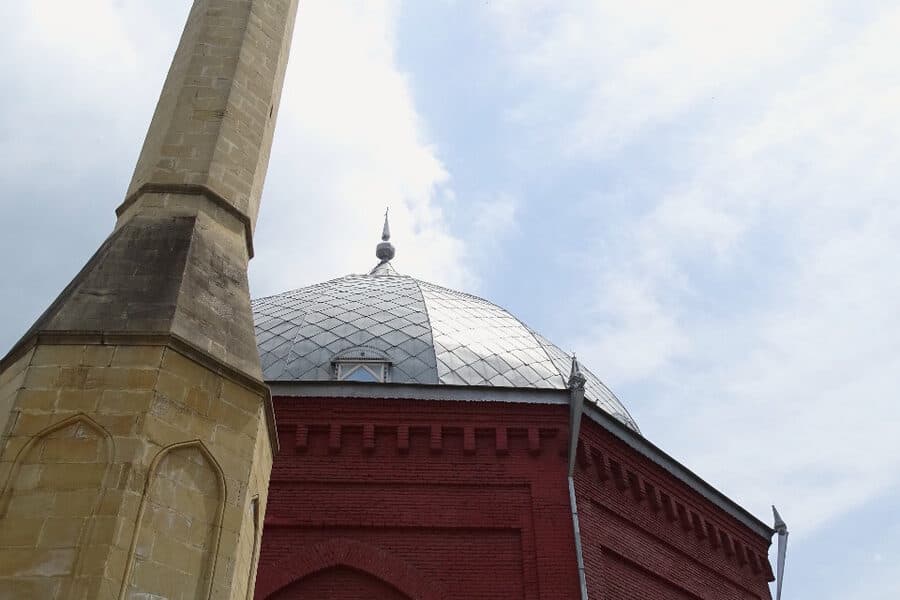
Lankaran city itself has a conventional, if modest, urban property market: apartments, small residential houses, and commercial space in the town center and along the roads leading toward the coast and the airport. Prices here are a fraction of Baku's, reflecting the smaller local economy and lower demand pressure. But the more distinctive category of real estate in the region is agricultural land — tea plantations, citrus orchards, and rice paddies scattered across the lowlands and foothills. This land is bought and sold as a productive asset tied to the region's subtropical agriculture, not as urban real estate, and its value is assessed very differently: by soil quality, existing plantings, irrigation access, and proximity to processing facilities rather than by square meters and neighborhood prestige.
Foreign Ownership and Agricultural Land
This distinction matters especially for foreign buyers. Under Azerbaijani law, foreign nationals are generally not permitted to hold full ownership of land, including agricultural land — a restriction that applies with particular weight in a region like Lankaran, where land itself, not the structures on it, is the primary asset. Apartments and buildings can typically be purchased with fewer restrictions, but a tea estate or citrus orchard usually involves the land underneath it, which foreign buyers cannot own outright. In practice, this means structuring an acquisition through long-term leasehold, a joint venture with an Azerbaijani citizen or entity, or another arrangement recognized under local law. This is a legal area where the details matter and change over time, so working with a lawyer based in Azerbaijan who specializes in agricultural and rural land transactions is essential before pursuing any agricultural property in the Lankaran region.
Why Prices Are Lower Than Baku
Lankaran real estate — both urban and agricultural — trades at prices well below Baku across nearly every category. The reasons are straightforward: Baku's market is inflated by oil-sector wealth, a much larger population, and international investment demand that simply doesn't exist to the same degree in a regional agricultural city. Lankaran's economy is built on tea, citrus, and rice rather than energy exports, and its population is a small fraction of the capital's. For buyers priced out of Baku, or looking for land as a productive asset rather than a speculative one, that price gap is the primary draw — though it comes with correspondingly lower liquidity and a much thinner resale market.
The Coastal and Eco-Tourism Angle
Lankaran sits directly on the Caspian coast, and land near the shoreline carries its own appeal, separate from the agricultural interior. Coastal plots are of interest both for conventional development and for tourism-oriented projects, given the region's reputation as a summer destination for domestic travelers seeking a change from Baku's dry climate. A more specific opportunity lies just south of the city, near Hirkan National Park: with its UNESCO-listed ancient forest, rare tree species, and hiking terrain in the Talysh foothills, the park has started to draw interest in small-scale eco-tourism development — guesthouses, nature lodges, and similar low-impact accommodation aimed at visitors coming specifically for the forest and mountains rather than the beach. This remains a niche and early-stage market compared to established tourism zones elsewhere in Azerbaijan, and any project adjacent to a national park is also likely to involve additional environmental and land-use regulation that should be checked carefully before purchase.
An Agricultural Economy, Not an Oil Capital
The core difference to keep in mind when evaluating Lankaran against Baku is economic, not just geographic. Baku's real estate market is downstream of hydrocarbon revenue, government spending, and a metropolitan population pushing toward two million. Lankaran's is downstream of tea harvests, citrus exports, rice yields, and a regional population a fraction of that size. That means slower price growth, thinner transaction volume, and less institutional investment activity — but also land values still closely tied to what the land itself can produce, and prices that remain, for now, considerably more accessible than anywhere in or around the capital.
Practical Recommendations
- Treat urban apartments and agricultural land as entirely separate transactions with different legal frameworks, especially regarding foreign ownership.
- Verify any agricultural plot's registered status, existing plantings, and water rights before negotiating a price.
- Engage a local notary and a lawyer experienced specifically in rural and agricultural land in the Talysh region, not just general Baku real estate counsel.
- For coastal or eco-tourism land near Hirkan National Park, check zoning and environmental restrictions early, as protected-area buffers can significantly limit what can be built.
The information in this article is general in nature and does not constitute legal or investment advice. Consult a lawyer specializing in Azerbaijani real estate and land law, ideally one based in the Lankaran region, before entering into any transaction.
 Azerbaijan cities & regions
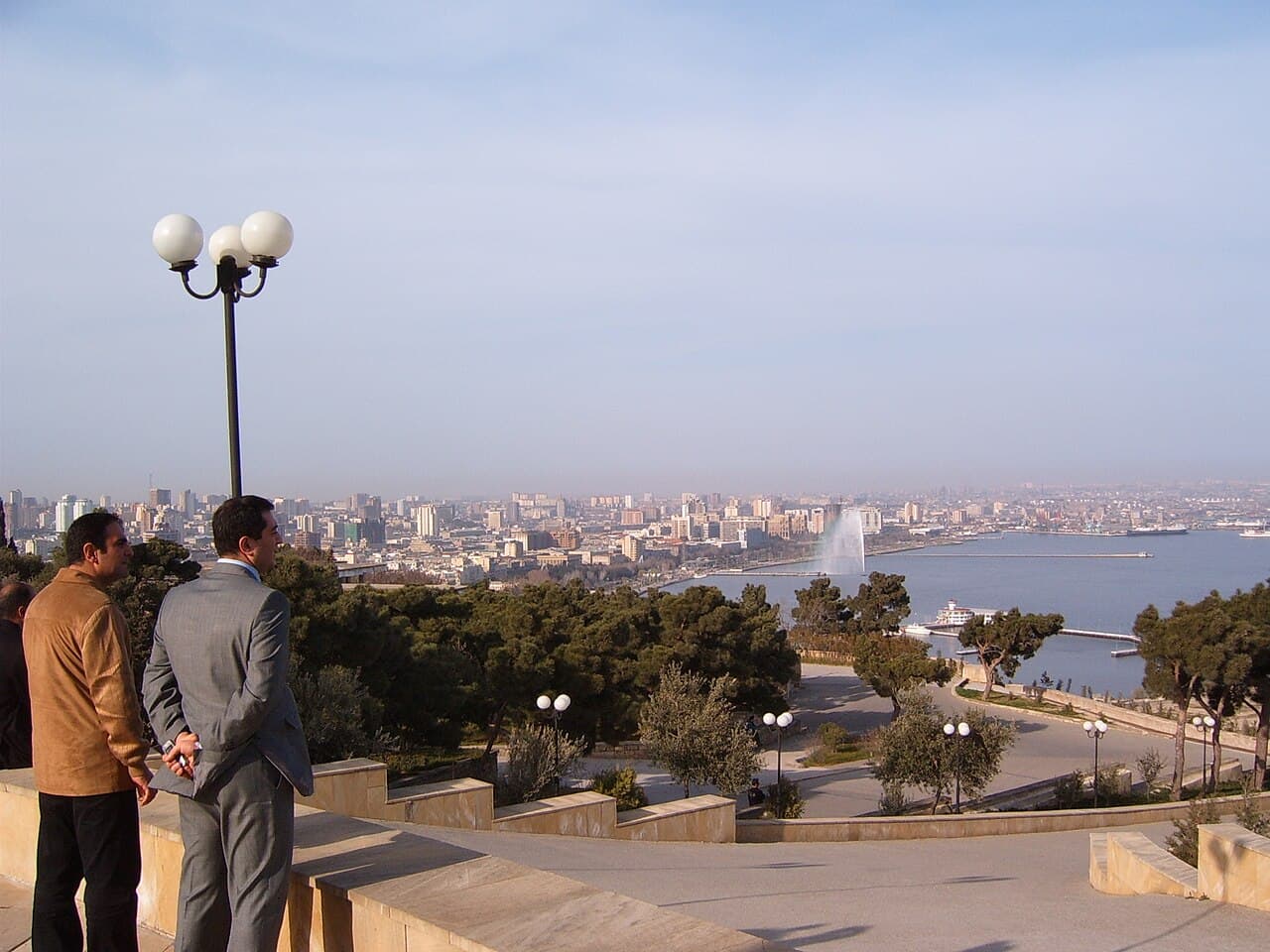
Absheron's Oilfields: From Contaminated Land to Regeneration
Tens of thousands of hectares left contaminated by the Soviet oil era, a World Bank rehabilitation programme, and the White City built on the Black City
Read more →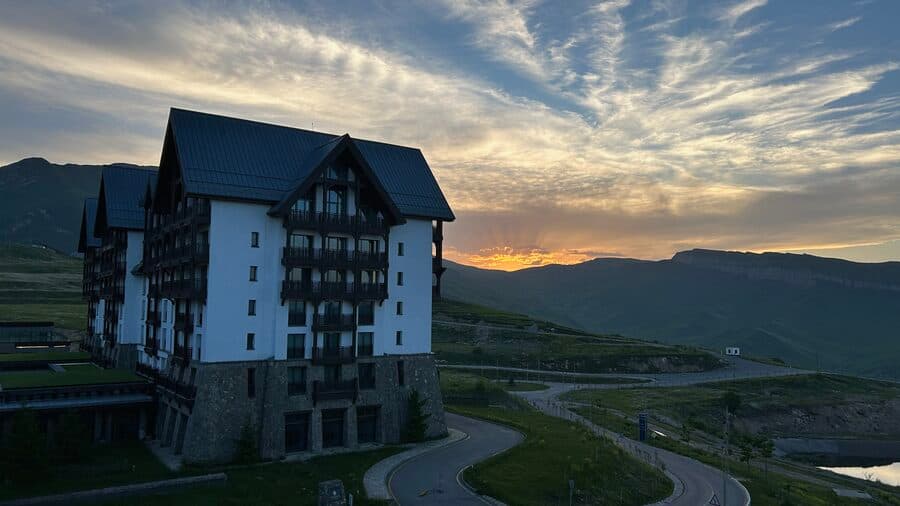 Azerbaijan cities & regions
Buying Property Near Shahdag: A Guide to Azerbaijan's Ski Real Estate
Resort apartments and chalets around Shahdag Mountain Resort - rental yield potential from ski tourism, price comparison with the Alps, and what distant owners should know
Read more → Azerbaijan cities & regions
Buying Near Tufandag: Real Estate at Gabala's Ski Resort
Chalets, hotel-apartments and two seasons of demand - what buyers should know about property near Gabala's mountain resort
Read more →