Buying Property in Mingachevir: An Early-Stage Lakeside Market
Published on 2026-07-23 · 4 min read
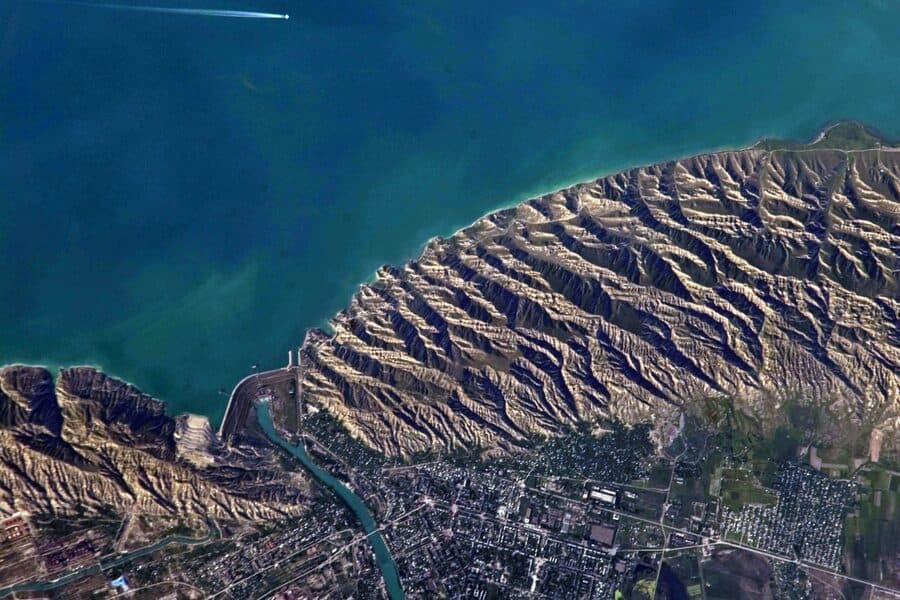
Mingachevir occupies an unusual position in Azerbaijan's regional property landscape: it has the single largest body of water in the country on its doorstep, yet almost none of the coastal-resort real estate infrastructure that has developed around the Caspian shore near Baku. For buyers willing to look at an early-stage, largely domestic market, that gap is precisely what makes the city worth a closer look — and precisely why expectations need to be set honestly from the start.
A Different Kind of Market
Unlike Baku's Caspian-facing developments, or even the newer resort projects around Absheron, Mingachevir has almost no history of purpose-built lakeside residential or vacation property. The reservoir was engineered for power generation, irrigation, and flood control, not tourism, and the shoreline around the city has developed accordingly: functional, lightly built-up, and largely unplanned from a real estate perspective. This means buyers are not entering an established second-home market with defined price tiers and comparable sales, as they would in a mature resort area. Instead, the opportunity here is closer to ground-floor: a small but growing number of private houses, guesthouses, and mixed-use plots near the water, priced well below anything comparable on the coast, with limited formal infrastructure and no large-scale developer presence yet.
The City's Layout and Housing Stock
Mingachevir's Soviet-planned street grid shapes what is available to buy. The city center and surrounding residential districts consist mainly of mid-rise apartment blocks from the 1950s through 1980s, interspersed with newer, smaller-scale developments built since Azerbaijani independence. Compared to Baku or even Ganja, the housing stock is generally lower-density and less vertical — five-story Soviet-era blocks rather than high-rise towers dominate most neighborhoods, and single-family houses with small plots are common on the city's outskirts, particularly toward the reservoir shore. This gives the city a practical, unglamorous character: wide streets, generous green space between buildings, and a layout clearly designed around functional living for an industrial workforce rather than aesthetic appeal. For buyers, that translates into straightforward apartment purchases in the older housing stock, and a smaller, more variable market for houses and land near the water.
Lakeside Potential, Still Undeveloped
The most interesting long-term angle on Mingachevir property is the reservoir shoreline itself. Sections of the coast within reasonable distance of the city center remain undeveloped or lightly developed, held either by the state, agricultural users, or private owners with modest existing structures. As domestic lake tourism grows — driven by Azerbaijanis from Baku and Ganja looking for an inland alternative to the crowded Caspian coast — demand for guesthouses, small hotels, and waterfront plots has begun to tick up, but from a very low base. There is currently no equivalent in Mingachevir to the branded resort developments seen on the Absheron coast or in mountain destinations like Gabala and Shahdag; what exists instead is raw waterfront potential without the marinas, promenades, or hospitality infrastructure that would normally accompany it. Buyers looking at this segment should treat it as a speculative, long-horizon position rather than a ready-made investment product.
Price Levels
Property prices in Mingachevir sit well below both Baku and Ganja, reflecting the city's smaller economy, more limited buyer pool, and early-stage tourism sector. Apartments in the standard Soviet-era housing stock trade at a fraction of comparable units in the capital, and even newer, better-finished apartments in central Mingachevir remain considerably cheaper than equivalent properties in Baku's outer districts. Houses and land near the reservoir shore vary far more widely, since so little of that market has been formally priced or transacted at scale — plots close to the water with lake views can command a premium relative to inland land in the same district, but the absence of comparable sales makes valuation more a matter of negotiation than established benchmarks.
Who It Suits
Mingachevir is not a market for buyers seeking rental yield, liquidity, or a quick resale, and it should not be compared directly to Baku's established investment districts. It appeals instead to a narrower set of buyers: domestic purchasers from within Azerbaijan looking for an affordable lake house or weekend retreat within driving distance of both Baku and Ganja, water sports enthusiasts drawn to the reservoir's boating and fishing potential, and long-horizon investors willing to bet on the slow growth of inland lake tourism the way earlier buyers once bet on Absheron's beach towns. It is not a fit for buyers expecting a turnkey resort experience, established rental demand, or the kind of infrastructure — marinas, promenades, hotel chains — that already exists on the Caspian coast.
Takeaway
Mingachevir real estate is genuinely early-stage: a functional, well-planned Soviet-built city sitting beside the largest lake in the country, with a housing stock built for an industrial workforce and a shoreline that has barely begun to be developed for tourism or leisure. That combination makes it an honest niche opportunity rather than an established alternative to Baku or the Caspian coast — worth watching for buyers with patience and a genuine interest in the lake itself, but not yet a market with the depth, liquidity, or infrastructure of Azerbaijan's more established property destinations.
 Azerbaijan cities & regions
Absheron's Oilfields: From Contaminated Land to Regeneration
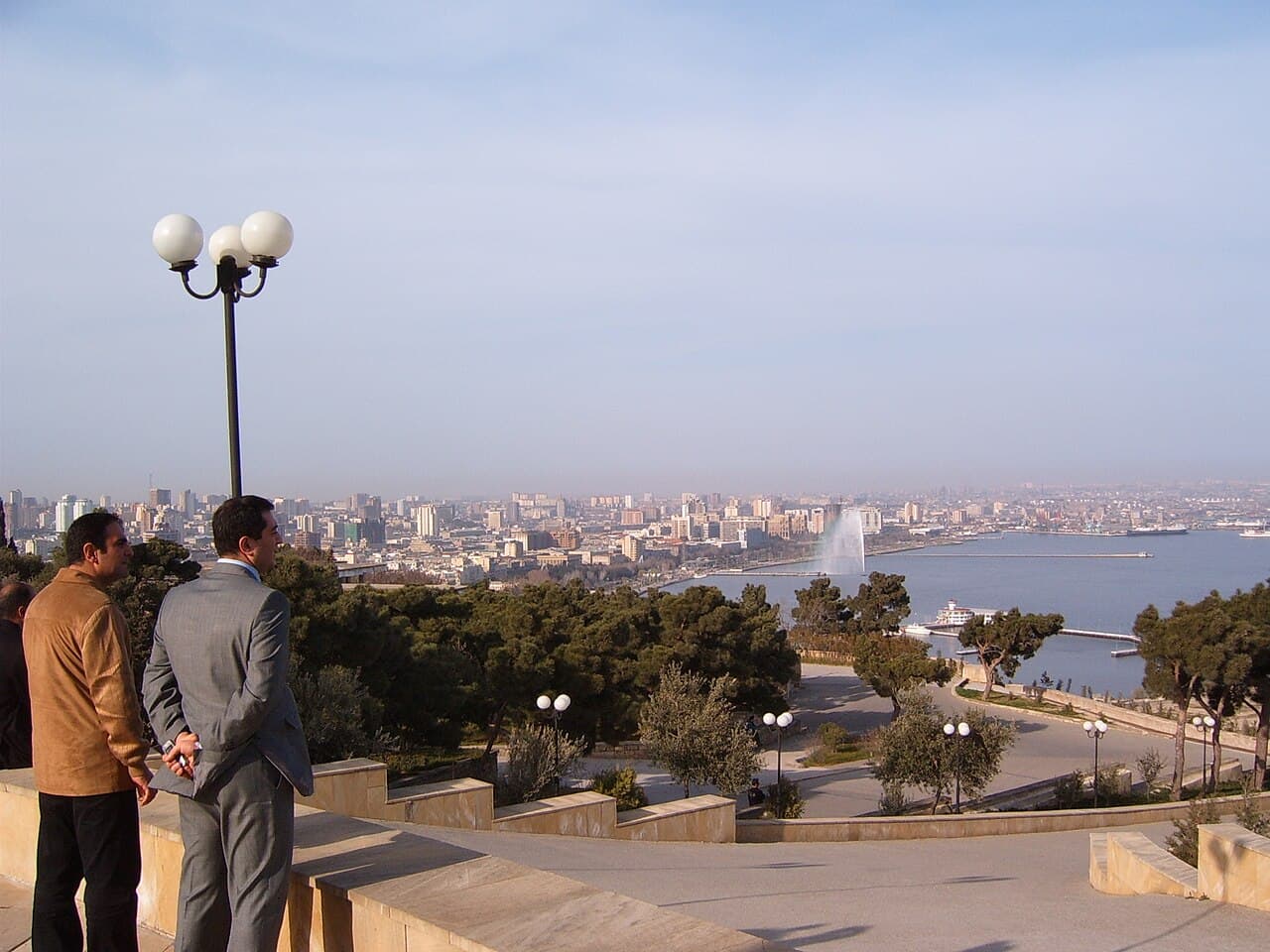
Tens of thousands of hectares left contaminated by the Soviet oil era, a World Bank rehabilitation programme, and the White City built on the Black City
Read more →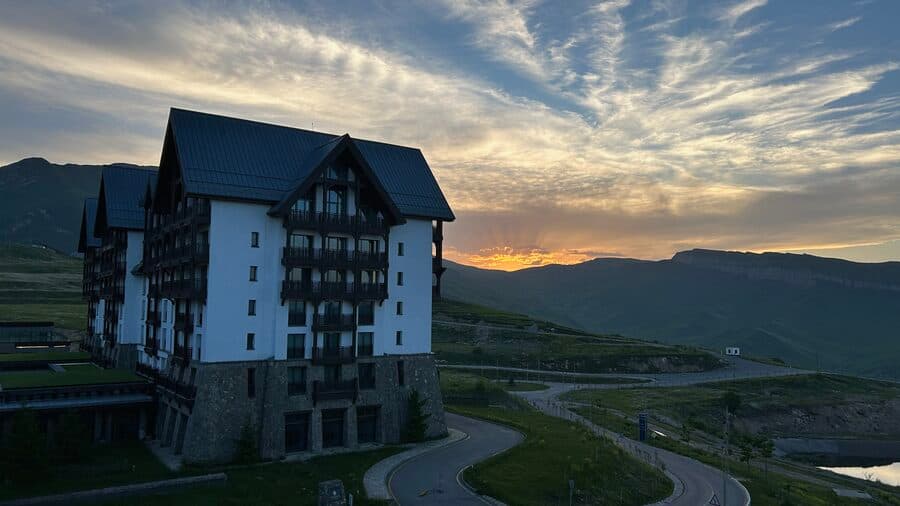 Azerbaijan cities & regions
Buying Property Near Shahdag: A Guide to Azerbaijan's Ski Real Estate
Resort apartments and chalets around Shahdag Mountain Resort - rental yield potential from ski tourism, price comparison with the Alps, and what distant owners should know
Read more →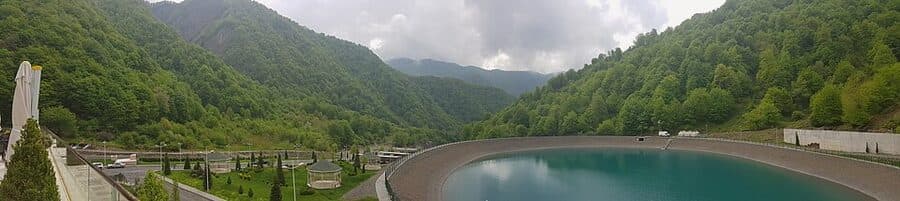 Azerbaijan cities & regions
Buying Near Tufandag: Real Estate at Gabala's Ski Resort
Chalets, hotel-apartments and two seasons of demand - what buyers should know about property near Gabala's mountain resort
Read more →