Buzovna: Baku's Classic Beach and Sanatorium Town on the Absheron Coast
Published on 2026-08-04 · 3 min read
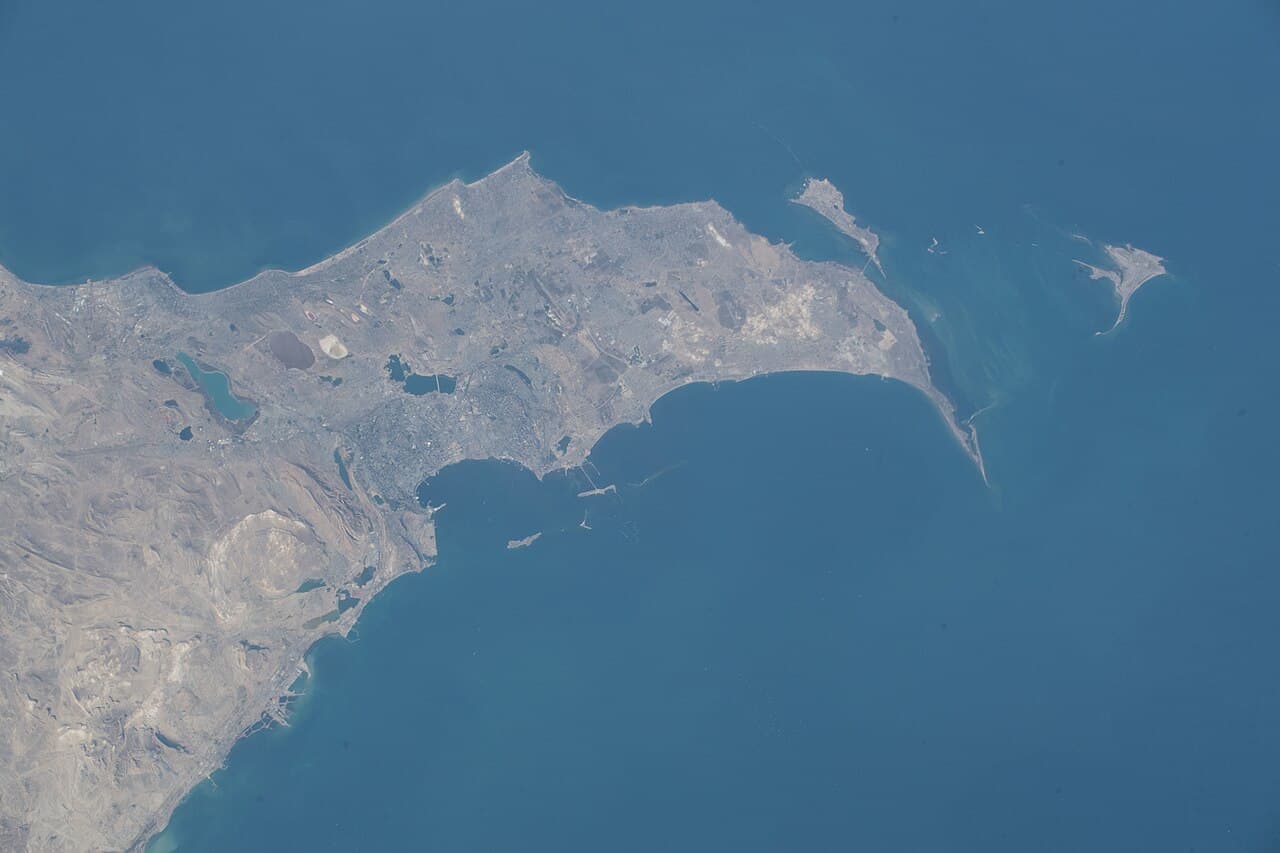
Of the beach towns strung along the Absheron Peninsula's coast, Buzovna is among the best known to ordinary Baku residents — not primarily as a real estate destination, but as the place generations of the city's families have gone for a day, a weekend, or a summer at the beach. That identity as a health resort and popular seaside getaway continues to shape the town today, even as its residential market slowly develops alongside it.
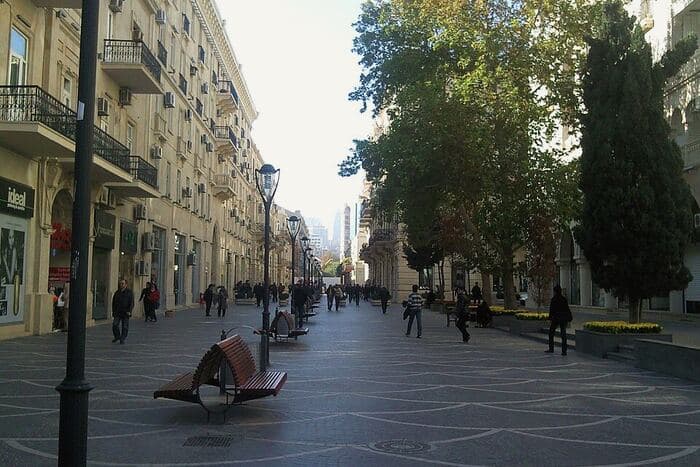
A Health Resort Heritage
Buzovna's reputation rests substantially on its sanatorium history. During the Soviet period, the town became home to a cluster of sanatoria and health resorts built to take advantage of its beach, sea air, and the mineral springs found across the wider Absheron area, drawing visitors from across the Soviet Union for rest cures and treatment stays rather than purely recreational holidays. Several of these sanatorium buildings and complexes remain in the town today, some still operating in a reduced form, others repurposed or standing as reminders of Buzovna's decades as a health-tourism destination.
Beaches and Everyday Popularity
Buzovna's beach is one of the more consistently used stretches of sand on the Absheron coast, popular not only with second-home owners but with Baku residents making day trips without any property connection to the town at all. That everyday accessibility — helped by relatively straightforward road access from the city — has given Buzovna a broader public identity than some of the more insular dacha settlements nearby, where beach access is more closely tied to owning or renting a house in the area. In summer, the beach and the businesses around it are genuinely busy, with cafes, tea houses, and seasonal vendors operating along the shorefront.
The Residential Market
Buzovna's housing stock reflects its long history as both a dacha town and a resort destination. Older garden-plot houses, some dating back generations, sit alongside more recent construction, including summer houses built specifically for rental to beachgoers during the high season. Compared to Mardakan, Buzovna's older housing carries less of a grand-estate character and more of a modest, functional dacha tradition, while compared to newer developments in towns like Turkan, its recent construction tends to be smaller in scale and more tied to short-term rental income than to resort branding.
Infrastructure and Access
Buzovna is connected to central Baku by road in a drive of roughly 35 to 45 minutes under typical conditions, comparable to its Absheron neighbors, and it benefits from a level of local commercial activity — shops, eateries, transport links — that reflects its status as a long-standing, well-known destination rather than an emerging one. That said, infrastructure quality still varies by street and season, with the core beach and commercial areas noticeably better maintained than some of the residential lanes further from the shorefront.
A Strongly Seasonal Town
Few Absheron settlements show the summer-to-winter contrast as clearly as Buzovna. The town's population and activity level rise sharply from late spring through early autumn, driven by both resident summer-house owners and the steady stream of day-trippers drawn by its beach, and drop off substantially once the season ends, when many businesses along the shorefront close until the following year.
Who It Suits
Buzovna suits buyers looking for an established, well-known beach town with a genuine local identity rather than a purpose-built resort feel, as well as those interested in short-term rental income given the steady flow of summer beachgoers who have no property in the area. It is a reasonable fit for buyers who want beach access without the higher price tag or historic-estate character of Mardakan, though it offers less in the way of mature gardens or architectural distinction.
Takeaway
Buzovna's identity as Baku's classic beach and sanatorium town, built up over decades of ordinary use rather than luxury development, gives it a different character from its Absheron neighbors: less exclusive, more familiar, and rooted in a long tradition of everyday seaside life that continues to define the town today.
Anyone weighing a purchase in this area can set it against other districts of Baku in the neighbourhood comparison tool.
 Neighborhoods & areas
Baku Nightlife and Entertainment: An Investor's Guide
Baku's entertainment, restaurant and club scene by district — where activity concentrates, how it affects property values and what it means for choosing a neighbourhood
Read more → Neighborhoods & areas
Zabrat: Baku's Oil-Field Heritage Neighborhood
Inside Zabrat, an Absheron settlement built on Baku's early oil boom, now a residential district in Sabunchu with an industrial past still visible in its landscape
Read more →Neighborhoods & areasGörədil: A Smaller Absheron Settlement
What is known about Görədil (Goradil), a lower-profile settlement on the Absheron Peninsula, and how it fits the peninsula's broader rural and agricultural pattern
Read more →