Mardakan: Baku's Historic Dacha Town on the Absheron Peninsula
Published on 2026-08-04 · 4 min read
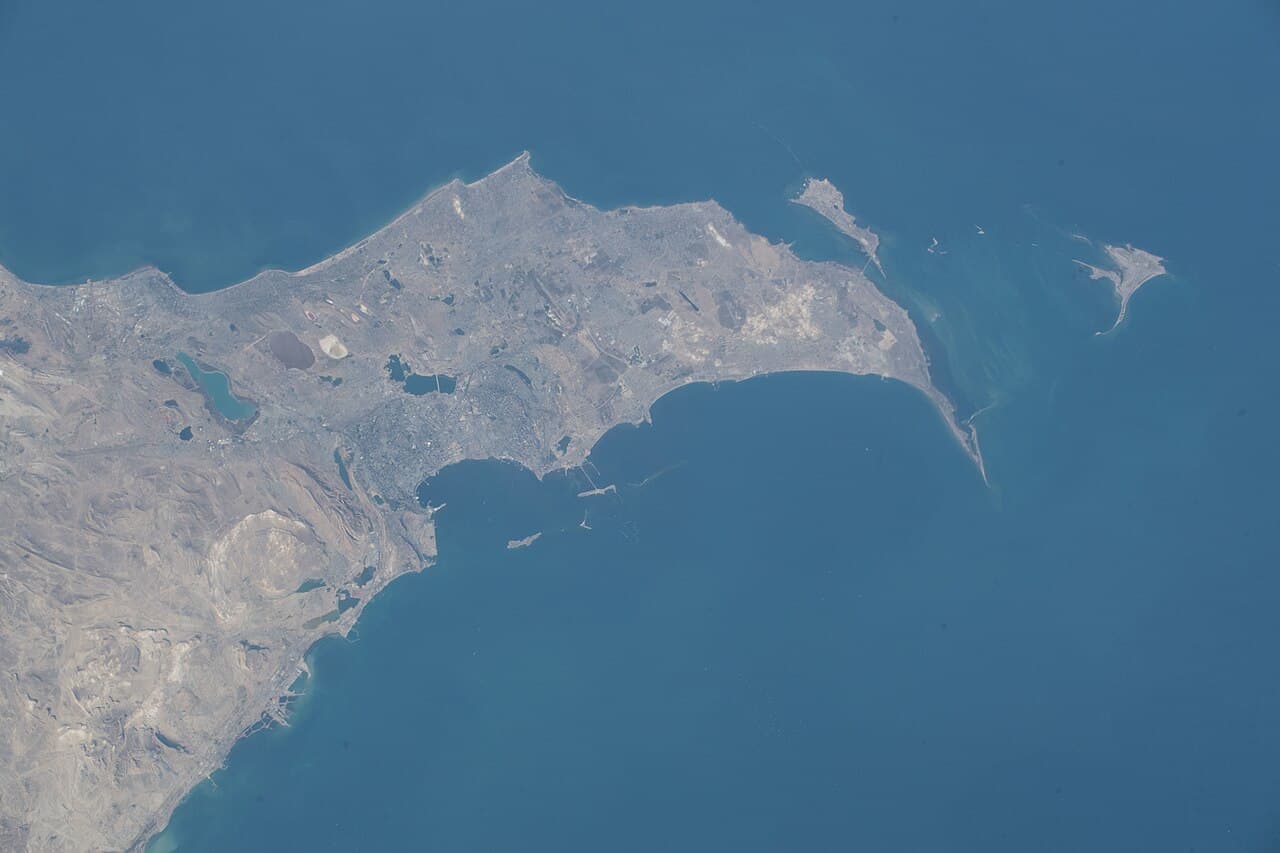
Of all the settlements scattered across the Absheron Peninsula, Mardakan carries the longest and most visible history. Located on the peninsula's northern coast within Baku's Khazar district, it has served as a summer retreat for Baku's residents — and its elite in particular — for well over a century, and its garden estates, orchards, and historic fortress tower set it apart from the newer resort towns nearby.
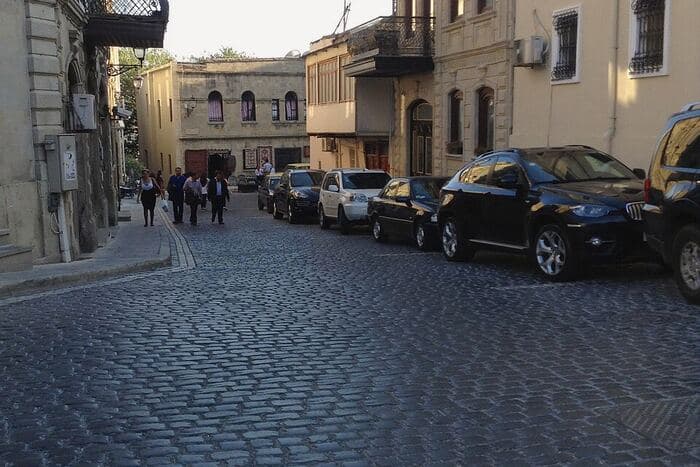
A Fortress Town
Mardakan's most recognizable landmark is its round fortress tower, a medieval stone keep that has stood watch over the settlement for centuries and remains one of the best-preserved defensive structures on the Absheron Peninsula. A second, square tower sits elsewhere in the settlement, a reminder that Mardakan was a fortified point along the coast long before it became a holiday destination. Both towers are protected as historical monuments and give the town a visual identity that none of the other Absheron beach settlements can match.
Gardens, Orchards, and the Dendrarium
Mardakan's identity as a summer retreat rests as much on its greenery as on its coastline. The town is known for its walled garden estates — many dating to the late nineteenth and early twentieth centuries, when Baku's oil-boom merchants and industrialists built summer villas here, planting orchards of fig, pomegranate, and mulberry behind high stone walls to shield them from the peninsula's wind and sun. That tradition of cultivated greenery culminated in the Mardakan Dendrarium, an arboretum established in the 1920s that today holds one of the region's larger collections of acclimatized trees and shrubs, and remains a point of civic pride and a rare patch of dense shade on an otherwise arid peninsula.
A Retreat for Generations of Baku's Elite
Long before dacha ownership became broadly accessible, Mardakan's gardens were the preserve of Baku's wealthiest families, and later, in the Soviet period, of senior officials and cultural figures who received or built dachas here. That legacy is still visible in the scale of some of the older properties — walled compounds far larger than the plots found in newer Absheron developments — even as many of these estates have been subdivided, sold, or renovated over the decades. Today, Mardakan continues to draw a mix of long-established local families with generational ties to the town and newer buyers drawn by its reputation and its greenery.
The Real Estate Market Today
Mardakan's property market reflects its layered history. Alongside the older walled estates, which command a premium for their mature gardens and larger footprints, there is a steady flow of newer construction — infill villas and smaller houses built on subdivided plots or on land closer to the settlement's edges. Compared to newer resort towns like Turkan, Mardakan's market leans somewhat more toward established, garden-oriented properties than beachfront new-builds, though its coastline still supports a beach and a smaller resort presence than towns built specifically around tourism.
Infrastructure and Access
Mardakan sits a comparable distance from central Baku as its neighboring Absheron towns, generally reachable within 35 to 45 minutes by road under normal conditions, and it benefits from being one of the more established settlements on the peninsula, with better road connections and local services than some of the newer or smaller developments nearby. Even so, infrastructure here — schools, clinics, public transport frequency — still lags what's available in central Baku, a pattern common across the Absheron towns.
Seasonal Life
Mardakan follows the same seasonal rhythm found across the peninsula, filling with residents and visitors through the summer months and quieting considerably in winter. However, because a larger share of its housing stock is occupied by families with long-standing ties to the town rather than purely seasonal second-home buyers, Mardakan tends to feel somewhat less empty in the off-season than some of the newer resort-oriented settlements nearby.
Who It Suits
Mardakan suits buyers drawn to historic character, mature gardens, and a sense of established community rather than new construction or beachfront resort amenities. It appeals particularly to those interested in restoring or living within an older walled estate, as well as to buyers who value Mardakan's cultural weight — its towers, its dendrarium, its long association with Baku's summer life — over the more purely recreational identity of towns further along the coast.
Takeaway
Mardakan is less a beach resort than a historic garden town that happens to sit on the Absheron coast. For buyers seeking depth of history, mature greenery, and a settlement with a real year-round community behind its summer character, it remains one of the peninsula's most distinctive options.
Anyone weighing a purchase in this area can set it against other districts of Baku in the neighbourhood comparison tool.
 Neighborhoods & areas
Baku Nightlife and Entertainment: An Investor's Guide
Baku's entertainment, restaurant and club scene by district — where activity concentrates, how it affects property values and what it means for choosing a neighbourhood
Read more → Neighborhoods & areas
Zabrat: Baku's Oil-Field Heritage Neighborhood
Inside Zabrat, an Absheron settlement built on Baku's early oil boom, now a residential district in Sabunchu with an industrial past still visible in its landscape
Read more →Neighborhoods & areasGörədil: A Smaller Absheron Settlement
What is known about Görədil (Goradil), a lower-profile settlement on the Absheron Peninsula, and how it fits the peninsula's broader rural and agricultural pattern
Read more →