Nardaran: Baku's Historic Pilgrimage Village
Published on 2026-08-03 · 3 min read
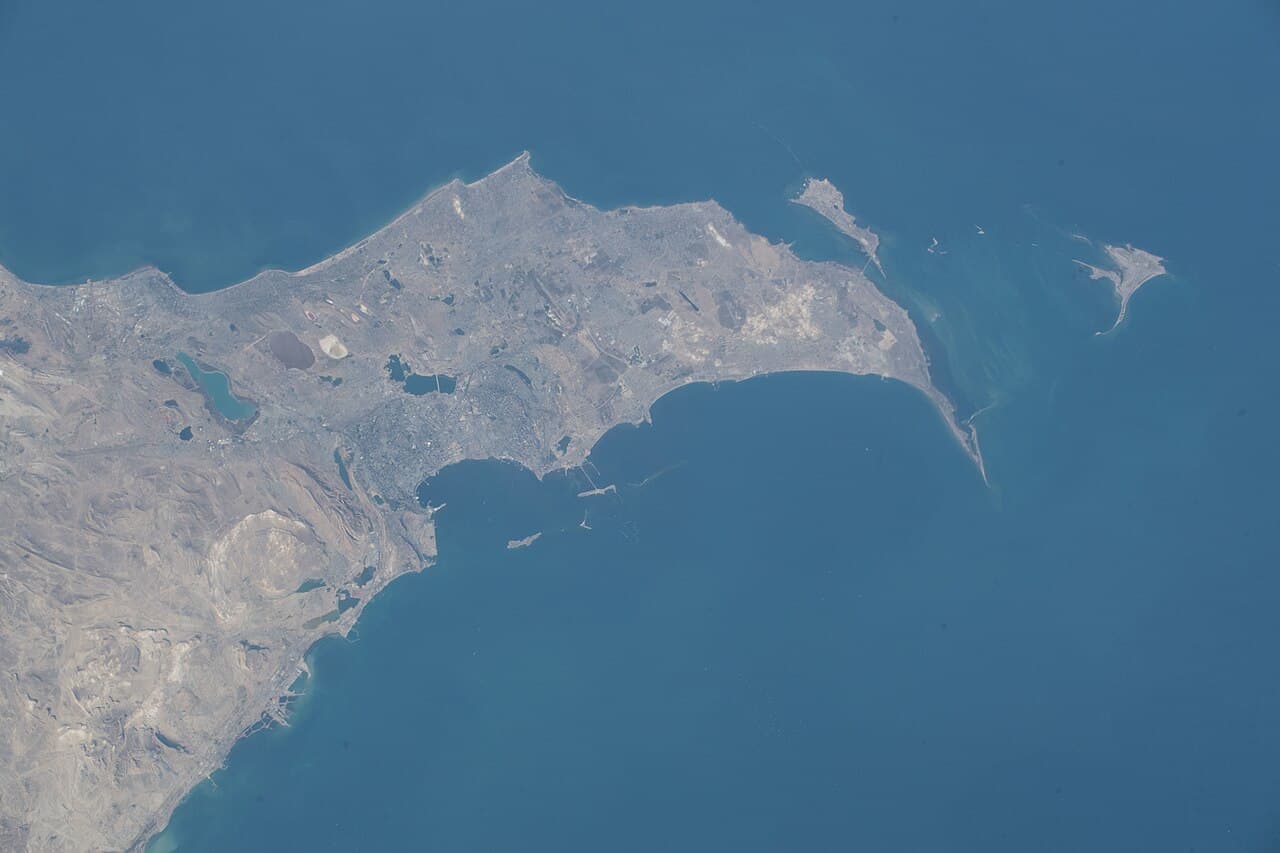
On the northern coast of the Absheron Peninsula, roughly 25 to 30 kilometers from central Baku, sits Nardaran — a village whose identity is shaped less by beaches or dacha culture than by faith and tradition. While towns like Mardakan and Buzovna further along the coast have developed around summer tourism, Nardaran has retained its character as a devout, close-knit community built around one of the region's most significant Shia pilgrimage sites.
The Shrine at the Village's Center
Nardaran is best known across Azerbaijan for its shrine complex, popularly known as the Pir of Nardaran, associated with Rahima Khanum, a figure venerated in local Shia tradition as a descendant of the Imams. The shrine and its adjoining mosque draw pilgrims from across Azerbaijan, particularly during Ashura and other significant dates in the Shia calendar, when the village's population swells considerably. The shrine complex, with its blue-tiled dome visible from a distance, functions as both a religious site and the organizing landmark around which the rest of the village is arranged.
A Distinct Social Character
Nardaran has a reputation, well known within Azerbaijan, as one of the country's most religiously conservative communities. Headscarves and traditional dress are far more visible here than in central Baku or the beach towns of the Absheron coast, and the rhythms of daily life visibly follow the religious calendar. The village has occasionally been a site of political and social tension, most notably in 2015, reflecting its distinct identity within the broader, more secular character of Baku. For buyers and residents, this translates into a genuinely different social environment than the rest of the Absheron Peninsula — more traditional, more insular, and less oriented toward outside visitors or seasonal tourism.
Village Architecture and Housing
Physically, Nardaran retains much of the older Absheron village character: narrow lanes, stone and brick courtyard houses, and a denser, more organic layout than the grid-planned dacha settlements elsewhere on the peninsula. Many houses sit on family-held plots that have passed through generations, with courtyard walls enclosing modest gardens rather than the larger open plots typical of dacha areas. Newer construction has filled in gradually around the older core, but the village has not seen the kind of resort-oriented development that has reshaped parts of Mardakan or Buzovna.
Nardaran's economic history also includes early oil extraction — like much of the Absheron Peninsula, the area saw oil wells sunk in the late nineteenth and early twentieth centuries, and traces of that industrial past remain part of the landscape alongside the older fishing and agricultural traditions that sustained the village before oil.
Real Estate Considerations
Property in Nardaran has historically attracted far less outside investment interest than the peninsula's beach towns, and the market here functions differently — driven more by local family transactions than by buyers seeking a second home or rental income. Prices remain comparatively modest, and turnover is slower. Buyers interested in traditional Absheron courtyard housing, rather than a beach lifestyle, will find a genuinely different product here than in Mardakan or Bilgah.
Infrastructure is functional but modest: roads connect Nardaran to the main peninsula routes and on to Baku, though public transport frequency and the range of local services lag behind both central Baku and the more developed coastal towns. Buyers should expect a village pace of life rather than urban convenience.
Who It Suits
Nardaran suits buyers specifically interested in Absheron's traditional village heritage, those with family or community ties to the area, and buyers prioritizing a quiet, conservative residential setting over beach access or resort amenities. It is not a fit for those seeking the seasonal, tourism-oriented atmosphere found further along the peninsula's coast, nor for buyers prioritizing rental yield from short-term visitors.
Takeaway
Nardaran offers something distinct from the rest of the Absheron Peninsula: a living, working village organized around centuries of religious tradition rather than summer tourism. For buyers drawn to that authenticity and willing to accept its modest infrastructure and insular social character, it remains one of the peninsula's most historically significant settlements.
Anyone weighing a purchase in this area can set it against other districts of Baku in the neighbourhood comparison tool.
Neighborhoods & areasBaku Nightlife and Entertainment: An Investor's Guide
Baku's entertainment, restaurant and club scene by district — where activity concentrates, how it affects property values and what it means for choosing a neighbourhood
Read more → Neighborhoods & areas
Zabrat: Baku's Oil-Field Heritage Neighborhood
Inside Zabrat, an Absheron settlement built on Baku's early oil boom, now a residential district in Sabunchu with an industrial past still visible in its landscape
Read more →Neighborhoods & areasGörədil: A Smaller Absheron Settlement
What is known about Görədil (Goradil), a lower-profile settlement on the Absheron Peninsula, and how it fits the peninsula's broader rural and agricultural pattern
Read more →