Ten Common Mistakes Investors Make in Baku
Published on 2026-09-08 · 5 min read
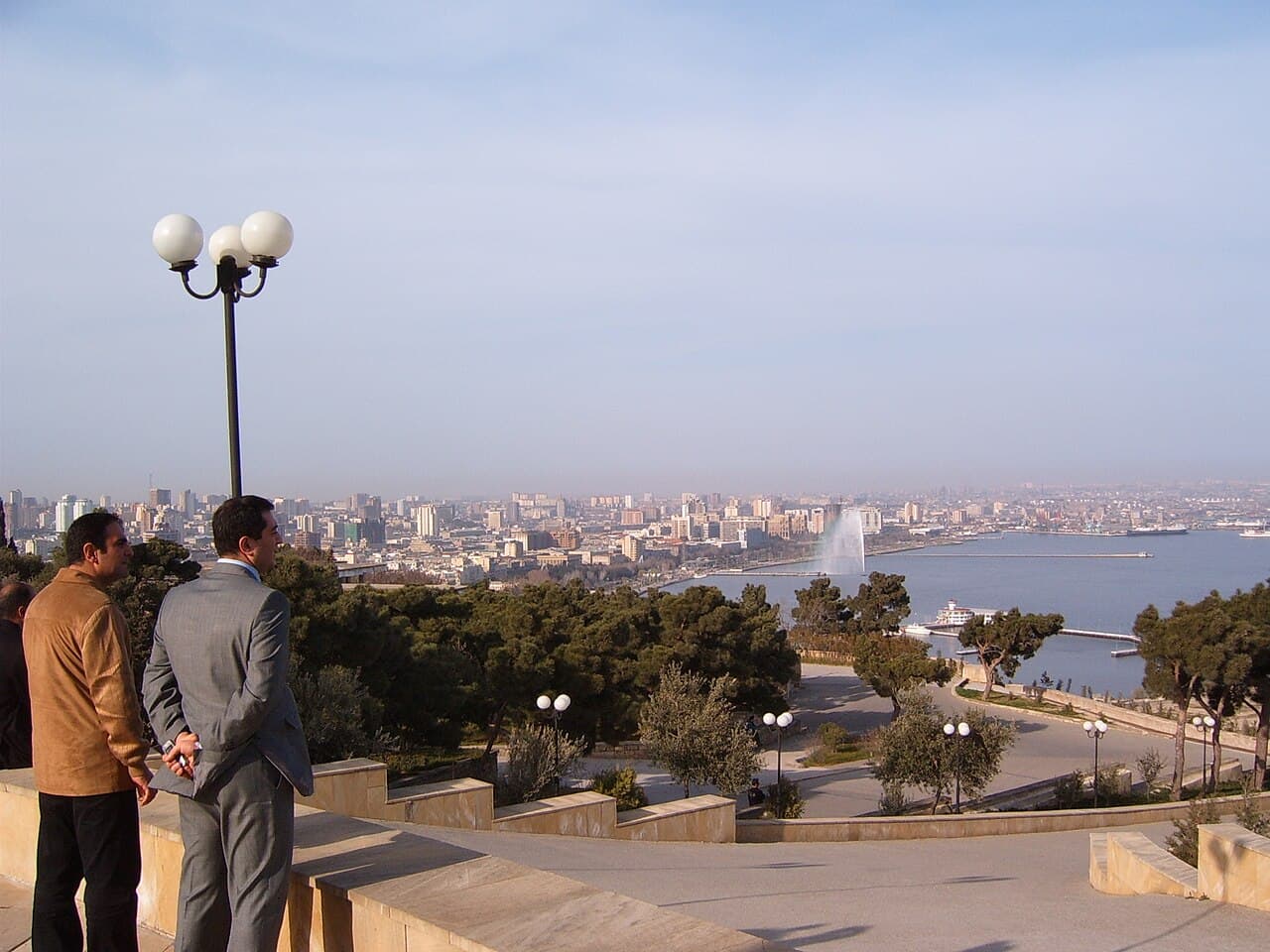
Mistakes in overseas property investment recur in clear patterns. They almost always stem from assumptions an investor brings from their home market and applies to a market that works differently. This article gathers the ten most common mistakes in the Baku market — and what to do instead.
1. Calculating Gross Yield Instead of Net
The yield presented in marketing is almost always gross: annual rent divided by price. It ignores management fees, taxes, maintenance, a repairs reserve and vacancy periods.
What to do instead: calculate net. A gross yield of 8% may become 5% net. We expanded on this in rental yields in Baku by neighbourhood.
2. Ignoring Currency Risk
This is the most expensive mistake, and not merely a theoretical one. In 2015, the manat devaluation erased a significant share of foreign investors' asset values in dollar terms, while prices in manat barely fell.
What to do instead: calculate everything in the currency you live in, and examine the exchange rate history over ten years. We expanded on this in manat stability and what it means for property investors.
3. Comparing Yields at Home Without Accounting for Leverage
At home you buy with a mortgage — that is, with the bank's money. In Baku, as a foreigner, you usually pay cash. A 7% yield on full equity is not equivalent to a 3% yield on a leveraged property.
What to do instead: compare return on equity, not return on the asset. We expanded on this in Baku versus Israel property investment.
4. Paying the "Foreign Investor Price"
In emerging markets, properties marketed to foreigners are sometimes priced at a premium above local market value. The premium disappears on the day you sell.
What to do instead: check actual transaction prices for comparable properties on the same street, not developer price lists. We expanded on this in price per square metre in Baku by district.
5. Having No Exit Strategy
Many investors never ask who will buy from them, how long it will take, or how money leaves the country — until they need to do it.
What to do instead: establish this before signing, not after. We expanded on this in exit strategy: how to sell a property in Baku.
6. Relying on the Seller's Professionals
The agent, the developer's lawyer and the marketing company do not represent you. They represent the other side.
What to do instead: engage an independent local lawyer whom you pay directly and who represents you alone. We expanded on this in a checklist for choosing a developer in Baku.
7. Buying Without Seeing the Property or Using an Independent Representative
A virtual tour shows what the camera is pointed at. It does not show noise, neighbours, the state of the building or what lies around the corner.
What to do instead: travel at least once, or engage an independent representative to inspect physically. We expanded on this in buying property in Baku remotely without flying.
8. Ignoring Local Supply Risk
Investors examine demand but not supply. A project in an area with four further towers completing the same year is exposed to price pressure and competition for tenants.
What to do instead: count how many new units complete within a two-kilometre radius in the coming years. We expanded on this in the new supply pipeline in Baku.
9. Neglecting Tax Liability at Home
Low tax in Azerbaijan does not mean low tax overall. A tax resident of another country must report and pay tax at home on foreign income.
What to do instead: consult a tax adviser at home before the purchase, not during filing season. We expanded on this in property taxes and ownership costs in Azerbaijan.
10. Building the Model on Capital Appreciation
A rise of around 14% over the past year is not a sustainable pace. Long-term forecasts for the Azerbaijani market point to a far more moderate rate.
What to do instead: build viability on running yield alone, and treat appreciation as a bonus. A deal that only makes sense if the price rises is a high-risk deal. We expanded on this in the Baku property price forecast 2027-2030.
The Mistake Behind All the Mistakes
If these ten mistakes share a common denominator, it is this: assuming the new market behaves like the home market.
An investor brings assumptions that hold at home — that a public transaction register exists, that a mortgage is available, that the currency is stable, that the buyer pool is large, that the legal system is transparent. None of those assumptions is a given in Baku.
The right approach is not to avoid the market but to test each assumption explicitly rather than presume it holds. We expanded on the method in how to compare overseas property markets properly.
Summary
The ten mistakes described here recur because they are intuitive — they come from applying local experience to a foreign market. An investor who calculates net, prices currency risk, verifies a genuine market price, builds an exit strategy in advance and uses independent advice is in a far stronger position. In every case, there is no substitute for independent due diligence, local legal support and home-country tax advice before any commitment.
Related Articles
 Real estate investing
The Israel-Azerbaijan-US Triangle in 2026
An AI memorandum, an American strategic charter and talks on a trilateral format. What is actually new here, what was already in place, and what it means for buyers
Read more → Real estate investing
How Dependent Is Azerbaijan's Economy on Oil, Really?
The non-oil sector reaches 75.8% of GDP in 2026, but that share is rising for two different reasons. The official figures, the IMF's view, and what it means for buyers
Read more →Real estate investingThe Armenia-Azerbaijan Peace Deal: Where It Stands
The agreement was initialed in August 2025 but remains unsigned. What was agreed, what is blocking signature, what the Armenian election changed, and what it means for owners
Read more →