Gabala: Azerbaijan's Mountain Resort Town Comes Into Its Own
Published on 2026-07-22 · 5 min read
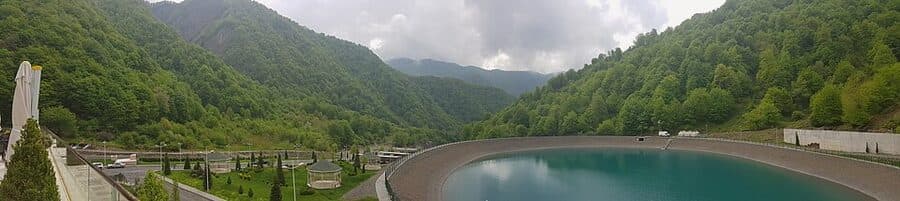
Roughly 225 kilometers northwest of Baku, in the forested foothills where the Greater Caucasus range begins to rise, sits Gabala (Qəbələ) — a town of around 14,000 people that has grown, over the past decade and a half, from a quiet agricultural district center into Azerbaijan's most visited mountain resort. The transformation has been driven by a combination of natural assets, a purpose-built ski and cable-car resort, an internationally recognized music festival, and steady state investment in roads, hotels, and a regional airport.
An Ancient District With a New Purpose
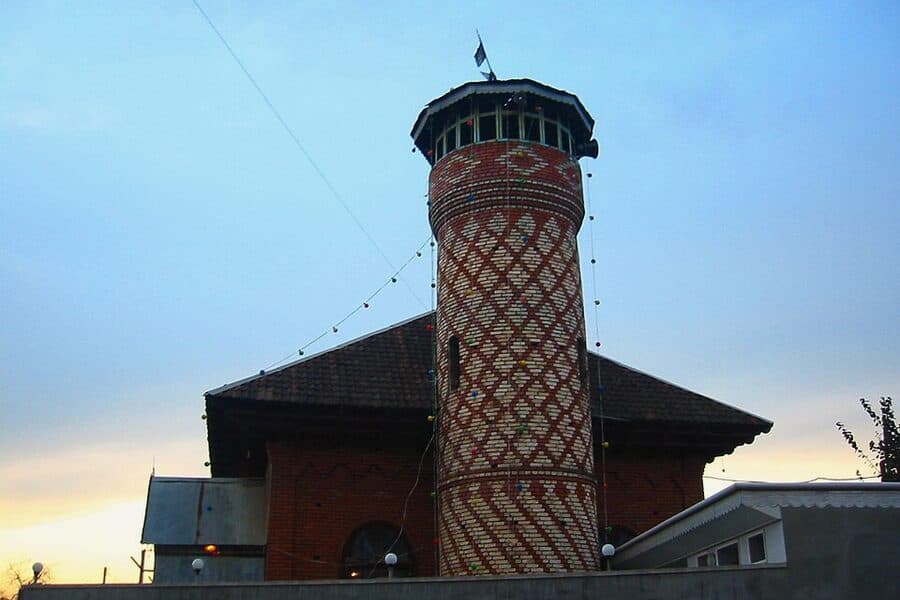
Gabala's history predates its current tourism boom by roughly two thousand years. The nearby ruins known as Qəbələ (or Kabala) are believed to mark the site of the ancient capital of Caucasian Albania, one of the historic kingdoms of the South Caucasus, and archaeological excavations at the site continue to this day. The town itself also holds a more modest but well-loved landmark: a plane tree (chinar) estimated to be around 500 years old, still standing in the town center and used as an informal meeting point. This layering of ancient history under a modern resort economy is part of what distinguishes Gabala from purely purpose-built tourism towns elsewhere in the region.
Tufandag: The Mountain Resort
The centerpiece of Gabala's modern tourism identity is Tufandag Mountain Resort, a ski and recreation complex that opened in stages starting in 2011 on the slopes above the town. A three-stage cable car carries visitors from a base station at roughly 800 meters up to around 2,500 meters, with intermediate stations offering restaurants, viewing platforms, and — in winter — access to ski runs. In summer, the same infrastructure serves hikers, paragliders, and visitors simply seeking cooler air and mountain views; Tufandag markets itself increasingly as a year-round destination rather than a winter-only resort.
Waterfalls, Lakes, and Forest
Beyond Tufandag, Gabala's district is dense with natural attractions that draw day-trippers from Baku and overnight visitors alike. The Yeddi Gozel ("Seven Beauties") waterfall, a multi-tiered cascade reached via a short forest walk, is among the most photographed sites in the region. Nohur Lake, an artificial reservoir a short drive from the town center, has been developed with walking paths, paddle boats, and a cluster of lakeside restaurants, making it a popular stop for families. The surrounding hills are covered in dense beech and hornbeam forest, in sharp visual contrast to the semi-arid landscape most visitors associate with Baku and the Absheron Peninsula.
A Cooler Climate, and a Summer Escape
Gabala sits at roughly 500 to 600 meters above sea level, and that elevation, combined with its forest cover, gives it a noticeably cooler and more humid climate than Baku. Summer temperatures typically run several degrees below the capital's, and rainfall is markedly higher, keeping the surrounding hills green through most of the year. For Baku residents accustomed to dry heat and Caspian humidity in July and August, Gabala has become a standard summer escape — a pattern reflected in the steady growth of both hotel capacity and second-home interest in the district over the past several years.
The Gabala International Music Festival
Since its founding in 2009, the Gabala International Music Festival has become one of the more unusual entries on Azerbaijan's cultural calendar: a classical and jazz festival, held annually in late July and August, that has drawn conductors, soloists, and orchestras from Europe, Russia, and beyond to an open-air amphitheater in a town of fewer than 15,000 people. The festival has done as much as any single initiative to put Gabala on the map for visitors who might otherwise never have considered a mountain town in northern Azerbaijan, and it anchors a period of peak hotel occupancy each summer.
A Growing Hospitality Sector
Hotel development in and around Gabala has accelerated well beyond what the town's permanent population would suggest. International-standard properties such as the Qafqaz Riverside Resort, Qafqaz Tufandag Mountain Resort Hotel, and Marxal Resort & Spa have opened over the past decade, alongside a wider range of smaller boutique hotels and guesthouses catering to both domestic and international visitors. This hotel base, combined with Gabala International Airport — which offers short domestic flights connecting the town to Baku in around 40 minutes — has made the district increasingly accessible without a car.
Why It's Becoming a Real Estate Story
The combination of factors that draws visitors to Gabala — cooler summers, mountain scenery, a resort infrastructure already built out around Tufandag, and a cultural calendar anchored by the music festival — is the same combination now drawing real estate interest. Land and property near the resort area and the town center have seen rising attention from Baku-based buyers looking for a second home outside the capital, as well as from developers building small-scale hotel-apartment and chalet projects aimed at the vacation-rental market. Compared to the well-established coastal and dacha markets of the Absheron Peninsula, Gabala represents a newer and smaller real estate story, but one built on a genuinely distinct proposition: mountains rather than sea, and a resort economy with two active seasons rather than one.
Getting There
Gabala is reachable from Baku by road in roughly three to three and a half hours via Shamakhi and Ismayilli, or by a short domestic flight into Gabala International Airport. Both routes have improved substantially over the past decade as part of wider infrastructure investment in the district, another factor behind the town's rising profile among both tourists and prospective buyers.
Property types outside Baku differ from those in the city - from a holiday house to an apartment in a new development. The property type finder is a reasonable starting point for anyone still deciding.
 Azerbaijan cities & regions
Absheron's Oilfields: From Contaminated Land to Regeneration
Tens of thousands of hectares left contaminated by the Soviet oil era, a World Bank rehabilitation programme, and the White City built on the Black City
Read more → Azerbaijan cities & regions
Buying Property Near Shahdag: A Guide to Azerbaijan's Ski Real Estate
Resort apartments and chalets around Shahdag Mountain Resort - rental yield potential from ski tourism, price comparison with the Alps, and what distant owners should know
Read more →Azerbaijan cities & regionsBuying Near Tufandag: Real Estate at Gabala's Ski Resort
Chalets, hotel-apartments and two seasons of demand - what buyers should know about property near Gabala's mountain resort
Read more →