Görədil: A Smaller Absheron Settlement
Published on 2026-08-05 · 4 min read
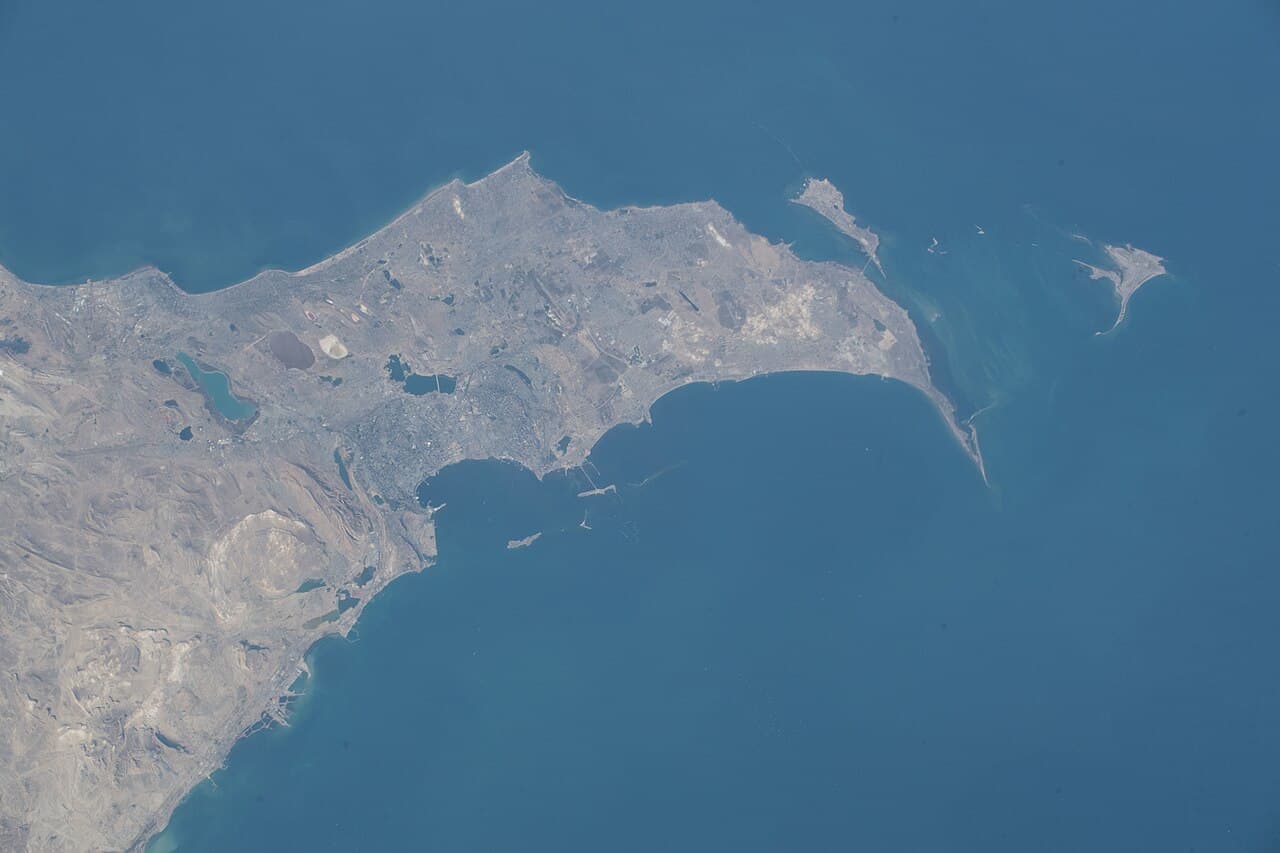
Not every settlement on the Absheron Peninsula has the name recognition of Buzovna, Mardakan, or Bilgah. Görədil (also transliterated Goradil) is one of the peninsula's smaller, lower-profile communities — a place that rarely features in tourism material or real estate coverage, and about which considerably less detailed information is publicly available than for the peninsula's better-known towns. Rather than manufacture specifics that cannot be reliably confirmed, it is more useful to place Görədil within the broader pattern of Absheron's smaller settlements and be clear about what is, and is not, well documented.
Part of a Peninsula of Many Small Settlements
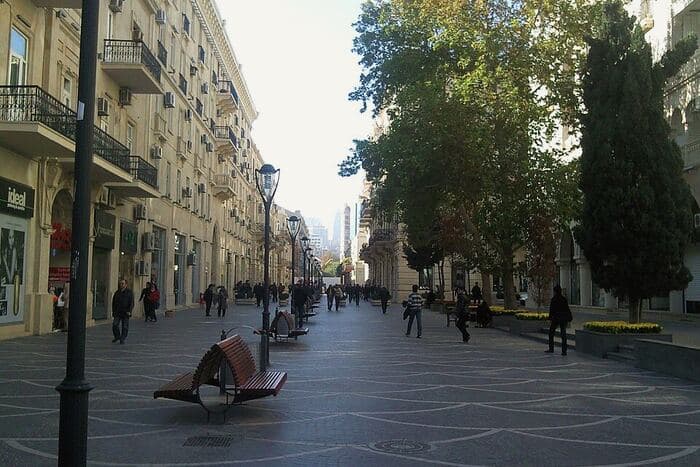
The Absheron Peninsula is not made up only of its famous beach resorts. Alongside well-known towns like Buzovna, Mardakan, Bilgah, and Nardaran, the peninsula includes a larger number of smaller villages and settlements spread across its interior and along secondary roads away from the coast. These smaller communities generally receive far less attention — in travel guides, in real estate listings, and in general reference material — than the coastal resort towns, simply because they lack the beaches, sanatoriums, or historical landmarks that draw outside interest. Görədil falls into this category: a settlement that exists within Absheron's dense patchwork of villages but has not developed the profile of its more prominent neighbors.
A Rural and Agricultural Character
What can be said with reasonable confidence is that Görədil shares the general character typical of Absheron's smaller, inland settlements. Historically, much of the Absheron Peninsula outside its oil fields and resort towns supported a modest agricultural economy, shaped by the region's arid, semi-desert climate and reliance on irrigation. Villages across the peninsula have traditionally grown produce suited to these conditions — grapes, pomegranates, and other fruit have long been part of Absheron's agricultural tradition, alongside small-scale market gardening. Smaller settlements like Görədil are more likely to reflect this rural, low-density pattern than the built-up, tourism-oriented character of the coastal towns, with housing generally consisting of modest private homes rather than apartment blocks or resort infrastructure.
Limited Public Documentation
It is worth being direct about the limits of what is verifiable here. Unlike Baku's major Absheron resort towns, which appear repeatedly in Soviet-era planning records, tourism guides, and contemporary real estate coverage, smaller settlements such as Görədil are not consistently documented in accessible sources. Population figures, precise administrative status, and specific local landmarks are not reliably available in the way they are for towns like Bilgah or Mardakan. Readers and prospective buyers interested in Görədil specifically should treat it as an area requiring direct, local inquiry — through municipal offices, local real estate agents, or residents — rather than relying on general online reference material, which remains sparse.
Location Within Absheron
Görədil lies within the broader Absheron district structure that spans the peninsula outside central Baku's municipal boundaries — the administrative region that also contains numerous other small villages beyond the well-known coastal towns. Like much of this inland and semi-rural part of the peninsula, it sits away from the immediate coastline, connected to the rest of Absheron and to Baku by the regional road network rather than by a dedicated coastal route. This inland position is itself a useful marker: it distinguishes settlements like Görədil from the beach-facing resort towns and aligns them instead with Absheron's quieter, agrarian interior.
What This Means for Interested Buyers or Visitors
For anyone considering Görədil specifically — whether for property, curiosity, or research — the honest starting point is that it is not a well-covered destination. It does not carry the tourism infrastructure, sanatorium history, or real estate market visibility of Absheron's coastal towns, and detailed, verifiable specifics about its population, exact boundaries, or local amenities are not readily available through general research. What can reasonably be said is that it fits the pattern of Absheron's smaller rural settlements: modest, agriculturally influenced, low-density, and largely outside the tourism and resort economy that defines the peninsula's more famous names.
Takeaway
Görədil illustrates a broader point about the Absheron Peninsula: alongside its well-documented resort towns and oil-heritage settlements sits a larger number of smaller communities that remain comparatively obscure in available records. Rather than overstate what is known about Görədil specifically, it is more accurate to describe it as a modest, likely agricultural settlement typical of Absheron's rural interior — and to recommend direct, local research for anyone seeking more detailed or current information.
 Neighborhoods & areas
Baku Nightlife and Entertainment: An Investor's Guide
Baku's entertainment, restaurant and club scene by district — where activity concentrates, how it affects property values and what it means for choosing a neighbourhood
Read more → Neighborhoods & areas
Zabrat: Baku's Oil-Field Heritage Neighborhood
Inside Zabrat, an Absheron settlement built on Baku's early oil boom, now a residential district in Sabunchu with an industrial past still visible in its landscape
Read more →Neighborhoods & areasMardakan: Baku's Historic Dacha Town on the Absheron Peninsula
Garden estates, orchards and a centuries-old fortress tower - inside Mardakan, one of the Absheron Peninsula's oldest and most established summer retreats
Read more →