Nizami Raion: Not the Metro Station, Not the Street
Published on 2026-10-11 · 3 min read
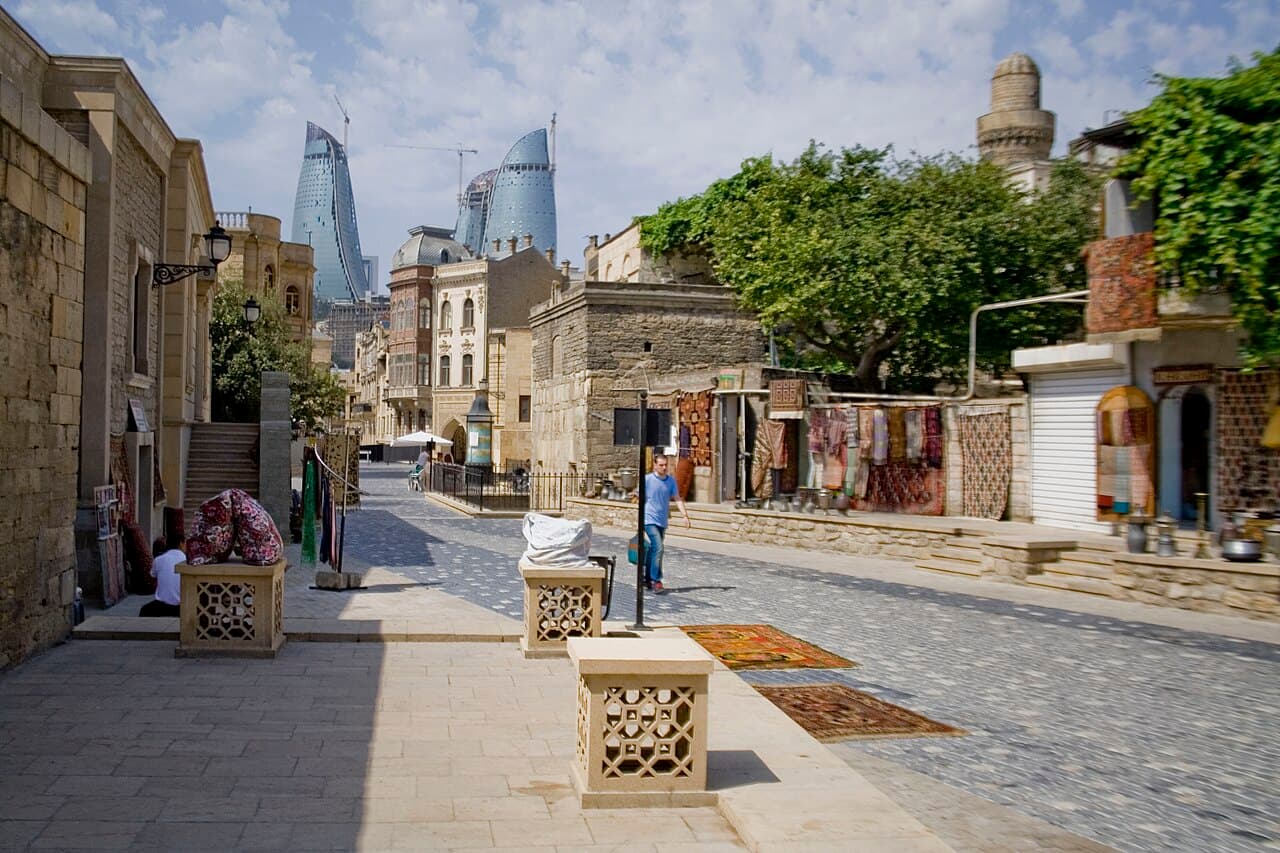
Nizami raion is one of Baku's twelve administrative districts, and probably the most confused of them all - not because of what is in it, but because of its name. The district covers 19.6 km² and has 201,239 residents, a density of roughly 17,800 per km². It is named after the poet Nizami Ganjavi. That is precisely the problem.
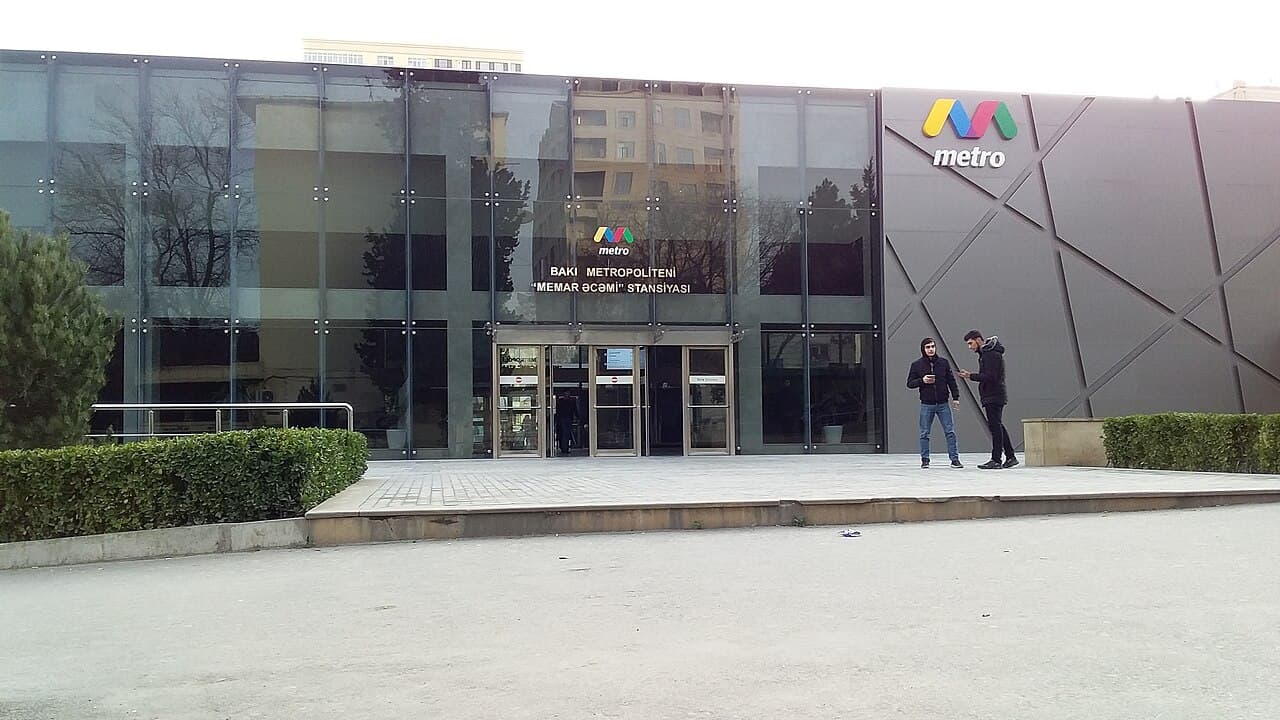
Three different "Nizami", with a real price gap between them
This is the first thing to settle, because it costs money:
- Nizami raion - the administrative district this page is about, in the inner east of the city.
- Nizami metro station - located in Yasamal, an entirely different district, in the centre-west.
- Nizami Street - the old Torgovaya, the commercial pedestrian street in the city centre.
All three are named after the same poet. A flat "near Nizami" can be three different assets in three different price bands, and local listings portals do not always distinguish. Anyone buying remotely has to verify which of the three is meant by the street, not by the name.
A second confusion: Keshla
Inside Nizami raion sits the Keşlə municipality, with around 25,626 inhabitants. At the same time, the neighbouring district of Narimanov was called Keshla until 1957. So the name Keshla appears in two different contexts in Baku - as the name of an existing municipality in Nizami raion, and as the historical name of Narimanov raion. In older documents and in conversation with long-standing residents, both uses can come up.
What is in the district
Nizami contains the urban-type settlement known as the 8th kilometre - a place name locals use routinely - and with it Bakcell Arena, a stadium that serves as a clear landmark and distinguishes the district from Baku's other Nizamis. If someone describes a property near Bakcell Arena, they mean Nizami raion and not the other two.
Character and housing stock
Nizami is a mixed residential-industrial district on the inner eastern edge of the city, with a medium-high density but lower than Nasimi's. The housing stock leans towards Soviet-era construction and complexes from recent decades rather than premium development. It is a district where most properties sell to local buyers rather than foreigners, which affects both liquidity and how quickly a transaction completes.
The property market
Nizami sits in Baku's lower-middle price band - below Khatai and the central districts, above the far suburbs. The logic is distance logic: the district is connected to the city but not in it, and its metro coverage is thinner than the central districts'.
According to the State Statistical Committee of Azerbaijan, in the second quarter of 2026 the primary market index rose 12.38% year on year, against 8.58% for the secondary market. In districts like Nizami, where Soviet-era stock makes up most of the supply, that means the district is on the slower side of that gap - and anyone buying here is buying current income rather than fast appreciation.
Rental Yield (ROI) Calculator
Calculate gross and net rental yield on an investment property and compare it to Baku's typical yield range.
Results
- Gross annual yield
- 7.20%
- Net annual yield (after expenses)
- 5.76%
Two numbers, both correct. At market level — a median rent of 11 AZN per m² per month against a median price of 2,735 AZN per m² (m2map, August 2026) — the gross yield is 4.83%. The Global Property Guide survey, which measures by district and size, gives a range of 3.57% to 12.96% averaging 6.02%. They measure different things. Cheaper areas (Ahmadli, Khatai) sit toward the top of the range with lower liquidity; prestige areas (White City, Badamdar) toward the bottom with more appreciation potential. Anyone modelling 7% needs to explain why their property will sit above the median.
Gross yield working: annual rent ÷ purchase price: 10,800 / 150,000
On yield, Nizami behaves like the lower-middle areas: higher gross yields than the centre, but a purely local tenant pool, lower liquidity and longer void periods. The full logic is in the yield by neighbourhood guide.
Who it suits
Nizami suits the investor looking for a low entry price and a high gross yield, who understands they are getting both in exchange for liquidity. It suits you less as a foreign buyer who wants to sell easily within a few years, or if you want a central address.
In summary
Nizami raion is a practical district with a naming problem. The most valuable thing to take from this page is not a price figure but a clarification: check which "Nizami" is meant before you compare prices. If you are weighing a purchase, set it against other districts with the neighbourhood comparison tool.
Neighborhoods & areasBaku Nightlife and Entertainment: An Investor's Guide
Baku's entertainment, restaurant and club scene by district — where activity concentrates, how it affects property values and what it means for choosing a neighbourhood
Read more → Neighborhoods & areas
Best Neighborhoods in Baku to Live In and Invest
A full guide to Baku's neighborhoods district by district, from Sabail and the Old City out to the Absheron villages, and what to check before you buy
Read more → Neighborhoods & areas
Bilgah: Baku's Quiet Sanatorium Beach Town
A guide to Bilgah, the Absheron Peninsula's understated health-resort town known for its sandy coast, pine groves and a slower pace than nearby Buzovna
Read more →