Why 'Miami-Style' Architecture Is Showing Up on the Caspian Coast
Published on 2026-08-16 · 4 min read
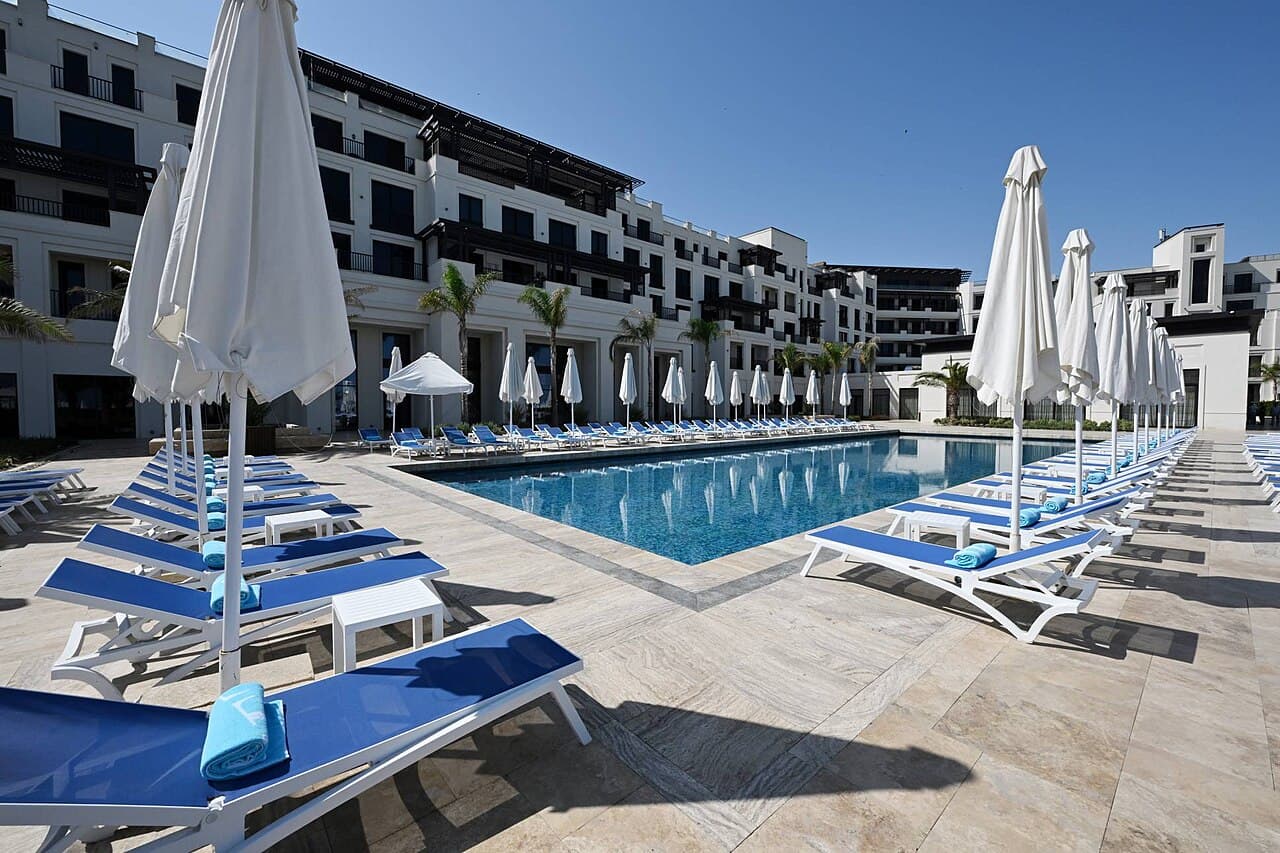
Miami Residence, a residential cluster within the Sea Breeze resort on the Caspian coast near Baku, is described in its own name and marketing as drawing on a "Miami" design language — white, European-minimalist buildings, azure pools, palm-lined courtyards, and a sun-and-water lifestyle aesthetic. It's a useful example of a broader pattern worth examining on its own terms: the way emerging coastal real estate markets often reach for recognizable international design references rather than developing an entirely local architectural vocabulary from scratch.
What "Miami-Style" Signals in Real Estate Marketing
In global real estate branding, "Miami-style" or "Miami-inspired" tends to signal a specific bundle of associations: resort glamour, warm-climate leisure, white minimalist facades, and an indoor-outdoor lifestyle built around pools and waterfront views. It's less a precise architectural school than a shorthand — a way of communicating a feeling and a target lifestyle quickly, to buyers who may never have set foot in South Florida but recognize the visual cues from media, travel, and other developments that have used the same reference point. Whether Miami Residence's actual finished buildings capture that association successfully is something best judged in person or through verified, up-to-date renderings and construction photos, rather than assumed from the name alone.
Why Developers Borrow Recognizable International References
For a coastal development in a market that is still building its international real estate profile, using a familiar aesthetic reference carries a practical advantage: it shortens the distance between an unfamiliar location and a buyer's existing mental picture of what a "resort residence" should look like. Rather than asking a prospective international buyer to imagine an entirely novel design language tied to a place they may not know well, a developer can say "Miami-style" or "Mediterranean-style" and rely on an existing, widely shared set of visual expectations. This is a common strategy across emerging and secondary real estate markets worldwide, not something specific to Baku or Sea Breeze.
Comparisons in Other Emerging Coastal Markets
This pattern of borrowing internationally recognizable design languages shows up repeatedly in coastal markets working to establish themselves on the international investment map. Parts of the Black Sea coast, the Gulf, and various Mediterranean-adjacent developments have all, at different points, marketed projects using references to Miami, the French Riviera, Dubai's skyline, or Mediterranean villa aesthetics, sometimes blended together within a single masterplan. The underlying logic is similar in each case: a recognizable design shorthand can help a still-establishing market compete for attention and capital against more mature, already-branded destinations. Whether the architecture that results feels authentic, derivative, or successfully adapted to local climate and culture varies widely by project and is genuinely a matter of individual taste as much as technical execution.
The Tension Between Borrowed Aesthetics and Local Character
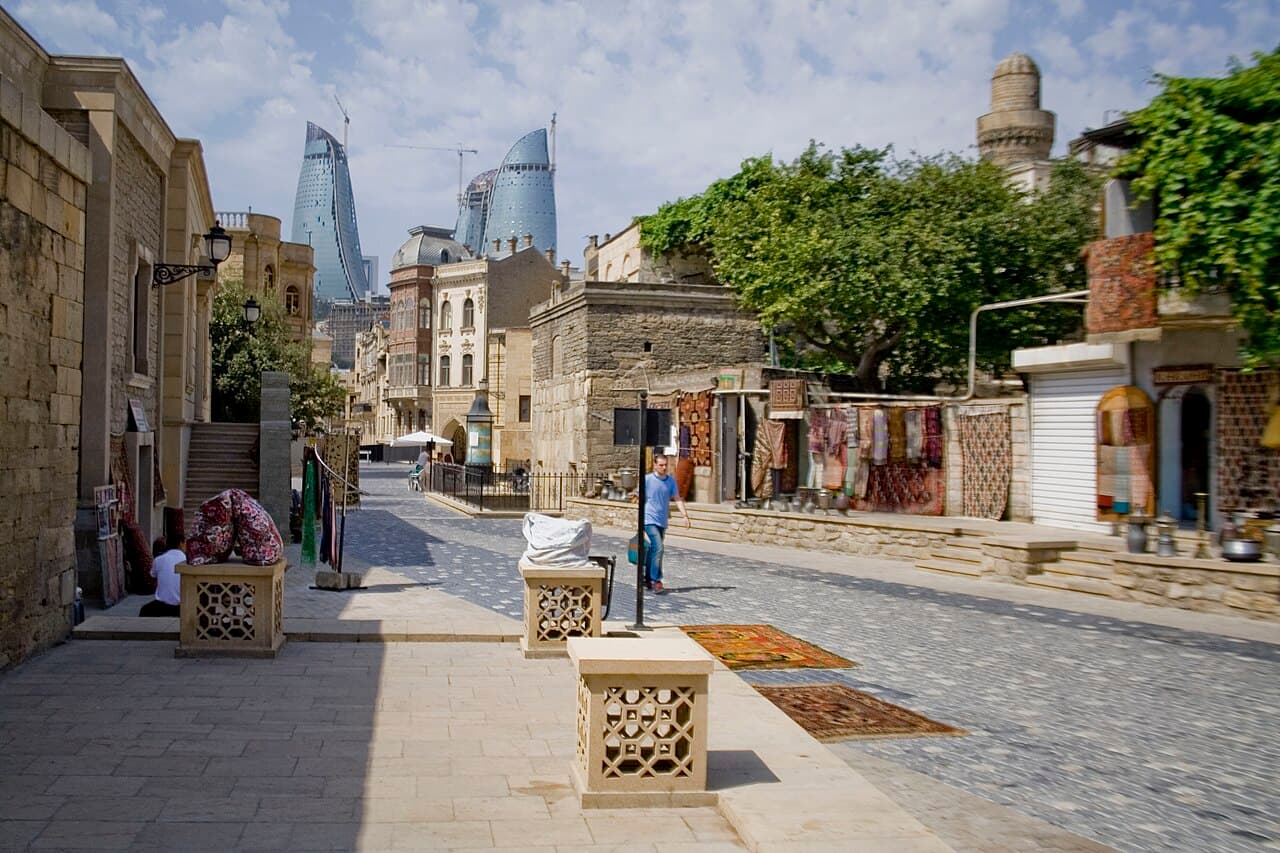
A recurring critique of this kind of design borrowing, in Baku and elsewhere, is that an imported aesthetic can sit awkwardly against a very different local context — climate, building tradition, cultural expectations, or even practical concerns like how well a white-minimalist facade withstands local weather and maintenance conditions over time. At the same time, Baku itself has a track record of blending international architectural styles with local ambition, visible in landmarks like the Flame Towers, which draw on global high-rise design conventions while being explicitly tied to a local symbol (fire, historically associated with Azerbaijan). Whether a "Miami-style" residential cluster achieves a similar sense of place-specific identity, or reads as a more generic international resort aesthetic transplanted onto the Caspian coast, is something reasonable observers can disagree on, and is likely to become clearer once the buildings are complete and can be assessed directly rather than through renderings.
What This Means for a Prospective Buyer or Observer
None of this is meant to suggest the design approach is a problem — recognizable, internationally legible aesthetics are a deliberate and common strategy, not a shortcut taken by accident. But it's worth going in with clear eyes: a "Miami-style" label is a marketing and design reference point, not a guarantee of a particular build quality, materials standard, or long-term maintenance outcome. Those depend on execution, which is separate from the aesthetic concept and worth evaluating independently — through site visits, direct developer questions about materials and finishes, and, where possible, seeing completed phases of the project rather than only concept renderings.
Bottom Line
The Miami-inspired design language at Miami Residence fits a broader, well-established pattern in emerging coastal real estate markets: borrowing a recognizable international aesthetic to communicate a lifestyle concept quickly to a global buyer audience. It's a common and reasonable strategy, seen in coastal developments well beyond Baku, but the label itself says more about marketing intent than about final build quality — which is worth assessing separately and directly.
Related Articles
- The Architecture of Miami Residence in Baku: Five White Towers on the Caspian
- The Design Details Behind Miami Residence: Ceiling Height, Light, and Layout
- The Cipriani–Sea Breeze Partnership: Tower, Hotel, and Residences on the Caspian
- How Baku's Infrastructure Investment Signals Long-Term Property Value
 New developments
Sea Breeze Beach vs a Public Beach in Baku
On the northern coast the water is the same water. What actually differs between a managed resort beach and a public one, where each wins, and what it means for buyers
Read more →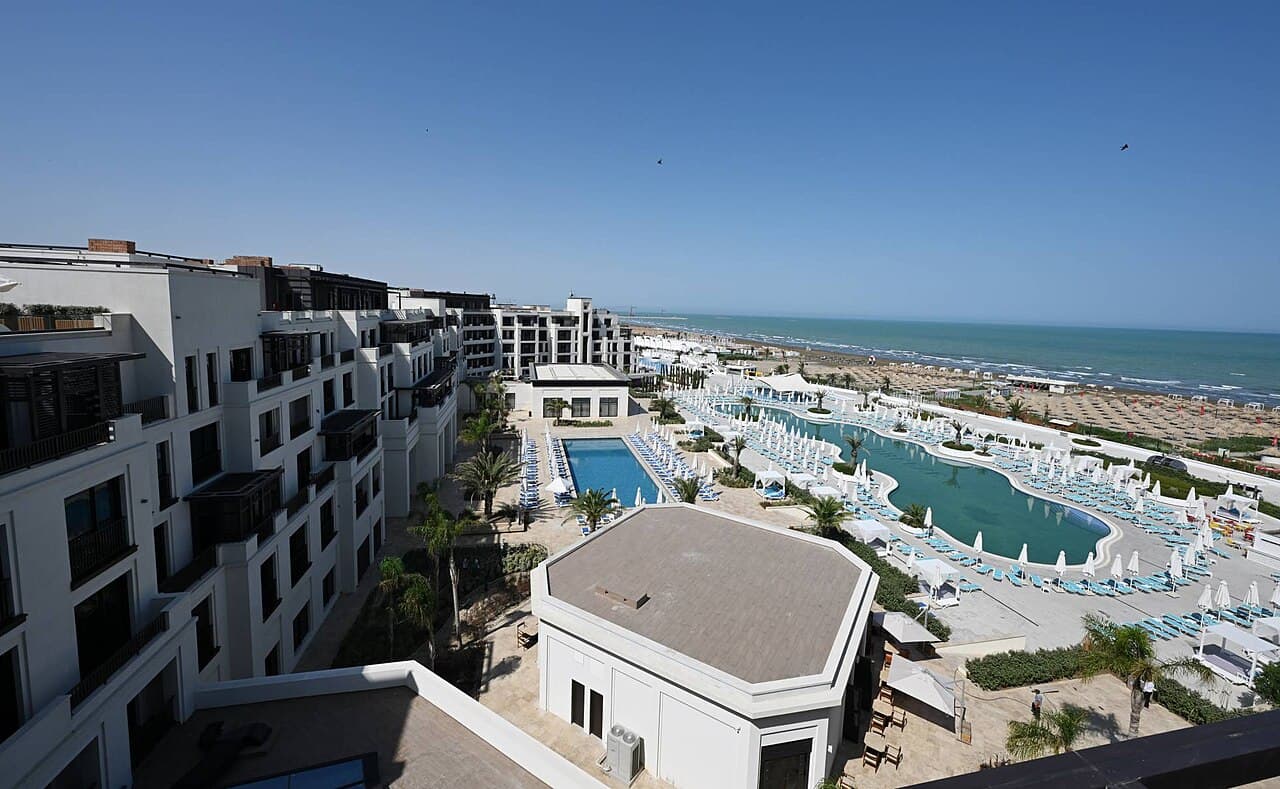 New developments
Who Is Hagag Group? The Israeli Developer Entering Sea Breeze in Baku
A factual look at Hagag Group, the publicly-traded Israeli developer that signed a memorandum of understanding for a project within Sea Breeze in Azerbaijan
Read more → New developments
Hagag Group in Israel vs. Baku: What the Move Into a New, Unconfirmed Deal Actually Means
A factual comparison of Hagag Group's established Israeli track record against its new, non-binding memorandum for two projects at Sea Breeze in Azerbaijan
Read more →