Low Entry Prices: Baku's Competitive Edge for Real Estate Investors
Published on 2026-08-04 · 3 min read

One of the most common arguments in favor of investing in Baku is its relatively low financial entry point - meaning the capital required to purchase a property in the city, compared to other capitals often considered "comparable" in terms of size, geopolitical positioning, or growth potential. For investors interested in exposure to an emerging market without committing a large amount of capital, this is a meaningful consideration.
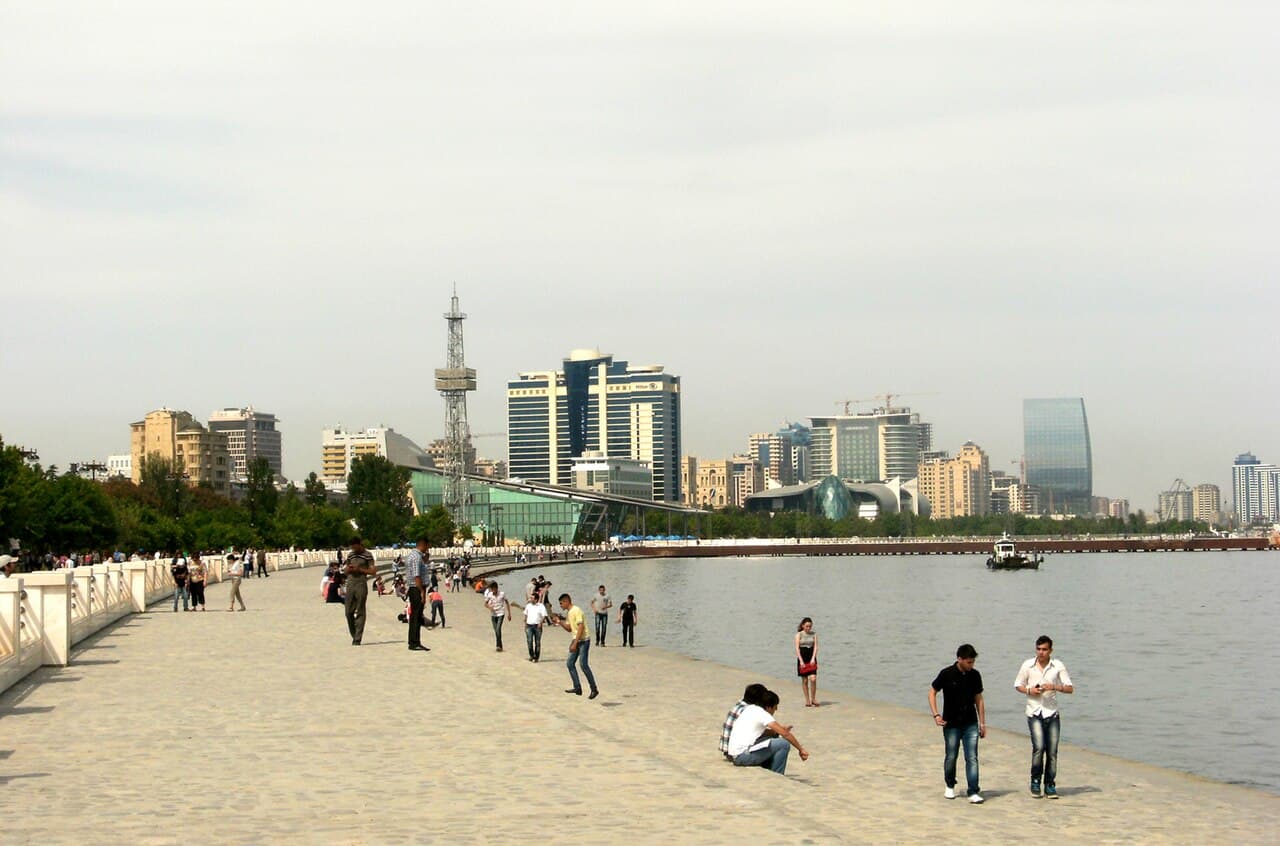
How the Comparison Looks Against Similar Capitals
When comparing an approximate price per square meter in Baku against cities like Tbilisi, Istanbul, or some Eastern European capitals, Baku generally appears to offer a lower entry point for a property of comparable size and build quality. It's worth stressing: this is a general estimate, not a precise, real-time comparison - prices vary by neighborhood, property condition, and local market conditions, so any such comparison should be treated as an indication only, not a final data point before making a decision.
Why a Lower Entry Price Is a Legitimate Investment Consideration
A lower entry price allows an investor to gain exposure to a developing real estate market without concentrating a large sum of capital in a single property. This can, for instance, allow for diversification across several smaller properties, or combining an investment in Baku alongside other holdings in a broader real estate portfolio. For investors just starting out in international investing, this is often a decisive factor - the overall financial risk is lower compared to entering a more expensive market.
What's Behind the Price Gap
The gap in real estate prices between Baku and other capitals stems from several factors: a relatively available land supply, an earlier stage of development in some neighborhoods, and the fact that the city is still less familiar to international investors compared to more established destinations. As the city continues to develop and gain exposure to a broader investor base, this gap may narrow over time - though there's no certainty of that; it's an assumption, not a guaranteed forecast.
Risks Tied to a Low Entry Price
It's important to understand that a low entry price doesn't guarantee a higher return or greater security. Markets with low entry prices sometimes tend to be less liquid, meaning a quick sale of a property may be more challenging. In addition, a relatively low price can also reflect lower demand in a particular area rather than simply an "opportunity" - so it's important to examine the reasons behind the price, not just the number itself, before any investment.
How to Approach the Comparison Wisely
An investor who genuinely wants to understand whether investing in Baku is worthwhile relative to alternatives should look beyond price per square meter alone - and also examine associated costs (taxes, brokerage fees, maintenance costs), the market's liquidity level, and expected rental yield. A comparison focused only on entry price can be misleading if these additional factors aren't taken into account.
Bottom Line
Baku's relatively low entry price compared to similar capitals is a genuine and reasonable argument for investors seeking exposure to an emerging market with less capital. As with any investment consideration, it should be treated as part of a broader picture, not a guarantee of returns - and thorough due diligence should be conducted before any decision.
Related Articles
 Real estate investing
The Israel-Azerbaijan-US Triangle in 2026
An AI memorandum, an American strategic charter and talks on a trilateral format. What is actually new here, what was already in place, and what it means for buyers
Read more →Real estate investingHow Dependent Is Azerbaijan's Economy on Oil, Really?
The non-oil sector reaches 75.8% of GDP in 2026, but that share is rising for two different reasons. The official figures, the IMF's view, and what it means for buyers
Read more → Real estate investing
The Armenia-Azerbaijan Peace Deal: Where It Stands
The agreement was initialed in August 2025 but remains unsigned. What was agreed, what is blocking signature, what the Armenian election changed, and what it means for owners
Read more →